


Best Things to Do in Laos: A Complete Guide
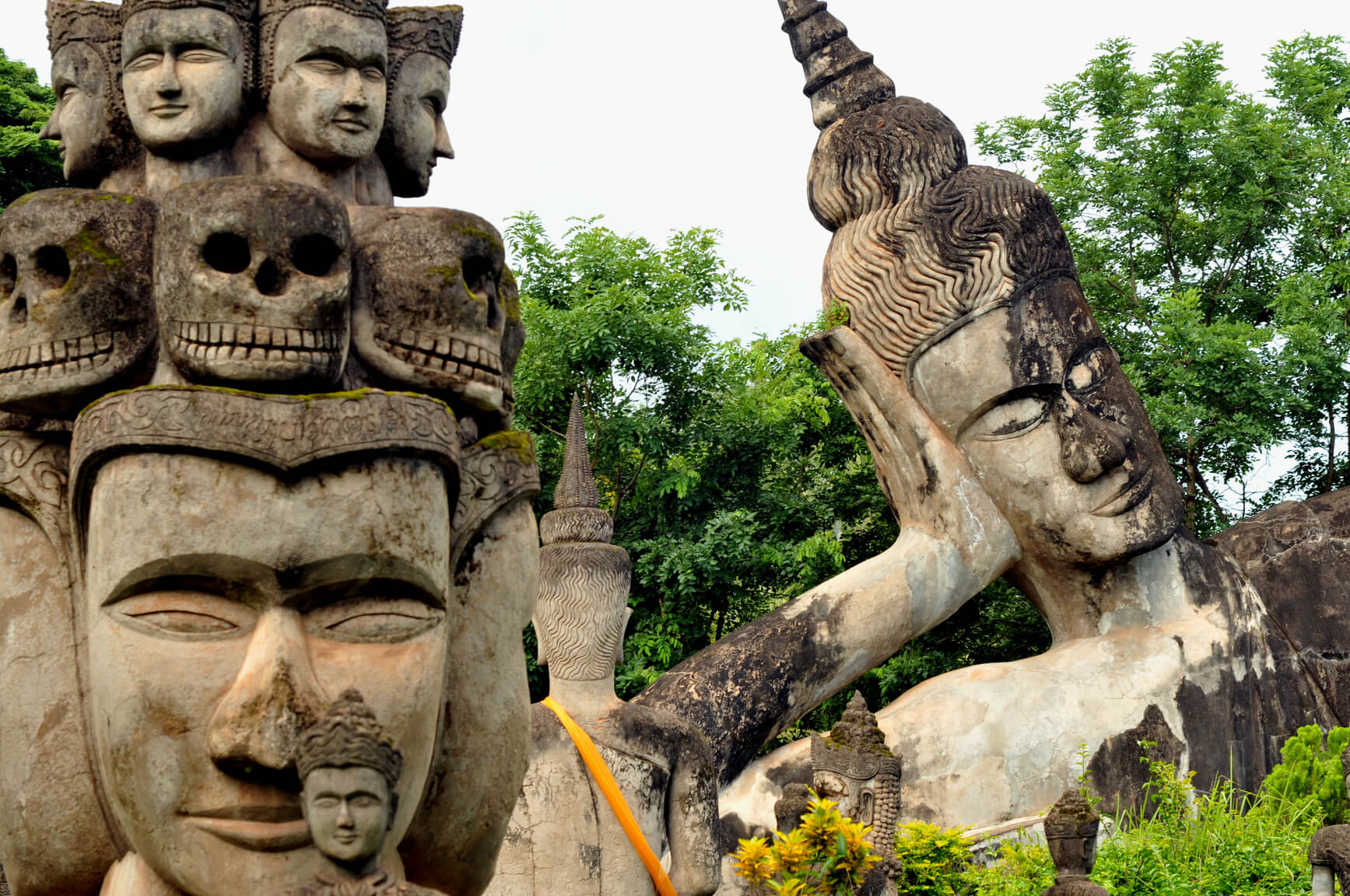
10 Best Things to Do in Laos
Looking for what to do in Laos? This landlocked Southeast Asian nation, nestled between Thailand, Vietnam, Cambodia, Myanmar, and China, is one of the region’s most serene, authentic, and deeply spiritual destinations. In a world that moves at breakneck speed, Laos offers a powerful invitation to slow down. It is a place of profound tranquility, where the morning ritual of saffron-robed monks collecting alms sets the day’s rhythm, where mist clings to forested limestone mountains that rise from emerald rice paddies, and where the mighty Mekong River, the country’s lifeblood, flows with a timeless, unhurried grace. More than just a checklist of sites, travel in Laos is about immersion—into a gentle Buddhist culture, breathtaking natural landscapes, and a pace of life that feels refreshingly human.
From the spiritual and architectural splendor of Luang Prabang and the electric-blue cascades of Kuang Si to the dramatic karst scenery of Vang Vieng, the aromatic coffee plantations of the Bolaven Plateau, and the languid river life of the 4000 Islands, Laos rewards travelers who seek connection, authenticity, and natural beauty. Here are the 10 best things to do in Laos, crafted to help you explore this captivating country thoughtfully and deeply.
1. Explore Luang Prabang’s Temples, Old Town, and Almsgiving Ritual
Luang Prabang, a UNESCO World Heritage city nestled at the confluence of the Mekong and Nam Khan rivers, is the undisputed soul of Laos. This former royal capital is a masterpiece of preserved heritage, where graceful French-colonial villas sit harmoniously beside gilded Buddhist temples (wats). Begin your exploration at the magnificent Wat Xieng Thong, a 16th-century temple considered the apex of Lao monastic architecture, with its sweeping low roofs, intricate mosaic “Tree of Life” wall, and ornate chapels.
Wander the quiet, charming streets of the old town, discovering smaller temples like Wat Mai and browsing the nightly handicraft market under the soft glow of lanterns. The pinnacle of the Luang Prabang experience is observing the sacred Tak Bat (almsgiving) ceremony at dawn. As hundreds of monks file silently through the streets to receive offerings of sticky rice from kneeling devotees, an atmosphere of profound reverence descends upon the city. It is crucial to observe respectfully from a distance, without flash photography or intrusive participation, to honor this ancient Buddhist tradition.
2. Swim in the Turquoise Pools of Kuang Si Waterfalls
Just 29 kilometers south of Luang Prabang lies one of Southeast Asia’s most beautiful natural wonders: the Kuang Si Waterfalls. This multi-tiered cascade tumbles over limestone formations into a series of stunning, milky turquoise pools, each more inviting than the last. A well-maintained trail and wooden walkways lead you through the lush jungle, past smaller cascades and picnic spots, to the base of the main 60-meter drop.
The vibrant blue-green color, caused by mineral-rich limestone sediment, is mesmerizing. Designated swimming areas allow you to take a refreshing, cool dip in the ethereal waters—an unforgettable experience. Before reaching the falls, visit the Kuang Si Bear Rescue Centre, which provides a sanctuary for Asiatic black bears rescued from the illegal wildlife trade. A trip to Kuang Si perfectly combines natural beauty, relaxation, and a dose of ethical wildlife tourism.
3. Cruise the Mighty Mekong River
The Mekong River is the defining geographic and cultural artery of Laos. To truly understand the country’s rhythm, you must spend time on its waters. The classic two-day slow boat journey from Huay Xai on the Thai border to Luang Prabang (or vice versa) is a travel rite of passage. This leisurely voyage reveals a world far removed from roads: riverside villages of wooden stilt houses, children swimming and waving, water buffalo bathing on sandbanks, and fishermen in slender boats.
Shorter excursions are equally rewarding. From Luang Prabang, take a boat upstream to the sacred Pak Ou Caves, two grottoes crammed with thousands of Buddha statues of all sizes left by pilgrims over centuries. A sunset cruise on the Mekong around Luang Prabang, with the sky turning to pastel hues, is a supremely peaceful way to end the day. Life on the Mekong moves slowly, and a river journey forces you to sync with its timeless pace.
4. Explore the Limestone Mountains and Lagoons of Vang Vieng
Once infamous for its hedonistic backpacker scene, Vang Vieng has reinvented itself as Laos’ premier adventure and ecotourism hub. The setting is nothing short of spectacular: a lush river valley surrounded by dramatic, jagged karst mountains that look like something from a painting. The Nam Song River winds through the center, offering opportunities for kayaking, tubing (now a much more relaxed affair), and riverside relaxation.
Inland, a network of trails leads to stunning viewpoints like Phangern Cave Viewpoint and crystal-clear blue lagoons like Blue Lagoon 1, perfect for swimming and rope swinging. Explore caves such as Tham Phu Kham, with its reclining golden Buddha. For a breathtaking panorama, take a hot air balloon ride at sunrise or sunset. Vang Vieng today is about embracing the awe-inspiring landscape through sustainable and active exploration.
5. Discover Temples, Street Food, and Riverside Serenity in Vientiane
Laos’ capital, Vientiane, is arguably one of the world’s most relaxed capital cities. It feels more like a large, leafy town, with wide boulevards, a charming riverfront promenade, and a distinctly laid-back atmosphere. The city’s spiritual heart is the gleaming golden Pha That Luang, the national symbol and most important Buddhist stupa in Laos. Nearby, explore the ancient cloisters of Wat Sisaket, home to thousands of miniature Buddha statues.
Climb the Patuxai Victory Monument, Laos’ Arc de Triomphe-inspired arch, for panoramic views. As evening falls, join locals at the Vientiane Night Market along the Mekong, sampling grilled meats, khao ji pâté (baguettes), and fresh fruit shakes. Vientiane’s charm lies in its unhurried pace, excellent French-influenced cafes, and the gentle buzz of everyday Lao life.
6. Trek, Kayak, and Experience Hill Tribe Culture in Northern Laos
For an immersive cultural and natural experience, head to the remote northern provinces like Luang Namtha and Muang Sing. This region is the heart of community-based trekking in Laos. Multi-day guided treks take you through protected national parks like the Nam Ha NPA, dense rainforests, and terraced rice fields, with nights spent in authentic homestays in villages of the Akha, Hmong, Khmu, and Tai Lue ethnic groups.
These tours are designed to foster respectful cultural exchange and provide direct income to local communities. The experience often combines trekking with river kayaking or bamboo rafting along the Nam Ha River. It’s a chance to learn about traditional ways of life, from weaving and farming to cooking and spiritual beliefs, far from the typical tourist trail, offering a genuine connection to Laos’ diverse ethnic tapestry.
7. Travel Through the Bolaven Plateau’s Coffee Plantations and Waterfalls
In southern Laos, the Bolaven Plateau offers a refreshingly cool escape with a landscape shaped by ancient volcanic activity. This fertile highland is the country’s coffee capital, producing some of Southeast Asia’s finest Arabica and Robusta beans. A motorbike or guided tour through the plateau lets you visit family-run coffee plantations, where you can learn about the entire process from cherry to cup and savor incredibly fresh brews.
The plateau is also famous for its powerful waterfalls, which plunge over the escarpment’s edge into steamy gorges. The twin-tiered Tad Fane, plunging 120 meters, and the beautiful, accessible Tad Yuang are highlights. The area is also dotted with ethnic Laven and other minority villages. Exploring the Bolaven Plateau is a journey through lush, scenic highlands defined by rich aromas, crashing water, and warm hospitality.
8. Explore Vat Phou — Laos’ Ancient Khmer Temple Complex
A testament to Laos’ deep historical layers, the Vat Phou temple complex is a UNESCO World Heritage site and a stunning precursor to the great Angkor empire. Built between the 11th and 13th centuries by the Khmer Empire, it is a masterpiece of symbolic architecture, designed to align with the sacred peak of Lingaparvata Mountain. A long ceremonial causeway leads past barays (reservoirs) and up a series of terraces to the main sanctuary, which offers breathtaking views across the Mekong plain to the river.
The atmosphere is one of serene decay and spiritual power, with intricately carved lintels, crumbling galleries, and ancient shrines being slowly reclaimed by jungle roots. Far less crowded than its Cambodian counterparts, Vat Phou offers a peaceful and awe-inspiring journey into the region’s pre-Lao history, showcasing the sophistication of Khmer engineering and Hindu cosmology.
9. Discover Don Det, Don Khon, and the 4000 Islands (Si Phan Don)
In the far south where the Mekong reaches its widest point, it fragments into a labyrinth of islands, islets, and waterways known as Si Phan Don (4000 Islands). This is the epicenter of relaxation in Laos. Life on islands like Don Det and Don Khon revolves around bicycles, hammocks, and the slow flow of the river. Spend your days cycling along palm-fringed paths past rice fields and waterfalls like Li Phi (Tat Somphamit) and Khone Phapheng, the largest waterfall by volume in Southeast Asia.
Take a boat trip in hopes of spotting the elusive Irrawaddy dolphins near the Cambodian border. As the sun sets, find a riverside bungalow or restaurant and watch the sky erupt in color. Si Phan Don embodies the ultimate Lao slow-travel fantasy, a place where doing nothing is not only acceptable but the whole point.
10. Experience Authentic Lao Cuisine
To travel in Laos is to embark on a culinary adventure. Lao food is fresh, vibrant, and packed with herbs, featuring bold flavors of lemongrass, galangal, chili, and fermented fish sauce (pa daek). The national staple is sticky rice (khao niao), eaten with the hands and used to scoop up other dishes. Must-try classics include laap (a minced meat “salad” bursting with herbs and spice), tam mak hoong
Explore bustling morning markets, take a hands-on cooking class in Luang Prabang or Vientiane, and don’t be afraid to pull up a plastic stool at a streetside stall. From the French-influenced baguettes to the unique riverweed snacks (kaipen) of the south, Lao cuisine is an integral and delicious pathway to understanding the country’s culture and agricultural bounty.
Check monthly weather averages for
Latest Secret Flying deals to Laos
London, UK to Vientiane, Laos for only £450 roundtrip
Cheap flights from London, UK to Vientiane, Laos for only £450 roundtrip with Hainan Airlines.
View DealSan Francisco to Laos for only $385 roundtrip
Cheap flights from San Francisco to Laos for only $385 roundtrip.
View DealLos Angeles to Laos for only $336 roundtrip
Cheap flights from Los Angeles to Laos for only $336 roundtrip.
View Deal [adblockingdetector id="638efa67113bf"]