


Las Vegas Food Guide
Food in Las Vegas: What to Eat & Drink
Las Vegas’s culinary landscape is an extravagant showcase of global gastronomy, celebrity chef ambition, and round-the-clock indulgence, making it one of the world’s most ambitious and unconventional food destinations. As America’s entertainment capital and the self-styled “City of Second Chances,” Las Vegas has developed a food culture that embraces excess while relentlessly pursuing excellence. Shaped by its desert oasis setting, mob-era legacy, and role as a playground for high rollers and everyday visitors alike, the city’s cuisine reflects its evolution from railroad stop to gambling mecca to international dining powerhouse. The result is a food scene that is theatrical, indulgent, and constantly reinventing itself.
Prime beef, premium seafood, luxury ingredients, and boundless culinary creativity form the backbone of Las Vegas dining. Experiences are defined by spectacle, celebrity, and the city’s defining feature: true 24-hour availability. Located in the Mojave Desert, Las Vegas produces virtually nothing locally, relying instead on some of the most sophisticated supply chains in the world to fly in top-quality ingredients daily. From $1.99 shrimp cocktails at historic casinos to $500 tasting menus at world-renowned restaurants, Las Vegas offers a culinary journey unlike anywhere else in America.
Local Specialities of Las Vegas
Las Vegas is synonymous with the all-you-can-eat buffet, a concept elevated from budget-friendly abundance to culinary spectacle. Iconic buffets such as Bacchanal at Caesars Palace showcase everything from prime rib and king crab to sushi and patisserie. The shrimp cocktail, traditionally served in a sundae glass with spicy cocktail sauce, is a classic Vegas staple dating back to the 1950s, most famously at the Golden Gate Casino.
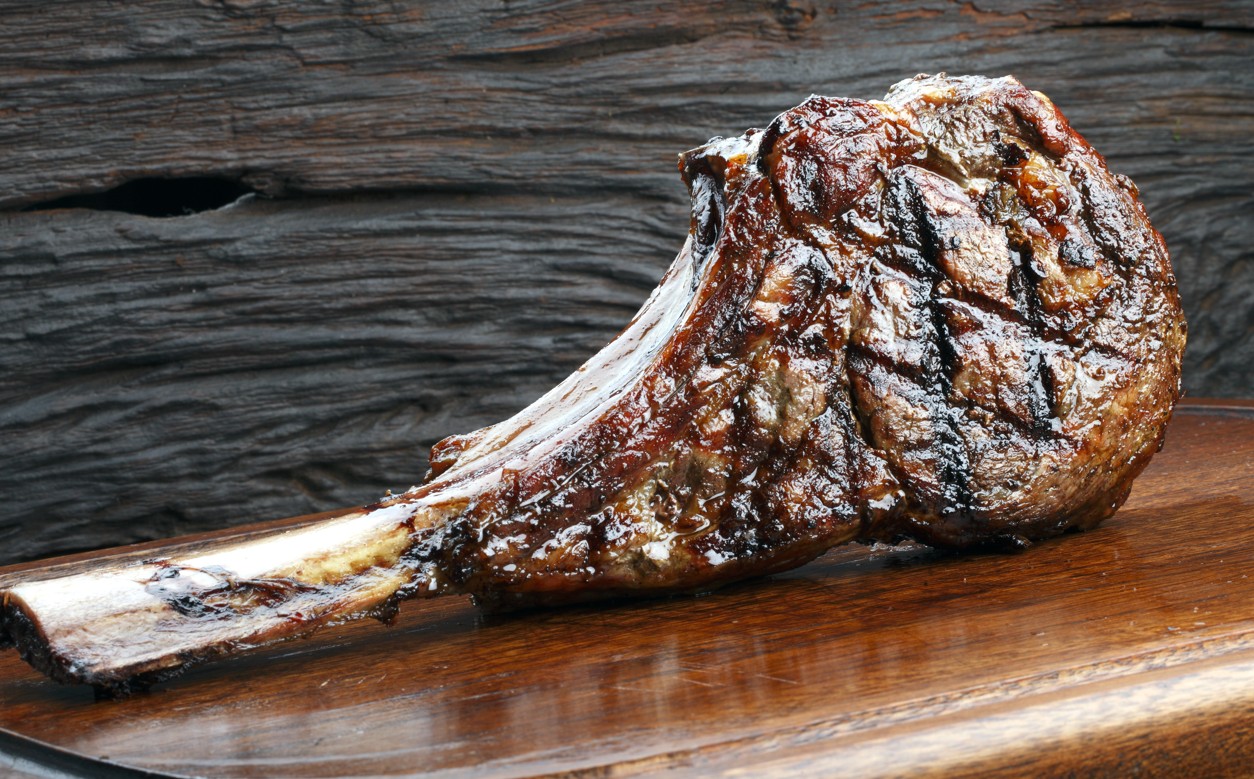
Prime rib carved tableside remains a hallmark of old-school steakhouses. Steak and eggs—sometimes called the “Tiffany’s breakfast”—embodies the city’s 24-hour lifestyle. Basque cuisine, introduced by shepherds who settled in Nevada, survives in downtown Basque restaurants serving generous family-style meals. Loss-leader steak dinners, once ubiquitous, still appear at select legacy casinos. Menus also cater to novelty seekers, with exotic meats such as rattlesnake or kangaroo occasionally featured. The infamous 99-cent margarita, while rarely memorable in quality, remains part of Fremont Street lore.
Everyday Las Vegas & Nevada Food
Breakfast in Las Vegas may mean a lavish buffet, a greasy spoon diner at dawn, or room service after a long night out. Lunch ranges from quick casino-floor meals and food courts to polished business lunches during conventions. Dinner spans the full spectrum—from fast food to some of the most exclusive restaurants in the world—often followed by late-night snacks or second dinners.
Beef, especially prime cuts destined for steakhouses, is foundational. Seafood arrives daily from coastal markets, appearing across price points. Global sourcing allows for near-total culinary authenticity regardless of cuisine. Buffet culture emphasizes both variety and volume, reinforcing Las Vegas’s ethos of abundance. The desert climate means most dining takes place indoors, within carefully controlled environments designed for comfort and spectacle. Meal times are fluid: breakfast is served at midnight, dinner at sunrise, and nothing ever truly closes.
Cultural Fusion: Railroad Roots, Mob-Era Excess & Global Ambition
Las Vegas cuisine reflects the city’s layered history, beginning as a railroad and mining town before entering its mob-funded golden age. Early dining was simple and utilitarian. From the 1940s through the 1980s, mob influence ushered in lavish buffets and 24-hour dining to keep gamblers at the tables.
The corporate takeover of the 1990s introduced themed restaurants and national chains. In the 21st century, the arrival of celebrity chefs transformed Las Vegas into a global dining destination. Today, it is possible to experience a nostalgic buffet dish, a corporate-era classic, and a world-class tasting menu within the same resort. Las Vegas food culture is defined by reinvention—constantly evolving while preserving its most iconic traditions.
Craft Beverage Scene and Local Libations
Las Vegas’s beverage culture mirrors its gambling roots, nightlife intensity, and increasing sophistication. Complimentary drinks for gamblers remain a defining feature, though quality often correlates directly with betting levels.
Craft cocktail programs have flourished, with award-winning bars hidden inside casinos, behind unmarked doors, or overlooking the Strip. Wine lists at fine-dining restaurants are among the most extensive—and expensive—in the United States. Beer flows freely at sportsbooks and casual venues, while frozen drinks in oversized novelty cups dominate pedestrian areas. What sets Las Vegas apart is its tiered drinking culture: high-limit players receive premium spirits on the house, while casual visitors sip frozen daiquiris under neon lights.
International Dining and Contemporary Scene
Las Vegas lacks a single defining local cuisine, but it compensates by hosting one of the most concentrated international dining scenes in the world. Celebrity chef outposts span nearly every major global cuisine. French dining is particularly strong, with multiple Michelin-recognized restaurants.
Japanese cuisine—from sushi counters to robata grills—is world-class. Italian dining ranges from nostalgic red-sauce establishments to refined modern interpretations. Chinese, Thai, Vietnamese, and other Asian cuisines are widely and authentically represented. Despite its diversity, Las Vegas dining is unified by extremes: luxury and affordability exist side by side. What distinguishes the city is its absence of limits—chefs operate with vast budgets, continuous service, and an audience eager for spectacle.
Food Customs and Practical Tips
Dining in Las Vegas ranges from casual food courts to three-Michelin-star experiences, with service that is generally professional and polished, though often transactional. Tipping is expected—20% or more for good service, with higher gratuities potentially improving service in venues you frequent.
When visiting buffets, arrive hungry and pace yourself—many impose time limits. Reservations for popular restaurants should be made weeks or even months in advance. Off-Strip dining often delivers better value and a more local feel. Remember that casino layouts are intentionally disorienting; restaurants are rarely near entrances.
Explore different areas: The Strip for spectacle and celebrity dining, Downtown and Fremont Street for classic Vegas value, Chinatown for outstanding Asian cuisine, and Summerlin for local favorites. Try both iconic institutions and lesser-known gems. Food tours can help maximize time and budget. Expect premium pricing, but know that excellent value still exists with planning. Above all, embrace Las Vegas’s culinary spirit: food here is entertainment, indulgence, and escape—another part of the show in a city where excess is the point.
This guide covers what to eat in Las Vegas, from legendary buffets and shrimp cocktails to celebrity chef experiences and late-night dining. Use it to plan your culinary exploration of Sin City, where every meal is part of the spectacle and dining operates on a scale found nowhere else.
Check monthly weather averages for
Latest Secret Flying deals to Las Vegas
Non-stop from Portland, Oregon to Las Vegas (& vice versa) for only $129 roundtrip
Non-stop flights from Portland, Oregon to Las Vegas for only $129 roundtrip with Alaska Airlines. Also works in reverse.
View DealLAST MINUTE: Non-stop from Mexico City, Mexico to Las Vegas, USA for only $269 USD roundtrip
Non-stop, last minute flights from Mexico City, Mexico to Las Vegas, USA for only $269 USD roundtrip.
View DealNon-stop from Washington DC to Las Vegas (& vice versa) for only $227 roundtrip
Non-stop flights from Washington DC to Las Vegas for only $227 roundtrip with United Airlines. Also works in reverse.
View Deal [adblockingdetector id="638efa67113bf"]