


Liberia, Costa Rica Food Guide
Food in Liberia, Costa Rica: What to Eat & Drink
Liberia’s culinary landscape is a sun-soaked expression of Guanacastecan cowboy culture, tropical abundance, and Costa Rican comfort food, making it one of Central America’s most authentic regional food destinations. As the capital of Guanacaste province and the primary gateway to Costa Rica’s Pacific beaches, Liberia has developed a food culture rooted in “sabanero” (cowboy) traditions and agricultural simplicity, shaped by its dry tropical forest climate, cattle-ranching heritage, and role as the “White City” of northwestern Costa Rica. The city’s cuisine reflects its history as a ranching and farming center, its proximity to Nicaragua and the Pacific coast, and its modern identity as a transit hub for beach tourism, resulting in dishes that are hearty, unfussy, and deeply traditional.
Core ingredients such as corn, rice, beans, plantains, and beef form the foundation of Liberian cuisine. Meals emphasize filling casado plates, fresh tropical produce, and the distinctly Guanacastecan flavors that set this region apart from Costa Rica’s Central Valley. Liberia’s location in the country’s driest region creates a unique inland-coastal fusion—combining cattle-ranch staples with tropical fruits and seafood from nearby beaches. From family-run sodas in the city center to modern restaurants serving travelers en route to the coast, Liberia offers a culinary journey through Costa Rica’s most traditional and sun-baked kitchen.
Local Specialities of Liberia
Liberia is best known for gallo pinto, Costa Rica’s national dish of rice and beans cooked together with onion, cilantro, and seasoning, typically served at breakfast with eggs, tortillas, and natilla (Costa Rican sour cream). Casado, the country’s classic lunch plate, is especially generous in Guanacaste, usually featuring rice, beans, salad, fried plantains, and a protein such as grilled beef, chicken, or fish.
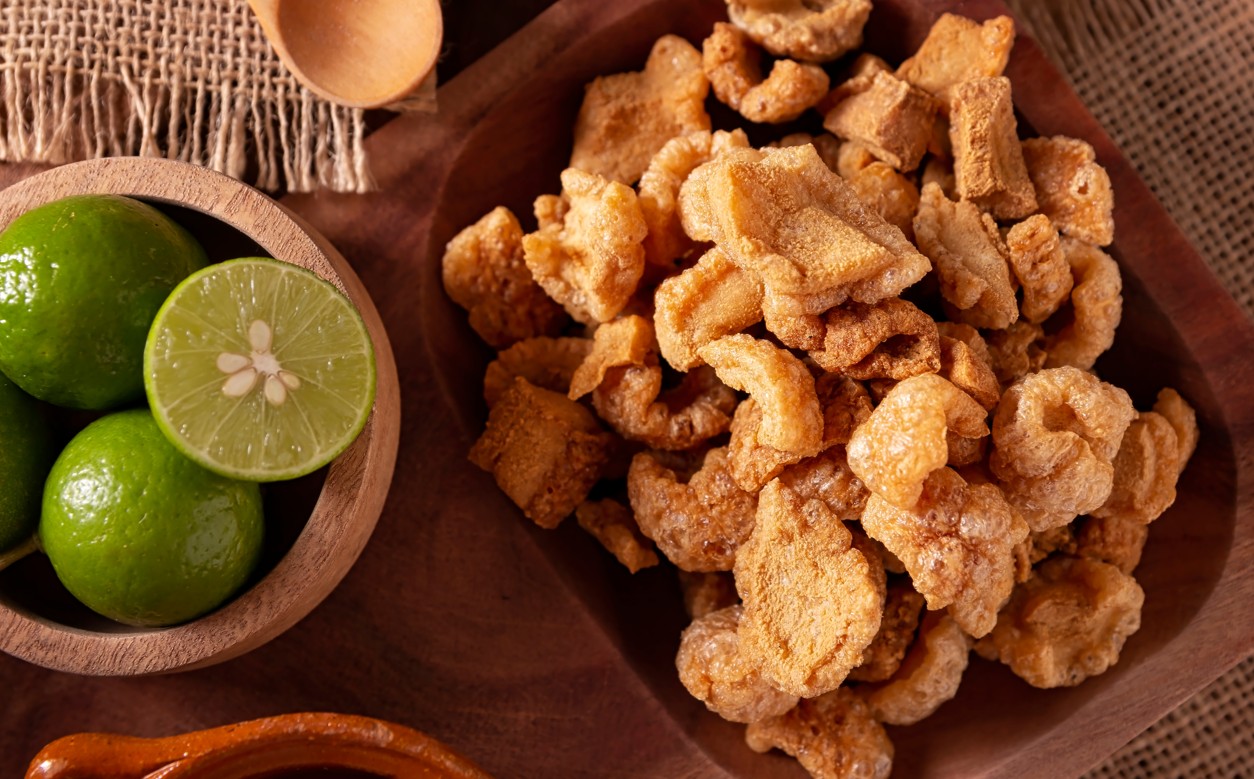
Chicharrones—crispy fried pork chunks or rinds—are a popular snack reflecting the region’s pork traditions. Vigorón, a dish of boiled yuca topped with chicharrones and cabbage salad, shows strong Nicaraguan influence. Arroz con pollo, rice cooked with chicken and vegetables, is reserved for celebrations and family gatherings. Olla de carne, a slow-simmered beef and vegetable soup, is a comforting staple. Tamales, made from corn dough filled with meat and vegetables and wrapped in banana leaves, are most common during Christmas but available year-round. Tres leches cake, soaked in three types of milk, remains Costa Rica’s most beloved dessert.
Everyday Liberia & Costa Rican Food
Breakfast in Liberia almost always features gallo pinto accompanied by eggs, tortillas, and strong coffee. Lunch is the main meal of the day and is typically eaten at a soda, where casados and daily specials dominate. Dinner is lighter, often a repeat of lunchtime dishes or simpler plates.
Rice and beans appear at virtually every meal, frequently combined as gallo pinto. Corn is central to the regional diet, used in tortillas, tamales, and traditional drinks such as pinolillo. Plantains—both sweet (maduros) and green (patacones)—are common side dishes. Beef from local ranches is especially prized in Guanacaste. Tropical fruits like mango, pineapple, papaya, and watermelon are consumed fresh or blended into juices. Soda culture defines everyday dining, with family-run eateries serving affordable, home-style food. Liberia’s dry tropical climate encourages refreshing accompaniments such as salads and fresh juices to counter the heat.
Cultural Fusion: Indigenous Roots, Spanish Influence & Guanacastecan Identity
Liberia’s cuisine is a layered expression of indigenous Chorotega foundations, Spanish colonial influence, and the distinct Guanacastecan cowboy identity. Chorotega foodways emphasized corn, beans, and squash long before Spanish arrival. Colonial rule introduced rice, beef, pork, dairy, and wheat.
The rise of cattle ranching in Guanacaste shaped a meat-forward culinary tradition unique within Costa Rica, while proximity to Nicaragua introduced additional regional influences. The result is a Liberian cuisine that blends indigenous corn-based dishes, Spanish-influenced rice and beans, and ranching-driven beef preparations. Liberia’s food culture embodies “pura vida” simplicity—fresh ingredients prepared without excess, focused on nourishment and satisfaction rather than complexity.
Craft Beverage Scene and Local Libations
Liberia’s beverage culture reflects its tropical climate, coffee heritage, and straightforward pleasures. Costa Rican coffee—widely regarded as among the best in Central America—is consumed throughout the day, even in the simplest sodas.
Fresh fruit juices (refrescos naturales) made from guanábana, cas, and maracuyá (passion fruit) are essential in the heat. Imperial, Costa Rica’s national beer, is the most common alcoholic drink. Guaro (Cacique), a sugarcane spirit, is the local liquor, often mixed with juice or soda. Agua dulce, a warm sugarcane drink, remains a traditional rural favorite. What distinguishes Liberia is its refresco culture—fresh juices blended to order at nearly every eatery. A small but growing craft beer scene is also emerging, particularly near tourist areas.
International Dining and Contemporary Scene
While traditional Costa Rican food dominates, Liberia offers international dining options reflecting its role as a tourist gateway. American chain restaurants line major highways toward the beaches.
Italian and European restaurants cater to international visitors, while Nicaraguan eateries showcase authentic neighboring cuisine. Despite these influences, Liberia’s dining soul remains firmly rooted in its sodas and traditional kitchens—even many hotels prioritize local food. The city’s food scene balances tradition with accessibility, adapting gently for tourism without losing authenticity. What distinguishes Liberia dining is its resistance to over-commercialization—this is where Guanacastecan cuisine remains largely unchanged.
Food Customs and Practical Tips
Dining in Liberia ranges from humble sodas to polished tourist restaurants, with service that is relaxed and friendly. Tipping is appreciated but not mandatory—10% is standard. The phrase “pura vida” is more than a greeting; it reflects the local philosophy of ease and enjoyment.
At sodas, meals are often served as a fixed-price plato del día. Try gallo pinto at breakfast for the most authentic experience. Visit the central market for fresh produce, snacks, and tropical fruit. Do not hesitate to try unfamiliar fruits—vendors often offer samples.
Explore different areas: the city center for traditional sodas, highway corridors for chain and tourist dining, and nearby beaches for seafood. Consider visiting a local cattle ranch or farm to understand Guanacaste’s agricultural roots. Be prepared for Liberia’s intense heat—cold drinks are essential. Liberia offers excellent culinary value, especially at sodas. Above all, embrace Liberia’s culinary spirit: food here is about simplicity, freshness, and living the pura vida in Costa Rica’s sun-drenched cowboy heartland.
This guide covers what to eat in Liberia, Costa Rica, from gallo pinto and casado to chicharrones, vigorón, and regional specialties. Use it to plan your culinary exploration of Guanacaste’s capital, where every meal reflects tradition, warmth, and Costa Rican hospitality.
Check monthly weather averages for
Latest Secret Flying deals to Liberia, Costa Rica
Orlando, Florida to Liberia, Costa Rica for only $277 roundtrip
Cheap flights from Orlando, Florida to Liberia, Costa Rica for only $277 roundtrip with Delta Air Lines.
View DealNew Orleans to Liberia, Costa Rica for only $297 roundtrip
Cheap flights from New Orleans to Liberia, Costa Rica for only $297 roundtrip with United Airlines.
View DealBaltimore to Liberia, Costa Rica for only $257 roundtrip
Cheap flights from Baltimore to Liberia, Costa Rica for only $257 roundtrip with Delta Air Lines.
View Deal [adblockingdetector id="638efa67113bf"]