


Lisbon Food Guide
Food in Lisbon: What to Eat & Drink
Lisbon’s culinary landscape is a sun-drenched celebration of Portuguese maritime heritage, rustic comfort cooking, and quiet contemporary innovation, making it one of Europe’s most rewarding and approachable food destinations. As Portugal’s coastal capital and one of the continent’s oldest cities, Lisbon has developed a distinctive food culture that balances Atlantic abundance with Mediterranean warmth, shaped by its seven hills, Age of Discoveries legacy, and renewed status as one of Europe’s most vibrant and affordable capitals. The city’s cuisine reflects its past as a global trading port, its position at the western edge of Europe, its centuries of exploration and empire, and its modern rebirth as a creative culinary hub—producing food that is seafood-centric, soulful, and infused with both saudade and joy.
Core ingredients such as codfish (bacalhau), sardines, pork, olive oil, and bread form the backbone of Lisbon’s cuisine. Dishes favor simple preparations, preservation techniques, and subtle seasoning, often enhanced by spices introduced through Portugal’s former colonies. Lisbon’s location where the Tagus River meets the Atlantic Ocean defines its food identity—access to some of Europe’s richest fishing grounds has created a deep-rooted seafood obsession. From humble tascas in Alfama to refined dining rooms in Chiado and Príncipe Real, Lisbon offers a culinary journey through Portugal’s most historic and diverse kitchen.
Local Specialities of Lisbon
Lisbon is world-famous for pastéis de nata—custard tarts with crisp, flaky pastry and caramelized tops, originally created by monks and now perfected at legendary institutions such as Pastéis de Belém. Bacalhau à brás, shredded salt cod sautéed with onions, thin potatoes, and eggs, is one of the many iconic expressions of Portugal’s devotion to codfish.
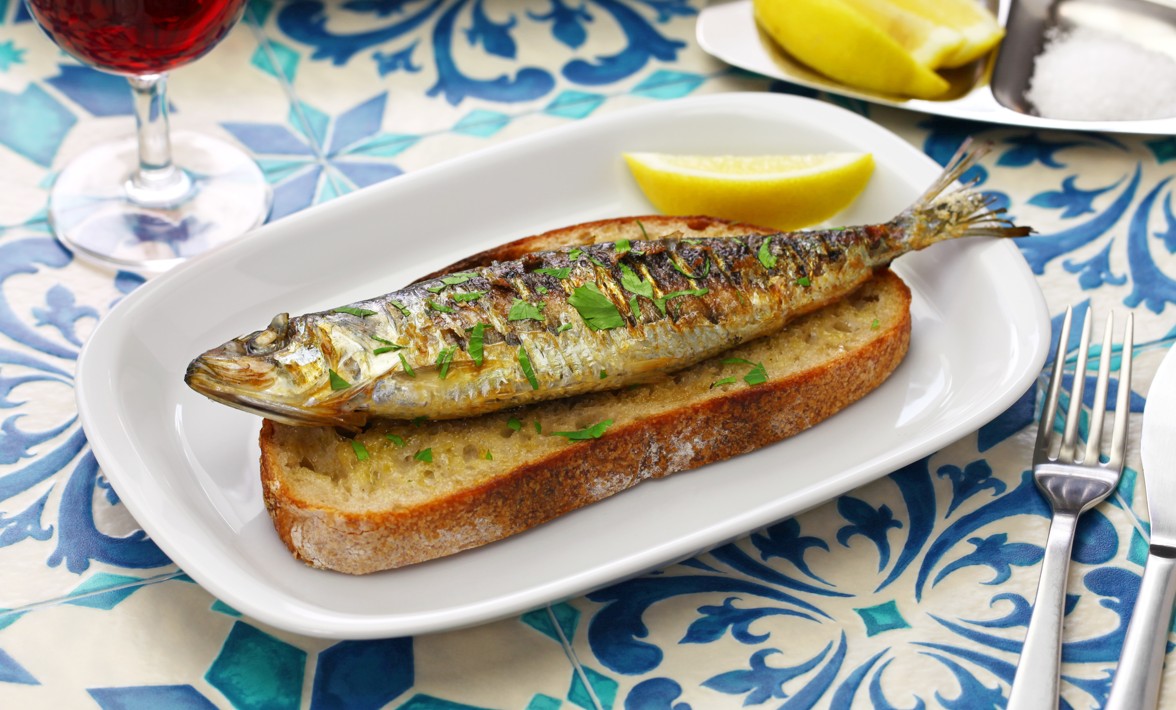
Sardinhas assadas, grilled sardines served simply with coarse salt and bread, dominate Lisbon’s summer festivals and represent the city’s most iconic street food. Bifana, a marinated pork sandwich served in a crusty roll, is Lisbon’s everyday fast food. Caldo verde, a comforting soup of potato, kale, and chorizo, is Portugal’s national dish. Arroz de marisco, a rich, soupy seafood rice, showcases the Atlantic bounty. Prego, a garlic steak sandwich, is another popular quick meal, while travesseiros de Sintra—almond-filled pastries from nearby Sintra—remain a favorite sweet excursion.
Everyday Lisbon & Portuguese Food
Breakfast in Lisbon is typically light and quick, usually a coffee paired with a pastry such as a pastel de nata or croissant. Lunch is the main meal of the day and is often enjoyed at local tascas offering a prato do dia (dish of the day). Dinner is generally later and lighter, frequently beginning after 8 PM, with meals built around shared dishes or simple plates.
Bread accompanies nearly every meal and is used to absorb sauces and olive oil. Codfish appears in countless preparations, reflecting Portugal’s long preservation traditions. Sardines and other small fish are grilled whole and eaten simply. Pork features prominently as cured meats (presunto, chouriço) and in sandwiches. Rice and potatoes are the primary starches, while olive oil and garlic form the aromatic foundation of many dishes. Lisbon’s tasca culture—small, family-run taverns serving home-style food—is central to social life. The city’s mild climate encourages outdoor dining for much of the year, particularly during seafood-heavy summer months.
Cultural Fusion: Moorish Foundations, Age of Discoveries & Global Exchange
Lisbon’s cuisine is a layered expression of its Roman and Moorish foundations, the global exchange of the Age of Discoveries, and modern European influences. Roman occupation introduced olives, grapes, and wheat. Moorish rule brought rice, citrus, almonds, sugar, and spices.
Portugal’s maritime empire (15th–17th centuries) introduced chili peppers, tomatoes, potatoes, and new spices from Africa, Asia, and the Americas. The result is a distinctly Lisbon table where Moorish-inspired sweets, African and Brazilian flavors, and purely Portuguese techniques coexist. Lisbon’s food culture embodies saudade—a quiet longing for the past—expressed through comforting, traditional dishes rooted in memory and place.
Craft Beverage Scene and Local Libations
Lisbon’s beverage culture reflects its maritime history, Mediterranean climate, and growing culinary confidence. Portuguese wine is excellent and affordable, with Vinho Verde offering crisp freshness and Alentejo reds providing depth and richness.
Ginjinha, a sour cherry liqueur often served in tiny glasses or edible chocolate cups, is Lisbon’s signature shot. Portuguese beer, particularly Sagres and Super Bock, is widely enjoyed. Coffee culture is deeply ingrained—espresso (bica) is consumed throughout the day. Port wine, while originating in northern Portugal, is readily available and appreciated. What distinguishes Lisbon is its ginjinha culture—small, standing-room bars dedicated solely to this liqueur, especially around Rossio and Alfama. Wine bars (enotecas) are increasingly popular, and a small but growing craft beer scene is emerging.
International Dining and Contemporary Scene
While Portuguese cuisine remains dominant, Lisbon’s international dining scene reflects its renewed cosmopolitanism. Brazilian restaurants are particularly authentic due to deep historical and cultural ties.
Restaurants serving Angolan, Mozambican, and Cape Verdean cuisine highlight flavors from former Portuguese colonies. Asian dining—especially Chinese and Indian—is well established. Contemporary Portuguese restaurants reinterpret traditional dishes with modern techniques, particularly in Príncipe Real and Chiado. Despite international influences, Lisbon’s culinary soul remains firmly rooted in its tascas and neighborhood restaurants—even luxury hotels prioritize Portuguese cooking. What distinguishes Lisbon dining is its authenticity and value—high-quality food served without pretension, often at prices far lower than in comparable European capitals.
Food Customs and Practical Tips
Dining in Lisbon ranges from standing at bar counters to relaxed multi-course meals, with service generally friendly if occasionally direct. Tipping is not obligatory but appreciated—rounding up or leaving 5–10% is generous. Bread, olives, and other items brought to the table (couvert) are optional and usually charged if consumed.
Grilled sardines are best enjoyed in summer (June–August) and traditionally eaten with your hands. Pastéis de nata are most authentic in the morning with coffee. The Time Out Market offers a curated overview of Lisbon’s food scene, while traditional markets provide insight into everyday ingredients.
Explore different neighborhoods: Alfama for fado houses and classic tascas, Bairro Alto for nightlife and late dining, Belém for pastries and history, Chiado for refined restaurants, and LX Factory for creative dining spaces. Try both famous institutions and places packed with locals. Consider a food tour to sample petiscos (Portuguese small plates) and learn about Lisbon’s culinary history. Be prepared for Lisbon’s steep hills—comfortable shoes are essential. Lisbon offers outstanding culinary value, pairing quality and atmosphere at accessible prices. Above all, embrace Lisbon’s culinary spirit: food here is about simplicity, conviviality, and honoring Portugal’s maritime past in a city where every meal carries history, light, and warmth.
This guide covers what to eat in Lisbon, from pastéis de nata and bacalhau to sardinhas, bifana, and classic Portuguese dishes. Use it to plan your culinary exploration of Portugal’s sun-washed capital, where Atlantic flavors and Iberian tradition meet at every table.
 [adblockingdetector id="638efa67113bf"]