


London Food Guide
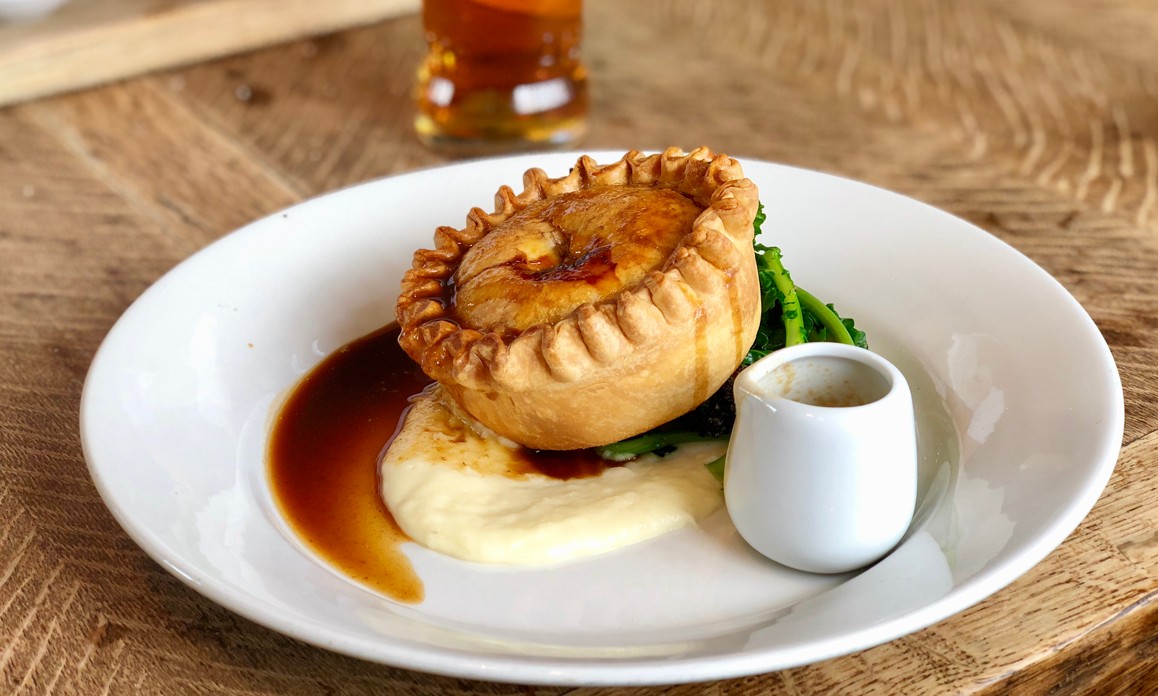
Food in London: What to Eat & Drink
London’s culinary landscape is a vast and ever-evolving global fusion of British tradition, imperial legacy, and contemporary innovation, making it one of the world’s most diverse and influential food capitals. As a city that has functioned as a global crossroads for centuries, London has developed a distinctive food culture that balances historic pub dining and comfort classics with cutting-edge gastronomy, shaped by its Thames-side setting, imperial past, and status as one of the planet’s most international cities. The city’s cuisine reflects its transformation from Roman settlement to medieval capital, imperial nerve center, and modern multicultural metropolis—producing food that ranges from deeply familiar to relentlessly experimental.
Traditional British cooking rests on ingredients such as beef, potatoes, root vegetables, dairy, and wheat, but London’s true culinary identity lies in its openness. Ideas, techniques, and flavors arrive daily from every corner of the world, creating a food scene unmatched in scale and variety. From centuries-old pie and mash shops in the East End to three-Michelin-starred dining rooms in Mayfair, London offers a culinary journey through Britain’s most ambitious, layered, and globally connected kitchen.
Local Specialities of London
London is famous for pie and mash—shortcrust meat pies served with mashed potatoes and parsley liquor, a working-class tradition rooted in Victorian London. Fish and chips, battered cod or haddock with chunky fries and malt vinegar, remains Britain’s most iconic takeaway and a national comfort food.
The Sunday roast is a cherished weekly ritual, featuring roasted meat (beef, chicken, lamb, or pork) served with roast potatoes, Yorkshire pudding, vegetables, and gravy. The full English breakfast—eggs, bacon, sausages, beans, mushrooms, tomatoes, and toast—is a hearty classic, particularly popular on weekends. Afternoon tea, a refined tradition of finger sandwiches, scones with clotted cream and jam, and pastries, remains an enduring symbol of British elegance. Beef Wellington, a showpiece dish of beef fillet wrapped in mushrooms, pâté, and pastry, represents classic British culinary ambition. Desserts such as Eton mess celebrate English summer, while Cockney dishes like jellied eels reflect London’s East End heritage.
Everyday London & British Food
Breakfast in London ranges from quick pastries and coffee on workdays to full English breakfasts or porridge during colder months. Lunch is often informal—sandwiches, salads, street food, or market stalls—while dinner spans everything from casual pub meals to refined restaurant dining across all cuisines and budgets.
Beef features prominently in roasts, pies, and steaks, while potatoes appear roasted, mashed, and fried. Root vegetables such as carrots, parsnips, and swede are winter staples. Dairy—especially butter, cream, and cheese—plays a major role in both savory and sweet dishes. Bread anchors daily eating through sandwiches and toast. Pub culture remains central to London life, with historic pubs acting as social hubs for food, drink, and conversation. The city’s temperate climate favors hearty comfort food in winter and lighter, produce-driven cooking in summer.
Cultural Fusion: Roman Foundations, Imperial Exchange & Global Immigration
London’s cuisine is a layered reflection of its Roman origins, medieval foodways, imperial expansion, and post-war immigration. Roman Britain introduced improved agriculture and ingredients such as peas and cherries. Medieval London established traditions of pies, roasts, and brewing.
The British Empire brought tea, spices, sugar, and global trade networks, while post-war immigration from South Asia, the Caribbean, Africa, and beyond transformed everyday eating. This has created a uniquely London food culture where medieval-inspired pies, Victorian breakfasts, Indian curry (often cited as Britain’s national dish), and modern fusion cuisine coexist naturally. London’s food scene embodies constant reinvention—preserving tradition while continuously absorbing new influences.
Craft Beverage Scene and Local Libations
London’s beverage culture reflects its historic pub heritage and modern craft revival. Beer—particularly cask ales and bitters—remains central to pub life.
Gin has undergone a major renaissance, with London dry gin and numerous craft distilleries flourishing. Afternoon tea remains both ritual and refreshment, while specialty coffee culture has exploded across the city. What distinguishes London is the depth of its pub tradition—many establishments date back centuries and still serve as neighborhood anchors. The cocktail scene, from historic hotel bars to hidden speakeasies, is among the world’s best, and London’s craft beer and spirits producers continue to gain international recognition.
International Dining and Contemporary Scene
While British cuisine has reclaimed its confidence, London’s defining strength is its international dining scene. Authentic food from almost every country is readily available, often cooked by communities deeply rooted in the city.
Indian cuisine is exceptional and deeply woven into London life, while Chinese, Middle Eastern, West African, Caribbean, Turkish, Vietnamese, Korean, and countless other traditions thrive across distinct neighborhoods. Modern British restaurants reinterpret traditional dishes with global techniques and seasonal ingredients. Rather than a single culinary identity, London offers hundreds—coexisting, evolving, and influencing one another. What distinguishes London dining is its range and authenticity: few cities allow such effortless access to world-class food from so many cultures.
Food Customs and Practical Tips
Dining in London ranges from standing-room street food to some of the world’s most formal restaurants, with service generally professional. A service charge of around 12.5% is commonly added to restaurant bills; additional tipping is optional but appreciated for excellent service.
In pubs, food and drinks are typically ordered at the bar. A traditional Sunday roast at a neighborhood pub is a must for first-time visitors. Food markets such as Borough Market offer an excellent overview of the city’s diversity, while London’s ethnic neighborhoods often provide the most authentic international meals.
Explore different areas: Soho for dense dining and nightlife, Mayfair for fine dining, East London for creative and street food-driven restaurants, South London for Caribbean and West African cuisine, and the many cultural enclaves scattered throughout the city. Balance iconic institutions with local favorites. Consider a food tour to navigate the sheer scale of options. While London can be expensive, excellent value exists with thoughtful planning. Above all, embrace London’s culinary spirit: food here is about diversity, history, and constant reinvention in a city that has spent centuries feeding the world—and being fed by it.
This guide covers what to eat in London, from pie and mash and fish and chips to Sunday roast, afternoon tea, and global cuisines. Use it to plan your culinary exploration of Britain’s capital, where every meal offers a choice between comforting tradition and global discovery.
Check monthly weather averages for
Latest Secret Flying deals to London
Non-stop from Canadian cities to Europe from only $247 CAD one-way
Non-stop flights from Canadian cities to Europe from only $247 CAD one-way.
View DealNon-stop from Djerba, Tunisia to London, UK for only $102 USD roundtrip
Non-stop flights from Djerba, Tunisia to London, UK for only $102 USD roundtrip.
View DealMelbourne, Australia to London, UK for only $1223 AUD roundtrip
Cheap flights from Melbourne, Australia to London, UK for only $1223 AUD roundtrip.
View Deal [adblockingdetector id="638efa67113bf"]