


Macau Food Guide
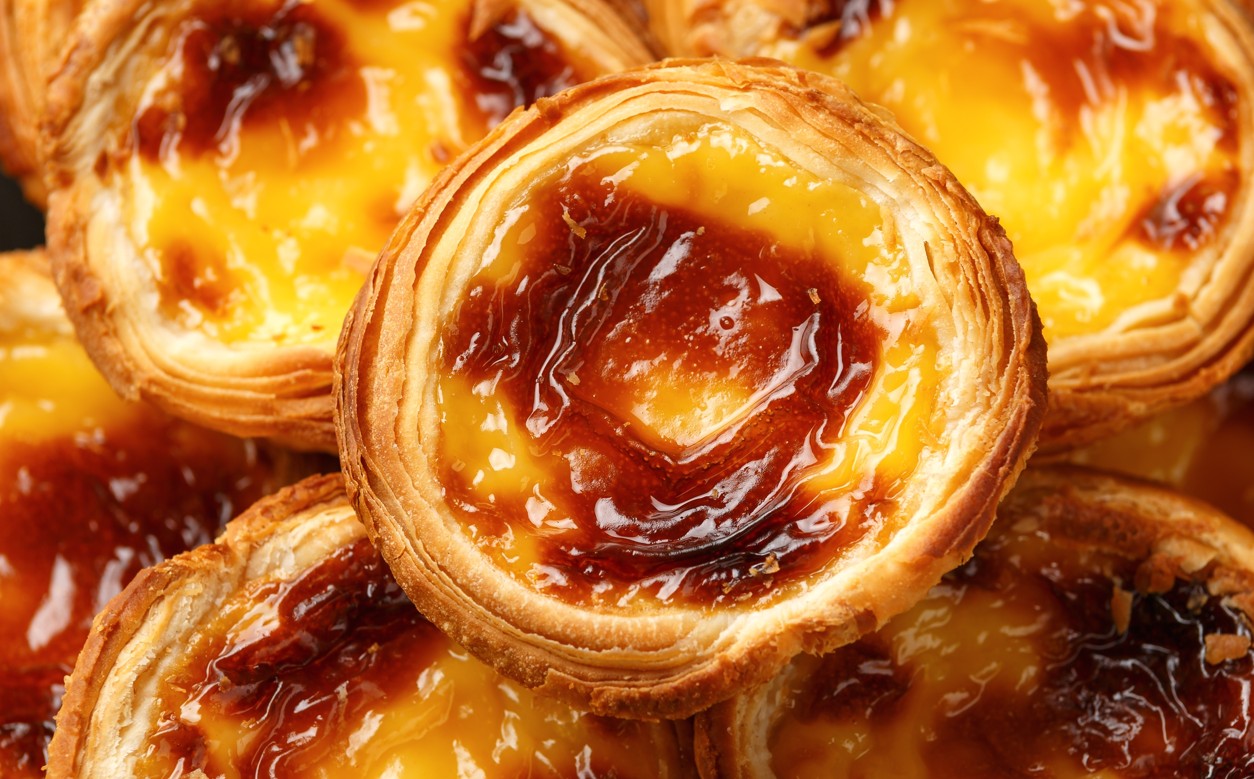
Food in Macau: What to Eat & Drink
Macau’s culinary landscape is a rare and captivating fusion of Portuguese colonial heritage, Cantonese foundations, and Macanese creole innovation, making it one of Asia’s most distinctive food destinations. As a former Portuguese colony and now a Special Administrative Region of China, Macau developed a food culture unlike anywhere else in the world—one that blends European cooking techniques with Asian ingredients, shaped by more than 400 years of Portuguese rule, global maritime trade, and its modern identity as the world’s gambling capital.
The region’s cuisine reflects Macau’s role as a historic trading post between East and West, its unique Macanese community of mixed Portuguese and Asian ancestry, and its compact geography of peninsula and islands. Macanese food is neither purely Portuguese nor Chinese—it is a creole cuisine born from necessity, adaptation, and global exchange. From humble neighborhood cafés in the Historic Centre to extravagant casino dining rooms on the Cotai Strip, Macau offers a culinary journey through Asia’s most European and culturally layered kitchen.
Local Specialities of Macau
Macau is world-famous for its Portuguese egg tarts—flaky pastry shells filled with silky custard and caramelised on top. Iconic bakeries such as Lord Stow’s Bakery and Margaret’s Café e Nata each claim legendary status, and tasting multiple versions is practically mandatory.
Minchi, a comforting dish of minced pork or beef cooked with potatoes, soy sauce, and spices, is widely considered Macau’s national dish and best represents Macanese home cooking. African chicken, roasted or baked in a spicy sauce made with paprika, coconut, garlic, and peanuts, reflects Portugal’s former African colonies and Macau’s global spice heritage. Bacalhau (salt cod) appears in classic Portuguese preparations such as bacalhau à brás.
The pork chop bun—a crispy fried pork chop stuffed into a crusty Portuguese roll—is Macau’s most beloved street food. Serradura (sawdust pudding), made from layers of crushed biscuits and whipped cream, is a simple but iconic dessert. Almond cookies, especially from long-established bakeries like Koi Kei, are Macau’s signature edible souvenir. Spicy Macanese chilli shrimp showcases the region’s seafood and spice-forward cooking.
Everyday Macau & Macanese Food
Breakfast in Macau may include congee, noodles, or a Portuguese-style coffee with pastries. Lunch is often a casual affair—set meals at local cafés, rice plates, or street food eaten on the go. Dinner ranges from relaxed Macanese eateries to formal Portuguese or Cantonese restaurants, often followed by casino entertainment late into the night.
Rice is the staple of everyday meals. Pork appears in chops, minced dishes, sausages such as chouriço, and slow-cooked stews. Seafood—particularly prawns, clams, and fish—is abundant. Coconut milk, peanuts, and spices feature prominently, reflecting Macau’s links to Africa, India, and Southeast Asia. Spices such as turmeric, paprika, cinnamon, and pepper give Macanese food its distinctive warmth. Macau’s café culture blends Chinese cha chaan teng traditions with Portuguese influences, creating a uniquely local dining rhythm.
Cultural Foundations: Cantonese Roots, Portuguese Rule & Creole Identity
Macau’s cuisine is the product of layered cultural exchange. Cantonese cooking provided the foundation—seafood, rice, freshness, and stir-frying. Portuguese colonisation introduced olive oil, baking, stews, cured meats, and European cooking techniques.
Portugal’s global empire added spices and ingredients from Africa, India, and Brazil. Over generations, the Macanese community fused these influences into a distinct creole cuisine passed down through families rather than restaurants. The result is food that feels both familiar and impossible to categorise—a cuisine that exists only in Macau. More than any single dish, Macanese food represents cultural adaptation and survival through centuries of trade and colonial transition.
Craft Beverage Scene and Local Libations
Macau’s beverage culture reflects its Portuguese heritage, Chinese traditions, and casino-driven luxury. Portuguese wines—particularly vinho verde, Douro reds, and port—are widely available and often excellent value.
Chinese tea is commonly served with meals, while coffee culture blends Portuguese espresso with Hong Kong–style milk tea. Casino bars and rooftop lounges offer world-class cocktails and extensive spirits lists. What distinguishes Macau is its access to Portuguese wine—few places outside Portugal offer such variety and affordability. Asian beers and local soft drinks round out the everyday drinking scene.
International Dining and Contemporary Scene
While Macanese and Portuguese cuisine define Macau’s culinary identity, international dining reflects the city’s casino wealth and tourism industry. High-end Cantonese restaurants inside casino resorts are among the finest in the world.
Michelin-starred restaurants from globally recognised chefs sit alongside traditional Portuguese taverns. Despite this luxury, Macau’s dining soul remains rooted in its Macanese and Portuguese neighbourhood eateries, many of which preserve family recipes rarely found elsewhere. The contrast defines Macau’s food scene—you can eat a pork chop bun from a street stall and a multi-course tasting menu from a Michelin-starred restaurant within the same hour.
Food Customs and Practical Tips
Dining in Macau ranges from street stalls to some of Asia’s most luxurious restaurants. Service is generally efficient and professional. Tipping is not expected, though it may be appreciated in high-end establishments.
Try multiple egg tart bakeries—each has its own style. Visit Taipa Village for the highest concentration of authentic Macanese and Portuguese restaurants. Buy almond cookies fresh from local bakeries rather than packaged airport versions. Dining in Portuguese-style squares adds atmosphere, particularly in the Historic Centre.
Explore different areas: the Historic Centre for traditional eateries, Taipa Village for Macanese cuisine, the Cotai Strip for casino fine dining, and Coloane for seafood and a slower pace. Expect queues at popular spots. Macau offers remarkable culinary range—from inexpensive street food to extravagant fine dining. Most importantly, embrace Macau’s culinary spirit: food here is about history, fusion, and a creole identity found nowhere else in the world.
This guide covers what to eat in Macau, from Portuguese egg tarts and African chicken to minchi, pork chop buns, and Macanese classics. Use it to plan your culinary exploration of Asia’s most unique food destination—where East and West have been sharing a table for over four centuries.
Check monthly weather averages for
Latest Secret Flying deals to Macau
Dublin, Ireland to Macau, China for only €463 roundtrip
Cheap flights from Dublin, Ireland to Macau, China for only €463 roundtrip.
View DealBudapest, Hungary to Macau, China for only €474 roundtrip
Cheap flights from Budapest, Hungary to Macau, China for only €474 roundtrip.
View DealStockholm, Sweden to Macau, China for only €317 roundtrip
Cheap flights from Stockholm, Sweden to Macau, China for only €317 roundtrip.
View Deal [adblockingdetector id="638efa67113bf"]