


Maldives Food Guide
Food in the Maldives: What to Eat & Drink
The Maldives’ culinary landscape is a pure expression of island survival, Indian Ocean abundance, and modern luxury, making it one of the world’s most geographically specific food destinations. As the planet’s lowest-lying nation—spread across 26 coral atolls—the Maldives has developed a food culture shaped by extreme isolation, limited agriculture, Islamic traditions, and complete dependence on the sea. The result is a cuisine defined by tuna, coconut, rice, and chili, where simplicity is not a choice but a necessity.
Maldivian food exists in two parallel worlds. On local islands, cuisine remains deeply traditional, practical, and fish-centered. On resort islands, global fine dining meets pristine natural surroundings, often incorporating local ingredients into international menus. Together, these contrasts define Maldivian dining: ancient island foodways coexisting with some of the most luxurious culinary settings on Earth.
Local Specialities of the Maldives
The Maldives is inseparable from mas huni, the national breakfast dish of shredded smoked tuna mixed with fresh coconut, onion, and chili, eaten with soft flatbread known as roshi. It is simple, nutritious, and emblematic of island life.
Garudhiya, a clear tuna broth served with rice, lime, chili, and onions, is the country’s most important comfort food. Fihunu mas, freshly caught fish grilled with chili paste, reflects the Maldives’ deep grilling tradition. Gulha are fried dough balls filled with tuna and coconut, while masroshi features tuna-stuffed flatbread.
Other staples include boshi mashuni (banana flower salad with coconut and fish), kuli boakiba (baked spiced fish cake), and huni hakuru folhi, a sweet coconut dessert often reserved for celebrations. Together, these dishes highlight a cuisine built around preservation, freshness, and the intelligent use of limited resources.
Everyday Maldivian Food
Daily eating in the Maldives follows a consistent and functional rhythm. Breakfast almost always includes mas huni with roshi and strong black tea (sai). Lunch and dinner revolve around rice served with fish curry, grilled fish, or tuna-based dishes.
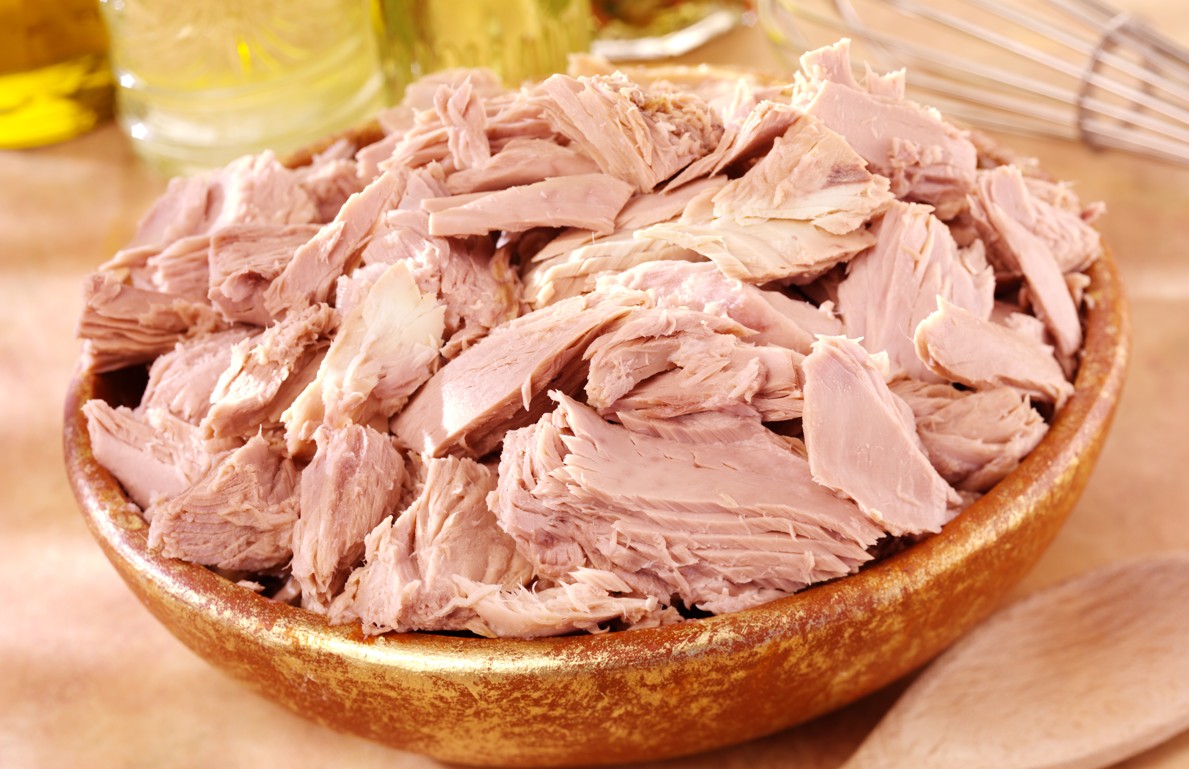
Tuna (kandu mas) dominates the diet in fresh, dried, smoked, and cured forms. Coconut is used constantly—grated, pressed into milk, cooked into curries, or eaten fresh. Rice, though imported, is essential. Chili provides heat, while lime cuts through richness.
A key social tradition is hedhikaa, the Maldivian tea-time ritual of serving small savory and sweet snacks with tea in the late afternoon. This daily pause reinforces food’s role as a communal anchor in island life.
Cultural Foundations: Indigenous Islands, Trade Routes & Islamic Influence
Maldivian cuisine reflects centuries of adaptation. Indigenous islanders relied on fish and coconut long before trade routes connected the archipelago to South Asia and the Arab world. South Asian settlers introduced rice and curry techniques, while Arab traders brought spices and Islamic dietary laws that still shape food practices today.
European colonial powers left limited culinary impact, but modern tourism radically transformed dining on resort islands. This layering creates a rare situation: a country where deeply traditional food exists alongside international fine dining, yet remains culturally intact on local islands.
Maldivian food culture is defined by restraint and balance—using what is available, wasting nothing, and respecting both religious and environmental limits.
Beverages and Local Drinks
Beverage culture in the Maldives reflects Islamic customs and tropical practicality. Sai—strong black tea with milk and sugar—is the national drink and consumed throughout the day.
Fresh coconut water, drunk directly from the shell, is the ultimate island refreshment. Fruit juices made from local ingredients such as screwpine (kashikeyo) and breadfruit appear occasionally. The traditional fermented palm drink raa is now rare due to religious restrictions.
Alcohol is prohibited on local islands but freely available on resort islands, where bars offer global wine lists, premium spirits, and elaborate cocktails. This sharp contrast between sober local life and indulgent resort culture is one of the Maldives’ defining characteristics.
International Dining and Resort Cuisine
While traditional Maldivian cuisine remains central on local islands, the Maldives is globally famous for its resort dining. Luxury resorts feature international cuisines ranging from Italian and Japanese to Middle Eastern and modern fusion.
Underwater restaurants, private sandbank dinners, and overwater dining pavilions turn meals into experiences. Increasingly, resorts are reintroducing authentic Maldivian dishes to showcase local heritage rather than replacing it.
What distinguishes Maldivian dining is not technical complexity but setting—grilled fish eaten barefoot in the sand, or fine dining beneath the ocean surface, creates a sense of place unlike anywhere else.
Food Customs and Practical Tips
Dining norms vary sharply depending on location. On local islands, food is simple, portions are generous, and modest dress is expected. On resorts, dining is international and formalized. Tipping is uncommon on local islands but standard at resorts.
Always use your right hand when eating without utensils on local islands. Expect spice—Maldivian food is often hotter than visitors anticipate. Mas huni is best tried at breakfast for authenticity.
Explore multiple contexts if possible: Malé for variety, local islands for tradition, resorts for luxury, and liveaboards for ultra-fresh seafood. Respect Islamic customs, especially regarding alcohol and dress. Above all, embrace contrast—few places on Earth offer such extremes between daily subsistence food and world-class luxury dining.
This guide covers what to eat in the Maldives, from mas huni and garudhiya to fihunu mas, gulha, and traditional island dishes. Use it to plan your culinary exploration of the Indian Ocean’s most delicate nation, where every meal reflects survival, sea, and the balance between ancient tradition and modern paradise.
Check monthly weather averages for
Latest Secret Flying deals to Maldives

Athens, Greece to the Maldives for only €419 roundtrip
Cheap flights from Athens, Greece to the Maldives for only €419 roundtrip.
View Deal [adblockingdetector id="638efa67113bf"]