


Manchester Food Guide
Food in Manchester: What to Eat & Drink
Manchester’s culinary landscape is a bold fusion of Northern English heartiness, industrial heritage, and multicultural creativity, making it one of Britain’s most exciting and fastest-evolving food destinations. As the birthplace of the Industrial Revolution and the cultural capital of Northern England, Manchester has developed a food culture rooted in working-class tradition yet driven by constant reinvention. Shaped by red-brick warehouses, canals, football culture, and waves of immigration, the city’s cuisine reflects resilience, innovation, and a refusal to stand still.
Manchester’s food identity is defined by substance over spectacle. Hearty Northern classics sit alongside globally inspired cuisine in converted mills, basement pubs, and independent dining rooms. The city’s location in England’s northwest—close to Lancashire farmland and historically connected to global trade—has created a kitchen where local ingredients meet international influence without pretension. From traditional pie shops in the Northern Quarter to ambitious chef-led restaurants in Ancoats and Spinningfields, Manchester offers a culinary experience that is confident, creative, and unmistakably its own.
Local Specialities of Manchester
Manchester is closely associated with Manchester tart, a traditional school-dinner dessert made with shortcrust pastry, raspberry jam, custard, coconut, and a cherry on top. Rag pudding, a suet pastry filled with minced meat and steamed in cloth, is a historic working-class dish from nearby Oldham.
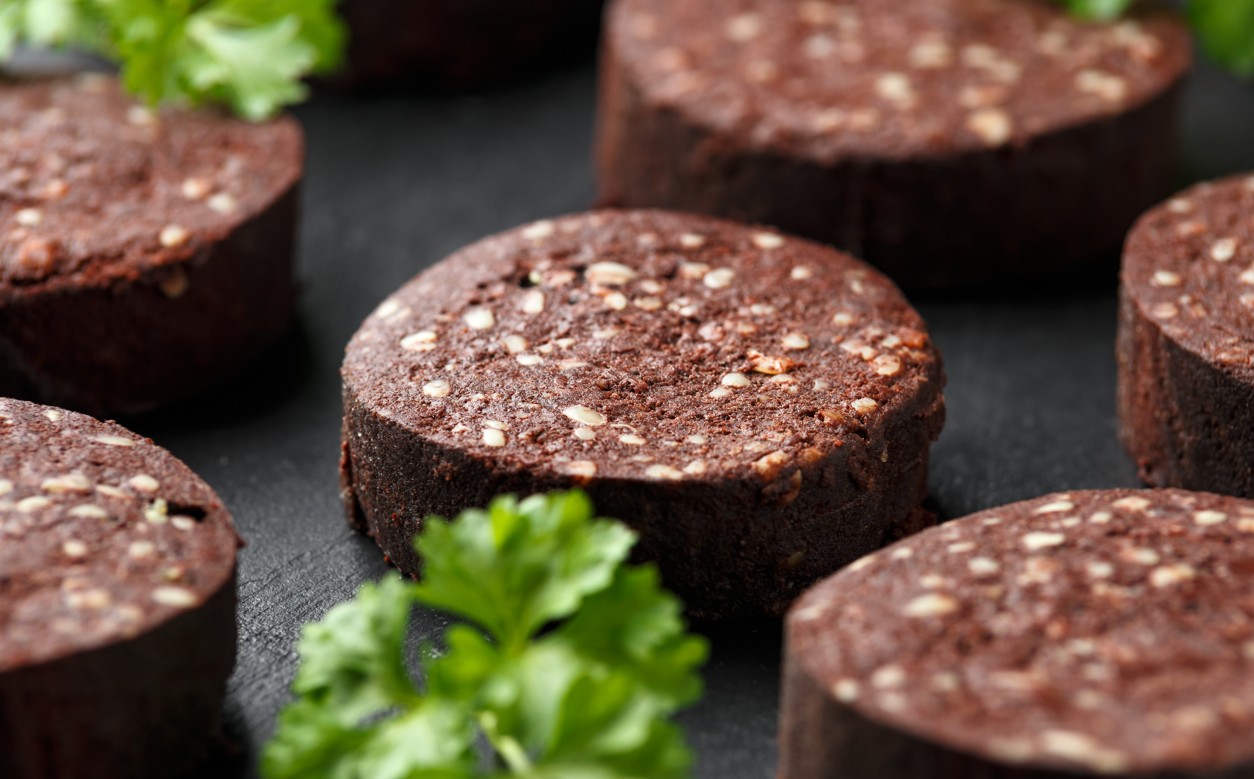
Black pudding, particularly from Bury just north of the city, is a regional staple served at breakfast and reimagined in modern cooking. Eccles cake, a flaky pastry filled with currants, originates from the neighbouring town of Eccles. Vimto, the iconic fruit cordial invented in Manchester in 1908, remains a point of local pride.
Other notable local foods include the Manchester egg—a pickled egg wrapped in black pudding and sausage meat—parched peas, a traditional street food once sold outside pubs, and butter pie, a simple vegetarian pie of potatoes, onions, and butter traditionally eaten during Lent.
Everyday Manchester & Northern English Food
Daily eating in Manchester reflects its Northern roots. Breakfast might include a full English, porridge, or pastries with strong coffee. Lunch often centres on sandwiches, pies, or pub meals, while dinner ranges from casual neighbourhood dining to ambitious restaurant experiences.
Beef features heavily in roasts, pies, and stews. Potatoes are ever-present—roasted, mashed, or fried. Wheat flour underpins breads, pastries, and puddings, while dairy products such as butter, cheese, and cream remain essential. Pub culture is central to social life, with historic Victorian pubs and modern gastropubs acting as communal gathering places. Manchester’s cool, wet climate lends itself to comforting food, though lighter, produce-led cooking has gained ground in recent years.
Cultural Fusion: Industrial Roots, Immigration & Reinvention
Manchester’s cuisine reflects its history as a city built by migration. Industrial-era food focused on filling, affordable meals for factory workers. Irish communities contributed stews, breads, and potato-based dishes. Italian immigrants introduced cafés, espresso culture, and ice cream.
Post-war immigration from South Asia, the Caribbean, Africa, and the Middle East transformed the city’s food scene. Today, Manchester is home to some of the UK’s best South Asian cuisine, alongside vibrant African, Middle Eastern, and East Asian dining. This layering creates a distinctly Mancunian table where traditional pies, Italian cafés, Caribbean cooking, and globally respected curries coexist naturally. Food here mirrors the city itself: practical, diverse, and constantly evolving.
Craft Beverage Scene and Local Drinks
Manchester’s drinking culture reflects its industrial past, sporting identity, and modern craft revival. Beer remains central, particularly cask ales and traditional bitters served in historic pubs.
The city is also one of the UK’s craft beer leaders, with breweries such as Marble, Cloudwater, Track, and Northern Monk gaining international recognition. Gin has a strong presence, with local distilleries like Three Rivers producing modern interpretations. Coffee culture has flourished, with independent roasters and specialty cafés scattered across the city.
What distinguishes Manchester is its balance—Victorian pubs sit comfortably alongside minimalist taprooms and cocktail bars. Football culture strongly influences drinking habits, with matchdays filling pubs near Old Trafford and the Etihad Stadium. The city’s cocktail scene is increasingly confident, particularly in the Northern Quarter and Ancoats.
International Dining and Contemporary Scene
Manchester’s international food scene is one of its greatest strengths. The Curry Mile in Rusholme is one of the UK’s most famous concentrations of South Asian restaurants, while Chinatown remains among the largest in Britain.
Modern British restaurants reinterpret Northern classics with contemporary techniques, often in striking industrial spaces. Independent operators dominate, and chains play a smaller role than in London. The city’s dining culture values authenticity, creativity, and value over formality. What distinguishes Manchester dining is its lack of pretension—exceptional food served in former warehouses, basements, and backstreets, without inflated prices or attitudes.
Food Customs and Practical Tips
Dining in Manchester ranges from chip shops and casual cafés to refined restaurants, with service typically friendly and straightforward. Tipping is appreciated but not obligatory—around 10% is standard for good service.
Expect generous portions and an informal atmosphere. Try Manchester tart or Eccles cake for a true local dessert experience. Visit the Curry Mile for outstanding South Asian food, and explore seasonal events like the Manchester Christmas Markets for regional specialities.
Explore different areas: the Northern Quarter for independent cafés and bars, Ancoats for the city’s most exciting new restaurants, Spinningfields for upscale dining, Chinatown for Asian cuisine, and Rusholme for South Asian food. Consider a food or beer tour to understand the city’s layered history. Be prepared for Manchester’s weather—indoor dining culture is well developed. Above all, embrace the city’s culinary spirit: food here is about community, reinvention, and the Northern tradition of turning simple ingredients into something memorable.
This guide covers what to eat in Manchester, from Manchester tart and black pudding to rag pudding, Eccles cakes, and Northern classics. Use it to plan your culinary exploration of England’s most self-confident second city, where industrial heritage, immigration, and creativity come together on the plate.
Check monthly weather averages for
Latest Secret Flying deals to Manchester
Rio de Janeiro, Brazil to Manchester, UK for only $312 USD one-way
Cheap flights from Rio de Janeiro, Brazil to Manchester, UK for only $312 USD one-way with TAP Air Portugal.
View Deal🔥 Krabi, Thailand to European cities from only $171 USD one-way
Cheap flights from Krabi, Thailand to European cities from only $171 USD one-way with Etihad Airways.
View Deal
 [adblockingdetector id="638efa67113bf"]