


Martinique Food Guide
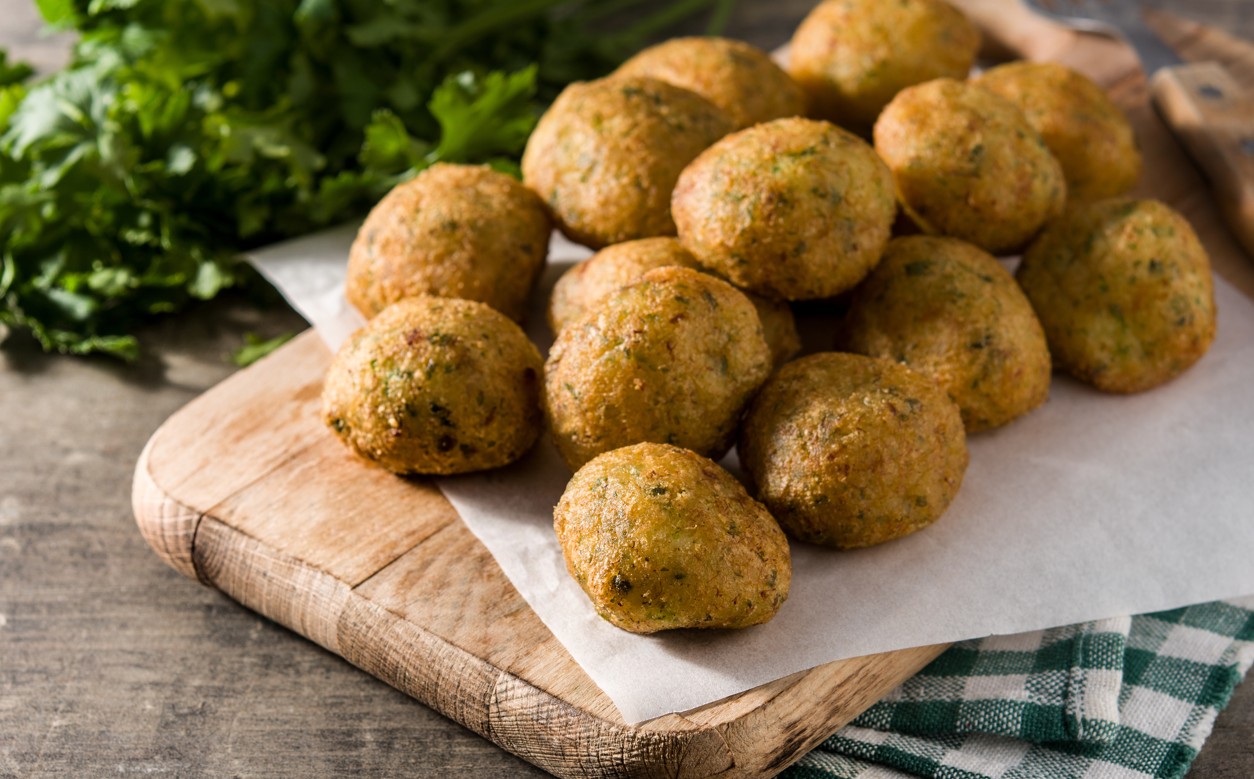
Food in Martinique: What to Eat & Drink
Martinique’s culinary landscape is a vibrant fusion of French refinement, African traditions, Indian spice influence, and Caribbean abundance, making it one of the most sophisticated and distinctive food destinations in the Caribbean. As an overseas department of France in the Lesser Antilles, occupies a unique culinary position—fully French in administration and technique, yet unmistakably Caribbean in ingredients, rhythm, and spirit.
The island’s cuisine reflects its history as a French colony built on sugar plantations, its deep African heritage shaped by enslaved peoples, the influence of Indian indentured laborers, and its location in a spice-rich maritime crossroads. Combined with fertile volcanic soil and rich fishing grounds, this history produces food that is aromatic, boldly spiced, and layered with cultural meaning. Martinique’s cooking is the purest expression of créolité: a living Creole identity where cultures do not merely coexist, but merge into something entirely their own.
Local Specialities of Martinique
Martinique is best known for colombo, a signature dish similar to curry but distinctly Caribbean. Made with chicken, goat, pork, or fish, colombo is flavored with a unique spice blend known as Colombo powder—typically containing turmeric, coriander, cumin, fenugreek, and mustard seed—combined with vegetables such as eggplant, squash, and yams.
Accras de morue, crisp salt cod fritters, are the island’s most iconic appetizer and a staple at snacks, markets, and celebrations. Boudin créole, richly spiced blood sausage, comes in both black (boudin noir) and white (boudin blanc) versions and is widely regarded as one of the Caribbean’s finest sausages.
Seafood plays a major role: chatrou (octopus) is served in salads or slow-cooked stews, while grilled fish and lobster appear frequently along the coast. Poulet boucané, smoked chicken with a deep, aromatic flavor, reflects Afro-Caribbean preservation traditions. Féroce d’avocat, a fiery avocado mash with salt cod and cassava flour, is a uniquely Martinican specialty.
Traditional desserts include blanc-manger coco, a delicate coconut milk pudding, and tourment d’amour, a small tart filled with coconut or guava, originally from the nearby Îles des Saintes but beloved across Martinique.
Everyday Martinican & Caribbean Food
Daily eating in Martinique blends French structure with Caribbean informality. Breakfast may include fresh tropical fruit, pastries, or accras with coffee. Lunch is the main meal and often substantial, featuring colombo, grilled meats, or seafood with rice and root vegetables. Dinner tends to be lighter or similar to lunch, particularly in rural areas.
Seafood—fish, lobster, octopus, and conch—is widely consumed. Root vegetables such as yam, sweet potato, cassava, and breadfruit replace European starches. Tropical fruits—banana, mango, pineapple, guava, passion fruit—appear fresh, juiced, or cooked. Spice is essential, with heat commonly coming from local habanero-type chilies (often called piment or chardon).
The island’s snack culture—small roadside eateries serving quick, affordable meals—is central to daily life and often where the most authentic food is found. Martinique’s tropical climate ensures year-round produce, with subtle seasonal shifts between wet and dry periods.
Cultural Fusion: French Technique, African Roots & Indian Influence
Martinique’s cuisine is a direct reflection of its layered history. French colonial rule introduced culinary technique, bread, pastries, wine culture, and formal dining structure. African heritage contributed okra, smoking methods, bold spice usage, and communal cooking traditions.
Indian indentured laborers, brought to the island after the abolition of slavery, introduced curry-style spices and cooking methods that evolved into colombo. Indigenous Caribbean influences added cassava, seafood preparation, and tropical ingredients.
The result is a cuisine where French pastry techniques coexist with African stews, Indian spice blends, and Caribbean seafood—an identity that is neither fully European nor traditionally Caribbean, but unmistakably Martinican.
Rhum Agricole & Local Drinks
Martinique’s beverage culture is inseparable from its rum heritage. The island is world-famous for rhum agricole, made from fresh sugarcane juice rather than molasses and protected by an AOC (Appellation d’Origine Contrôlée), the only rum in the world with this designation.
Ti-punch—rhum agricole with lime and sugarcane syrup—is the national drink and a daily ritual, often assembled to taste rather than mixed by a bartender. Planteur, a fruit-based rum punch, is popular at gatherings and celebrations.
Fresh fruit juices are widely consumed, particularly guava, passion fruit, soursop, and tamarind. Local beer such as Lorraine is common. Thanks to Martinique’s French status, excellent French wines and champagne are readily available across the island.
International Dining and Contemporary Scene
While Martinican cuisine dominates, the island offers strong international dining influenced by its French connection and tourism. French restaurants in Fort-de-France and resort areas serve classic and modern French cuisine.
Contemporary French-Caribbean chefs are reinterpreting traditional dishes with refined technique and modern presentation. Despite this evolution, Martinique’s culinary heart remains in its local snacks, markets, and traditional restaurants, where Creole cooking thrives without dilution.
What distinguishes dining in Martinique is its balance: Caribbean flavors prepared with French discipline, resulting in food that is bold yet elegant, rustic yet polished.
Food Customs and Practical Tips
Dining in Martinique ranges from casual roadside snacks to refined restaurants. Service often includes a French sense of formality paired with Caribbean pace—meals may be unhurried. Tipping is not expected, as service is usually included, but rounding up is appreciated.
Spice levels can be high; ask before ordering if you are sensitive to heat. Always try accras as a first dish. Visit local markets for spices, fruits, and prepared foods. Exploring unfamiliar tropical fruits is highly recommended.
For dining areas: Fort-de-France offers the widest variety, fishing villages excel in seafood, the south features resort dining, and the northern regions preserve more traditional Martinican cooking. A rum distillery visit is essential for understanding the island’s most famous export.
This guide covers what to eat in Martinique, from colombo and accras to boudin créole, féroce d’avocat, and rhum agricole traditions. Use it to plan your culinary exploration of France’s Caribbean island, where French technique and Caribbean soul meet in one of the region’s most distinctive food cultures.
Check monthly weather averages for
Latest Secret Flying deals to Martinique
SUMMER: Business Class from Paris, France to Guadeloupe or Martinique from only €1612 roundtrip (lie-flat seats)
Business Class, summer flights from Paris, France to Guadeloupe or Martinique from only €1612 roundtrip.
View DealNon-stop from Montreal, Canada to Martinique for only $467 CAD roundtrip
Non-stop flights from Montreal, Canada to Martinique for only $467 CAD roundtrip with Air Canada.
View DealLAST MINUTE: Non-stop from Paris, France to Martinique for only €182 one-way
Non-stop, last minute flights from Paris, France to Martinique for only €182 one-way.
View Deal [adblockingdetector id="638efa67113bf"]