


Mauritius Food Guide
Food in Mauritius: What to Eat & Drink
Mauritius’s culinary landscape is a vivid fusion of Indian, Chinese, French, and Creole traditions, making it one of the Indian Ocean’s most diverse and culturally layered food destinations. As a multicultural island nation in the Mascarene Islands, has developed a food culture unlike anywhere else—one shaped not by a single dominant cuisine, but by centuries of migration, coexistence, and adaptation.
The island’s cuisine reflects its unusual history: once uninhabited, then colonized by the Dutch, French, and British, before becoming home to large communities of Indian indentured laborers, Chinese traders, African and Malagasy descendants, and European settlers. Combined with fertile volcanic soil and abundant marine life, this multicultural foundation produces food that is aromatic, spicy, deeply comforting, and remarkably harmonious. Mauritian cooking is not fusion in the modern sense—it is lived multiculturalism, where cuisines evolved side by side and naturally blended into a shared national table.
Local Specialities of Mauritius
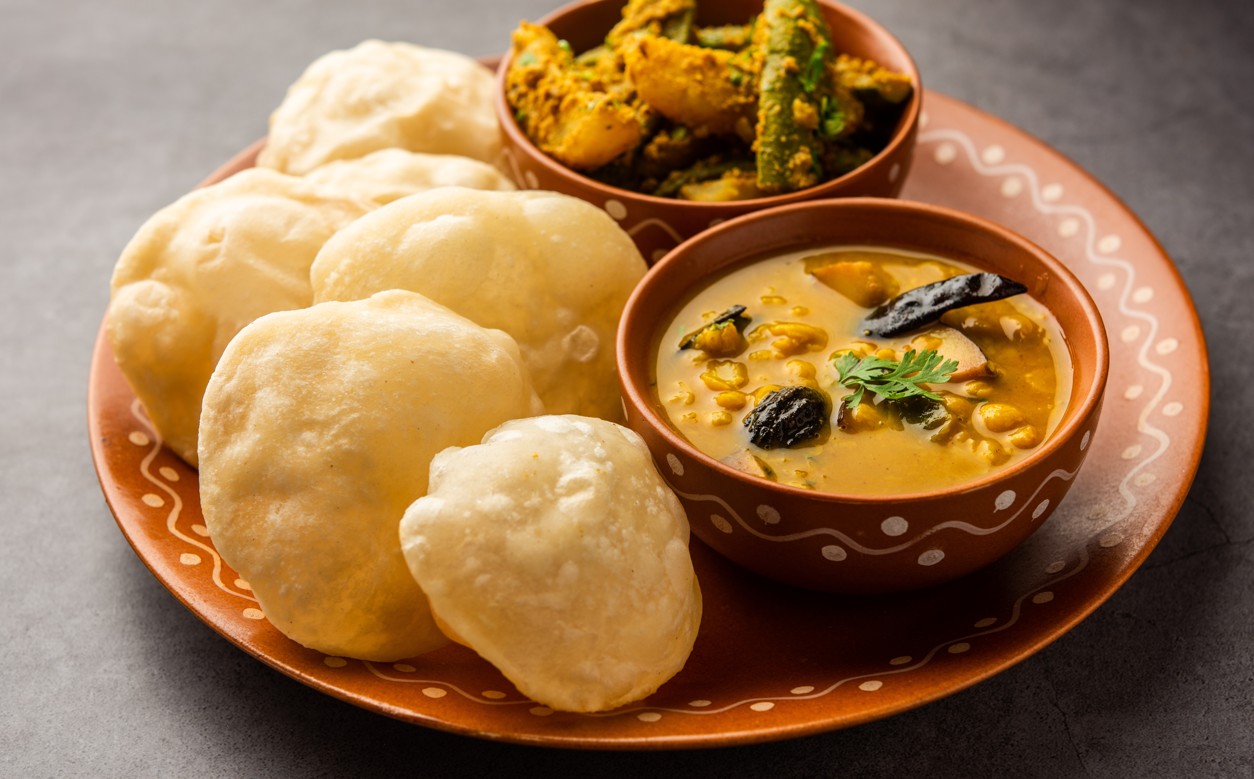
Mauritius is best known for dholl puri, the island’s national street food and cultural icon. These thin, soft flatbreads made from yellow split peas are filled with ground lentils and served with bean curry, rougaille, pickled vegetables, and chutneys. Cheap, filling, and deeply beloved, dholl puri is eaten at all hours and by all communities.
Mine frite, Chinese-inspired fried noodles with vegetables, meat, or seafood, reflects the strong Sino-Mauritian influence on everyday food. Bol renversé (“upside-down bowl”), another Chinese-Mauritian classic, features rice topped with stir-fried meat, vegetables, and egg, served inverted onto the plate.
Popular snacks include gateau piment, spicy chili fritters made from split peas; samosas adapted to local tastes; and farata, a flaky flatbread similar to Indian paratha. Rougaille, a tomato-based sauce with garlic, ginger, and thyme, appears throughout Mauritian cooking and is served with fish, sausages, or seafood.
Vindaye, fish or meat marinated in turmeric, mustard seeds, vinegar, and aromatics, reflects preservation techniques influenced by Indian and Creole traditions. For refreshment, alouda—a chilled milk drink with basil seeds, agar-agar, and syrup—is uniquely Mauritian and widely consumed.
Everyday Mauritian Food
Daily eating in Mauritius reflects the island’s relaxed rhythm and cultural mix. Breakfast may include fresh tropical fruit, bread with jam, or dholl puri bought from a street vendor. Lunch is the main meal, often consisting of rice accompanied by several curries, stir-fries, or seafood dishes. Dinner is similar or lighter, particularly in rural areas.
Rice is the primary staple, served with most meals. Seafood—fish, octopus, shrimp, and crab—is widely consumed, particularly along the coast. Tropical fruits such as lychee, mango, pineapple, papaya, and banana appear fresh, juiced, or in desserts. Spices including turmeric, cumin, coriander, and chili reflect Indian culinary roots, while fresh herbs like thyme and cilantro are used generously.
Street food culture is central to Mauritian life, especially in Port Louis and major towns. Vendors sell everything from snacks to full meals, often representing multiple culinary traditions at a single stall. The tropical climate ensures year-round produce, with seasonal highlights such as lychees in summer.
Cultural Fusion: Creole Roots, Indian & Chinese Heritage, and Colonial Legacy
Mauritian cuisine is a direct expression of its multicultural society. Creole cooking—shaped by African, Malagasy, and French influences—emphasizes seafood, tomato-based sauces, and local herbs. Indian indentured laborers brought curries, breads, lentils, and spice blends that now form the backbone of everyday eating.
Chinese immigrants introduced stir-frying, noodles, steaming techniques, and soy-based seasonings. French colonization contributed culinary structure, pastries, bread, and a taste for refined dining, while British rule left traces in tea culture.
The result is a cuisine where Creole rougaille, Indian curry, Chinese noodles, and French pastry coexist naturally on the same table. Mauritian food embodies the island’s national motto—“Unity in Diversity”—not as a concept, but as daily practice.
Rum, Refreshments & Local Drinks
Mauritius’s beverage culture reflects its sugarcane heritage, tropical climate, and colonial past. Phoenix Beer, the national lager, is widely consumed and perfectly suited to the heat.
Rum plays a central role in Mauritian drinking culture, produced locally from sugarcane and often infused with fruits such as vanilla, lychee, or pineapple. Fresh fruit juices—sugarcane, mango, pineapple, tamarind—are widely available and deeply refreshing.
Alouda, the milky drink with basil seeds and agar-agar, is one of the island’s most distinctive non-alcoholic beverages. Tea culture reflects both British and French influences, while wine is largely imported but commonly enjoyed.
International Dining and Contemporary Scene
While Mauritian cuisine remains central, the island offers strong international dining, particularly in resort areas. French restaurants serve classic and modern cuisine, while Indian restaurants range from North to South Indian styles. Chinese restaurants remain an important part of the dining landscape.
Modern Mauritian chefs are increasingly reinterpreting traditional dishes with contemporary presentation and technique. Despite this evolution, the soul of Mauritian food remains in street stalls, markets, and small local eateries—even luxury resorts often highlight authentic Mauritian dishes.
What distinguishes dining in Mauritius is its authenticity: Indian, Chinese, Creole, and French foods are not approximations, but living cuisines maintained by communities that have cooked them for generations.
Food Customs and Practical Tips
Dining in Mauritius ranges from informal street stalls to upscale resort restaurants. Service is generally friendly and relaxed. Tipping is appreciated but not obligatory—around 10% is generous. Eating with the hands is common for Indian-inspired dishes.
Dholl puri is traditionally eaten by hand and best enjoyed fresh from street vendors. Gateau piment makes an ideal snack between meals. The Port Louis Central Market is the best place to sample the island’s full culinary diversity.
For dining areas: Port Louis offers the richest street food scene; Grand Baie caters to tourists; the south features more traditional local spots; resorts provide international and refined dining. A food tour in Port Louis is highly recommended.
This guide covers what to eat in Mauritius, from dholl puri and mine frite to gateau piment, rougaille, and Mauritian specialties. Use it to plan your culinary exploration of the Indian Ocean’s most multicultural island, where every meal reflects centuries of migration, coexistence, and shared identity.
Check monthly weather averages for
Latest Secret Flying deals to Mauritius
Barcelona, Spain to Mauritius for only €455 roundtrip
Cheap flights from Barcelona, Spain to Mauritius for only €455 roundtrip.
View DealNon-stop from Madrid, Spain to Mauritius for only €223 one-way
Non-stop flights from Madrid, Spain to Mauritius for only €223 one-way.
View DealAmsterdam, Netherlands to Mauritius for only €461 roundtrip
Cheap flights from Amsterdam, Netherlands to Mauritius for only €461 roundtrip.
View Deal [adblockingdetector id="638efa67113bf"]