


Medellin Food Guide
Food in Medellín: What to Eat & Drink
Medellín’s culinary landscape is a proud celebration of Paisa tradition, Andean abundance, and modern Colombian creativity, making it one of South America’s most compelling and fast-evolving food destinations. As Colombia’s second-largest city and the cultural heart of Antioquia, has developed a food culture defined by generosity, simplicity, and substance—shaped by mountain life, agricultural heritage, and a powerful story of urban transformation.
Known as the “City of Eternal Spring,” Medellín enjoys a mild year-round climate that supports both highland crops and access to tropical valley produce. Its cuisine reflects its roots as a coffee-growing, farming region, its location in the Aburrá Valley, and the Paisa ethos of hard work and hospitality. The result is food that is hearty, comforting, and deeply satisfying—built for energy, family sharing, and everyday nourishment rather than culinary excess.
Local Specialities of Medellín
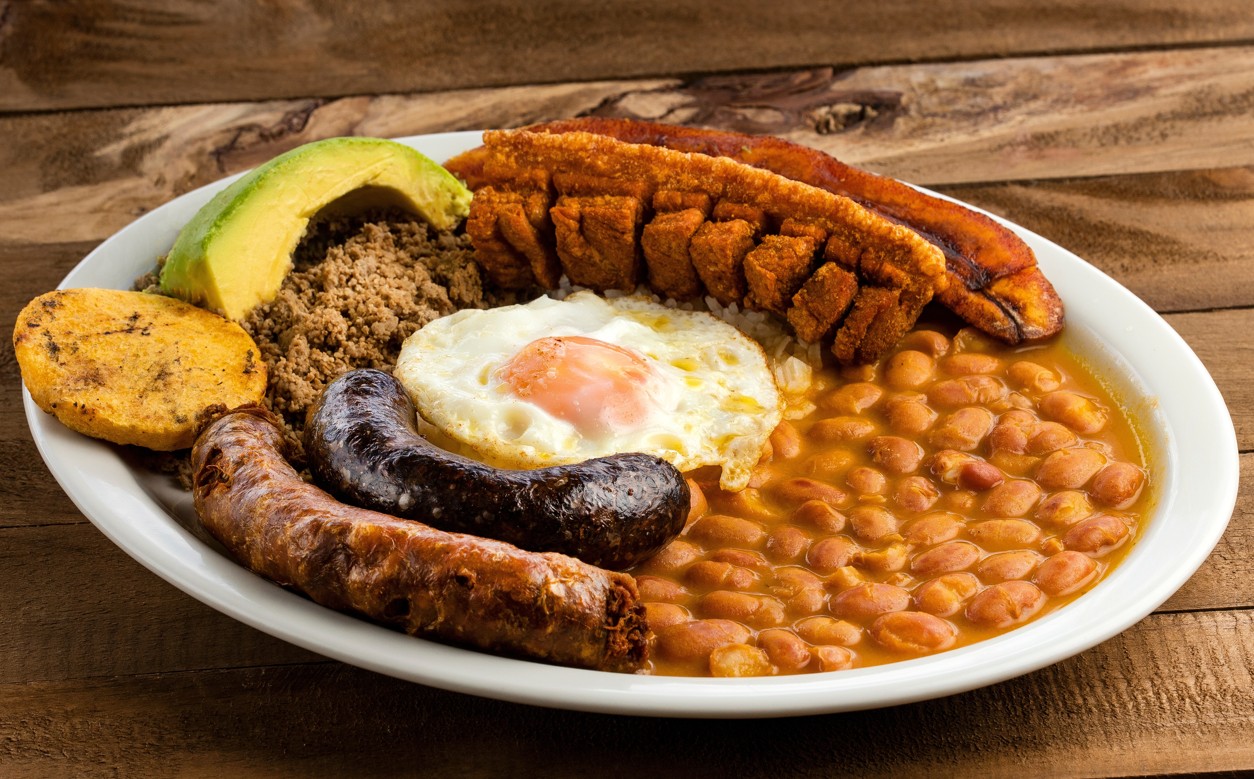
Medellín is synonymous with bandeja paisa, one of Colombia’s most iconic dishes and a symbol of Antioquian identity. This monumental platter includes red beans, rice, ground beef, chicharrón (crispy pork belly), chorizo, fried egg, ripe plantain, avocado, and arepa—an unapologetically filling meal rooted in rural labor traditions.
Mondongo, a slow-cooked tripe soup with vegetables and herbs, is a beloved comfort dish often enjoyed on weekends. Sancocho, a hearty soup made with chicken or beef, plantain, corn, and potatoes, is a cornerstone of family gatherings and celebrations.
Daily staples include arepa paisa, a simple corn cake served with butter or cheese; empanadas antioqueñas, corn-dough empanadas filled with meat and potatoes; and hogao, a tomato-onion sauce that forms the flavor base of many Paisa dishes. Sweet traditions include mazamorra, a corn porridge served with panela, and postre de natas, a rich milk-based dessert.
Everyday Medellín & Paisa Food
Everyday eating in Medellín is practical, filling, and affordable. Breakfast often includes calentao—reheated rice and beans—served with eggs and arepa, or fresh fruit with strong Colombian coffee. Lunch is the main meal, typically a menú del día featuring soup, a substantial main course, rice, and a fresh juice.
Red beans are consumed almost daily, paired with rice at nearly every meal. Corn appears constantly as arepas, empanadas, and mazamorra. Pork plays a central role through chicharrón and sausages, while plantains—both sweet (maduro) and green (patacones)—are ubiquitous side dishes.
The city’s fonda culture—traditional neighborhood eateries—remains central to daily life, offering generous portions of home-style Paisa food. Medellín’s mild climate supports comfortable dining year-round, with terraces, patios, and open-air restaurants common across the city.
Cultural Roots: Indigenous Foundations, Spanish Influence & Mountain Adaptation
Medellín’s cuisine reflects its indigenous roots, Spanish colonial influence, and adaptation to mountain life. Indigenous communities emphasized corn, beans, and local tubers. Spanish colonization introduced pork, rice, dairy, and stewing techniques.
The Andean environment shaped a cuisine built for endurance—energy-rich, filling meals designed for farmers and laborers. This produced the unmistakable Paisa food identity: simple ingredients, minimal ornamentation, and abundant portions. Medellín’s food culture embodies Paisa hospitality—feed people well, and make them feel welcome.
Coffee, Spirits & Local Drinks
Medellín’s beverage culture is inseparable from Colombia’s coffee heritage. Excellent Colombian coffee is consumed throughout the day, with specialty cafés highlighting beans from nearby regions.
Aguardiente, an anise-flavored spirit, is the national drink and a staple of social gatherings. Refajo—beer mixed with Colombiana soda—is a popular casual refreshment. Fresh fruit juices made from lulo, maracuyá (passion fruit), guanábana, and mango are widely available.
Craft beer has grown rapidly, with local breweries such as 3 Cordilleras and BBC leading the scene. What distinguishes Medellín is the coexistence of traditional drinking rituals and a modern café-and-brewery culture driven by young entrepreneurs.
International Dining and Contemporary Scene
While Paisa cuisine dominates, Medellín’s modern growth has brought a diverse international dining scene. Peruvian restaurants are particularly strong, alongside Italian, Mexican, and Asian offerings.
Contemporary Colombian restaurants reinterpret traditional dishes using modern techniques while remaining rooted in local ingredients. Even upscale restaurants often reference Paisa flavors. The city’s food scene balances tradition and innovation, especially in the competitive coffee, bandeja paisa, and modern Colombian sectors.
What distinguishes Medellín dining is its authenticity and value—high-quality food served in relaxed, unpretentious settings at prices far below major global cities.
Food Customs and Practical Tips
Dining in Medellín ranges from street food stalls to refined restaurants, with service generally warm and attentive. Tipping is appreciated but not mandatory—10% is standard in restaurants. Expect friendly interactions; Paisa hospitality is genuine and conversational.
Come hungry if ordering bandeja paisa—it is meant for serious appetites. Try arepas from street vendors for an authentic experience. Visit local markets to discover tropical fruits and traditional ingredients unfamiliar to many visitors.
Explore different neighborhoods: El Poblado for upscale dining and nightlife, Laureles for traditional fondas, Envigado for deeply authentic Paisa food, and the city center for historic eateries. Food and coffee tours offer excellent cultural context.
This guide covers what to eat in Medellín, from bandeja paisa and mondongo to arepas, empanadas, and Paisa staples. Use it to plan your culinary exploration of Colombia’s City of Eternal Spring—where every meal reflects mountain roots, generous hospitality, and a city that has reinvented itself without losing its soul.
 [adblockingdetector id="638efa67113bf"]