


Medina Food Guide
Food in Medina: What to Eat & Drink
Medina’s culinary landscape is a deeply spiritual expression of Hejazi tradition, Arabian hospitality, and Islamic heritage, making it one of the Muslim world’s most meaningful and culturally rooted food destinations. As Islam’s second holiest city and the resting place of the Prophet Muhammad, has developed a food culture shaped by faith, pilgrimage, and centuries of welcoming travelers along ancient caravan routes.
Set within an oasis on the volcanic plateau of the Hejaz, Medina’s cuisine reflects its desert environment, agricultural ingenuity, and long history as a center of worship and learning. Food here is intentionally simple, nourishing, and generous—designed to sustain pilgrims physically while reflecting Islamic values of hospitality, moderation, and gratitude. Meals are often communal, unpretentious, and closely tied to religious practice.
Local Specialities of Medina
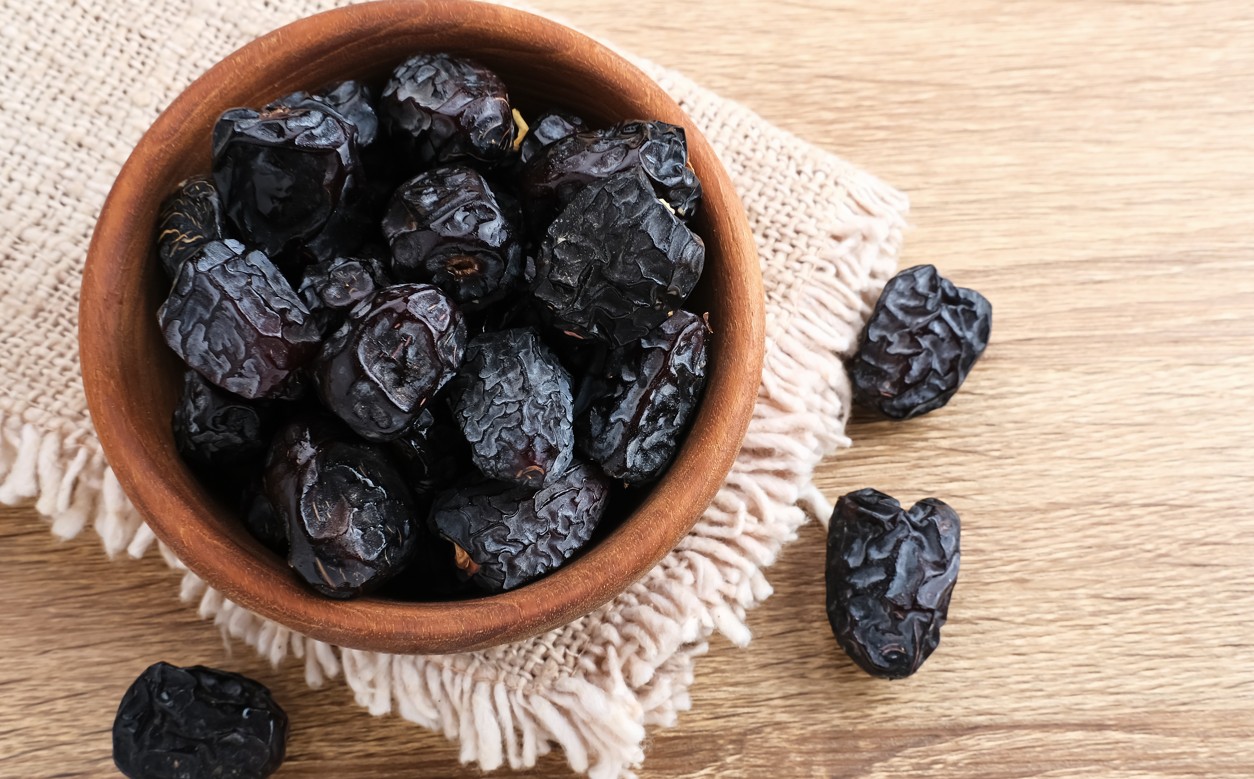
Medina is world-famous for its dates, especially Ajwa dates, grown in the city’s oasis and mentioned in Islamic tradition for their spiritual and symbolic significance. Dates are central to daily life and religious observance, particularly when breaking fasts.
Madfoon, meat (usually lamb or chicken) cooked underground with rice and spices, is a traditional Bedouin dish popular in Medina. Saleeg, a creamy white rice dish cooked with milk and chicken broth and topped with tender boiled chicken, is one of the city’s most comforting and beloved meals.
Other local dishes include jarish, crushed wheat cooked with meat and tomatoes; harees, cracked wheat slowly cooked with meat and traditionally served during Ramadan; matazeez, dumplings simmered in a rich lamb or chicken broth; and aseedah, a dough-based dish served with meat or honey. Medina’s version of kabsa often features subtler spice blends than elsewhere in Saudi Arabia, reflecting Hejazi preferences.
Everyday Medina & Hejazi Food
Daily eating in Medina is modest, filling, and rhythmically connected to prayer times. Breakfast often includes dates with milk or labneh, ful medames (fava beans), or simple flatbread with cheese. Lunch is the main meal, typically built around rice dishes such as kabsa or saleeg, while dinner is similar or lighter, often shared among family or groups.
Dates are consumed throughout the day, especially before breaking fasts. Lamb is the preferred meat, appearing in stews, grills, and rice dishes. Wheat is used in breads and porridges, while yogurt and laban accompany many meals for balance and cooling. Long-grain basmati rice is the staple starch.
Spices are aromatic but restrained—cardamom, saffron, cloves, and dried black lime provide depth without heat. Medina’s role as a pilgrimage center strongly influences its food culture, with many restaurants focusing on substantial, nourishing meals served efficiently to accommodate worshippers.
Cultural Roots: Pre-Islamic Arabia, Islamic Tradition & Hejazi Identity
Medina’s cuisine is shaped by its pre-Islamic Arabian foundations, early Islamic traditions established during the Prophet’s lifetime, and the broader Hejazi cultural identity. Early Arabian diets emphasized dates, milk, grains, and simple preparations suited to desert life.
As Islam developed in Medina, food customs became linked to religious practice, dietary laws, and prophetic traditions. Medina’s position along historic caravan routes introduced influences from Syria, Egypt, Yemen, and beyond. The result is a distinctly Medinan food culture where religious significance, hospitality, and regional tradition intersect.
Feeding others is considered an act of worship, and Medina has fulfilled this role for more than 1,400 years—quietly, consistently, and with deep reverence.
Traditional Drinks & Non-Alcoholic Beverages
Medina’s beverage culture reflects its Islamic foundations and desert environment. Zamzam water, brought from nearby Mecca, holds profound spiritual significance and is commonly consumed by pilgrims.
Arabic coffee (gahwa), lightly roasted and flavored with cardamom, is the cornerstone of hospitality. Laban (buttermilk) and yogurt drinks provide cooling refreshment, while fresh fruit juices—particularly date-based drinks—are widely enjoyed.
Alcohol is strictly prohibited in Saudi Arabia, so Medina’s drink culture focuses entirely on traditional, nourishing, and symbolic beverages. The ritual of serving gahwa, often accompanied by dates, remains one of the city’s most important social customs.
International Dining and the Pilgrim Experience
While Hejazi and traditional Arabian cuisine dominate, Medina offers international dining shaped by its global pilgrim population. South Asian restaurants cater to visitors from Pakistan, India, and Bangladesh, while Turkish and Egyptian eateries reflect other major Muslim cultures.
Despite this diversity, Medina’s culinary soul remains firmly rooted in its local traditions. Even hotel restaurants often prioritize Hejazi dishes. The city’s food scene is practical rather than experimental, designed to feed large numbers efficiently while preserving cultural authenticity.
What distinguishes dining in Medina is its spiritual context—meals are often planned around prayer times, and feeding others is seen as a form of devotion rather than commerce.
Food Customs and Practical Tips
Dining in Medina ranges from simple cafeterias to hotel restaurants, with service typically efficient and respectful. Tipping is not expected but appreciated. When eating with your hands, always use your right hand, in accordance with Islamic etiquette.
Dates are traditionally eaten in odd numbers, following the Prophet’s practice. Try saleeg for an authentic local comfort dish, and visit the date markets to explore the extraordinary variety grown in the region.
Restaurants around the Prophet’s Mosque cater primarily to pilgrims, while other parts of the city offer more local dining experiences. Be aware that many establishments close briefly during prayer times. Dress modestly and respect the city’s religious atmosphere.
This guide covers what to eat in Medina, from Ajwa dates and madfoon to saleeg, jarish, and Hejazi staples. Use it to plan your culinary exploration of the City of the Prophet—where food is not about indulgence, but nourishment, hospitality, and centuries-old traditions rooted in faith.
Check monthly weather averages for
Latest Secret Flying deals to Medina
French cities to Medina or Jeddah, Saudi Arabia from only €250 roundtrip
Cheap flights from French cities to Medina or Jeddah, Saudi Arabia from only €250 roundtrip.
View DealZurich, Switzerland to Medina, Saudi Arabia for only €273 roundtrip
Cheap flights from Zurich, Switzerland to Medina, Saudi Arabia for only €273 roundtrip.
View DealMontreal, Canada to Medina, Saudi Arabia for only $767 CAD roundtrip (Oct-Mar dates)
Cheap flights from Montreal, Canada to Medina, Saudi Arabia for only $767 CAD roundtrip with Qatar Airways.
View Deal [adblockingdetector id="638efa67113bf"]