


Melbourne Food Guide
Food in Melbourne: What to Eat & Drink
Melbourne’s culinary landscape is a refined fusion of European foundations, Asian influence, and distinctly Australian innovation, making it one of the world’s most diverse and food-obsessed cities. Often cited as Australia’s cultural capital, Melbourne has developed a food culture that balances Victorian-era elegance with bold contemporary creativity, shaped by its famously unpredictable climate, powerful immigration history, and deep-rooted passion for eating well.
The city’s cuisine reflects its origins as a 19th-century gold-rush boomtown, its role as Australia’s primary immigration gateway, and its evolution into a city of neighbourhoods, laneways, markets, and fiercely opinionated diners. Food in Melbourne is seasonal, multicultural, and constantly evolving—driven as much by immigrant family kitchens as by globally recognised chefs.
Local Specialities of Melbourne
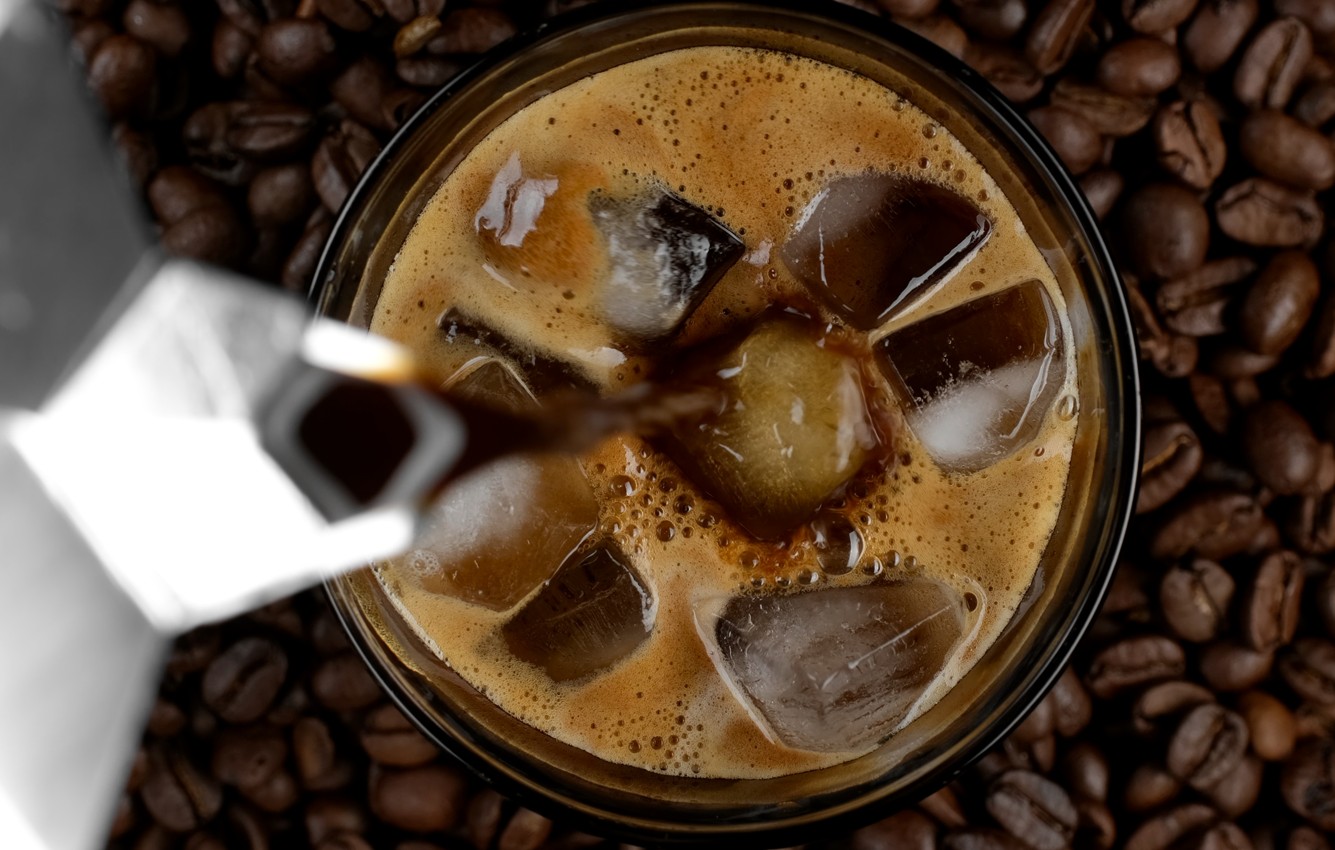
Melbourne is internationally famous for its coffee culture. Specialty coffee is taken seriously, with flat whites, piccolos, and long blacks perfected in laneway cafes by highly trained baristas. Coffee is not an accessory here—it is a daily ritual and a point of civic pride.
The Melbourne dim sim, a larger, meatier local adaptation of Chinese dim sum, is a uniquely Melburnian invention, commonly steamed or deep-fried and sold at fish-and-chip shops and sporting events. Chicken parmigiana (universally shortened to “parma”)—crumbed chicken topped with tomato sauce and melted cheese—is a pub staple.
Other iconic foods include the classic meat pie (especially at Australian Rules football matches), Vegemite on toast, lamingtons (sponge cake coated in chocolate and coconut), vanilla slice (custard pastry), pavlova (meringue dessert with fruit), and fish and chips, particularly in beachside suburbs such as St Kilda.
Everyday Melbourne & Modern Australian Food
Breakfast in Melbourne is a serious affair—often extending into all-day brunch. Expect creative dishes such as smashed avocado on sourdough, eggs Benedict variations, ricotta hotcakes, and seasonal fruit bowls paired with excellent coffee. Lunch tends toward light meals, sandwiches, salads, or quick ethnic eats, while dinner ranges from casual shared-plate restaurants to fine dining.
Lamb appears frequently in roasts, grills, and modern interpretations. Seafood from southern Australian waters—oysters, snapper, calamari, and mussels—is widely available. Seasonal Victorian produce such as berries, stone fruits, leafy greens, and mushrooms plays a central role. Ingredients and techniques from Asian, Mediterranean, and Middle Eastern cuisines are part of everyday cooking.
Melbourne’s café culture underpins social life. Eating out is routine rather than exceptional, and neighbourhood cafes function as informal community hubs. The city’s variable climate encourages seasonal eating—comforting dishes in winter and lighter, produce-driven menus in summer.
Cultural Roots: British Foundations, European Migration & Asian Influence
Melbourne’s food culture is built on layered waves of migration. British colonial traditions established meat pies, roasts, and pub dining. Post-war European immigration—particularly Greek and Italian—transformed the city, introducing espresso culture, Mediterranean ingredients, bakeries, and family-run restaurants.
From the 1970s onward, Vietnamese, Chinese, and other Asian communities reshaped Melbourne’s culinary identity. Today, the city offers deeply authentic cuisines from across Asia alongside European traditions. A single day might include Italian-style coffee, Vietnamese pho, Greek souvlaki, and modern Australian dining—often within the same suburb.
Melbourne’s cuisine embodies multiculturalism not as novelty, but as lived reality: communities preserving tradition while influencing a shared, evolving food culture.
Coffee, Wine & Craft Beverages
Melbourne’s beverage culture is defined by its coffee obsession, proximity to wine regions, and thriving craft scene. Specialty coffee is omnipresent, with independent roasters, meticulous extraction, and strong opinions about milk texture and bean origin.
Wine lists are exceptional thanks to nearby regions such as the Yarra Valley, Mornington Peninsula, and Macedon Ranges. Craft beer has flourished, with local breweries producing highly regarded pale ales, IPAs, and lagers. Australian gin distilleries have also gained prominence.
What distinguishes Melbourne is its depth rather than flash—coffee is consistent at every level, wine is taken seriously even in casual restaurants, and bars range from rooftop venues to hidden laneway speakeasies.
International Dining and the Neighbourhood Food Scene
Melbourne is defined by its neighbourhood-based food geography. Vietnamese food thrives in Richmond and Footscray, Greek cuisine dominates Oakleigh, Italian food anchors Carlton and Lygon Street, Chinese dining flourishes in Box Hill and Chinatown, and African and Middle Eastern cuisines are well represented in the city’s west.
Modern Australian restaurants reinterpret local ingredients through global techniques, while casual ethnic eateries continue to shape the city’s everyday eating habits. Melbourne’s finest chefs often cite suburban family-run restaurants as their inspiration.
What distinguishes Melbourne dining is its decentralisation—excellent food is not confined to the CBD. Every suburb offers culinary identity, loyalty, and pride.
Food Customs and Practical Tips
Dining in Melbourne ranges from casual cafes to some of Australia’s most awarded restaurants. Service is knowledgeable but informal. Tipping is not expected—rounding up or leaving up to 10% is generous. Shared plates and relaxed fine dining are common.
When ordering coffee, know your preference—milk choice and style matter. Try a chicken parma at a traditional pub for a true local experience. Visit the Queen Victoria Market for fresh produce, baked goods, and multicultural street food.
Explore beyond the city centre: CBD laneways for cafes and bars, Fitzroy for creative dining, Richmond for Vietnamese food, Carlton for Italian, Footscray for African and Southeast Asian cuisine, and suburban strips for deeply local experiences. Be prepared for Melbourne’s famously changeable weather—indoor, laneway, and covered dining are well established.
This guide covers what to eat in Melbourne, from coffee culture and brunch to parmas, dim sims, meat pies, and multicultural classics. Use it to plan your culinary exploration of Australia’s food capital—a city where eating is not just a pastime, but a defining way of life.
Check monthly weather averages for
Latest Secret Flying deals to Melbourne
Non-stop from Singapore to Melbourne, Australia for only $348 USD roundtrip
Non-stop flights from Singapore to Melbourne, Australia for only $348 USD roundtrip with Jetstar.
View DealNon-stop from Jakarta, Indonesia to Melbourne, Australia for only $411 USD roundtrip
Non-stop flights from Jakarta, Indonesia to Melbourne, Australia for only $411 USD roundtrip with Qantas.
View DealLondon, UK to Melbourne, Australia for only £469 roundtrip
Cheap flights from London, UK to Melbourne, Australia for only £469 roundtrip.
View Deal [adblockingdetector id="638efa67113bf"]