


Mombasa Food Guide
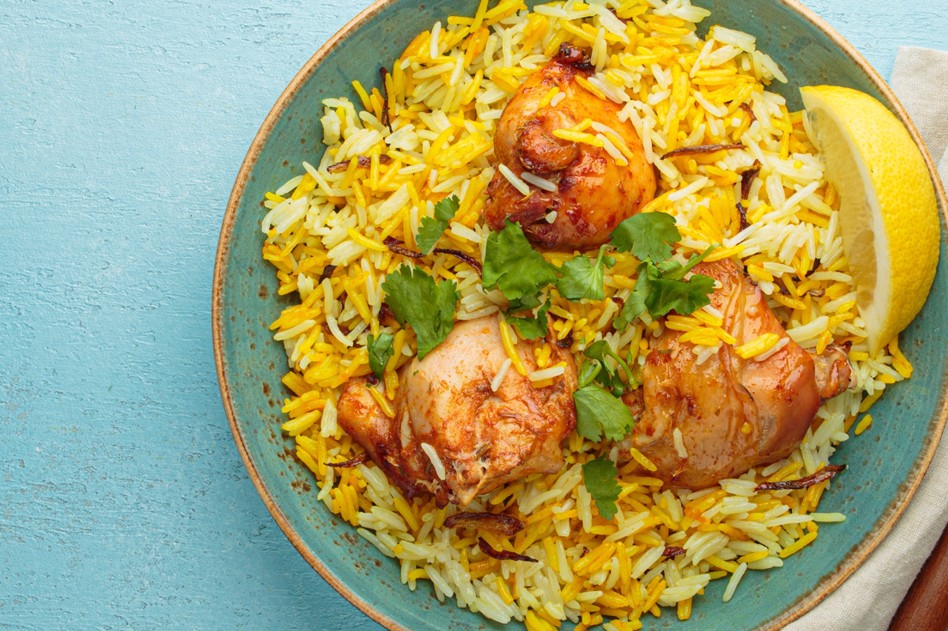
Food in Mombasa: What to Eat & Drink
Mombasa’s culinary landscape is a richly aromatic expression of Swahili Coast history, shaped by centuries of Indian Ocean trade, Arab and Persian influence, Indian subcontinental migration, and the daily bounty of the sea. As Kenya’s oldest city and principal port, Mombasa sits at the heart of Swahili cuisine—a sophisticated coastal food tradition built on coconut, spices, rice, seafood, and techniques exchanged across maritime trade routes linking East Africa, Arabia, Persia, and South Asia.
The city’s cuisine reflects its identity as a historic trading crossroads, where cardamom, cloves, cinnamon, and cumin arrived alongside Islam, rice cultivation, and new cooking methods. Coconut milk provides richness, tamarind and lime add brightness, and fresh seafood anchors nearly every menu. The result is a cuisine that is deeply spiced yet balanced, hearty yet tropical, and unmistakably coastal.
Local Specialities of Mombasa
Mombasa is famous for Biryani Ya Kuku, a fragrant rice dish cooked with chicken and layered spices, adapted over generations into a distinctly Swahili style that differs from Indian versions. Pilau, another cornerstone dish, is cooked with meat (often goat or beef) and a warming blend of cloves, cardamom, cumin, and black pepper.
Samaki Wa Kupaka is one of the coast’s signature dishes—grilled fish (typically snapper or kingfish) finished in a creamy coconut sauce with lime, garlic, and turmeric. Viazi Karai, boiled potatoes coated in spiced batter and deep-fried, are a beloved street snack. Mahamri (also known as mandazi) are lightly sweet, cardamom-scented coconut doughnuts, traditionally eaten with tea or Mbaazi (pigeon peas cooked in coconut milk). Mkate Wa Sinia, a layered, lightly sweet baked bread, is often served during Ramadan. Bhallia, made from spiced lentils, reflects Indian influence. Fresh prawns and crab are commonly grilled or cooked in coconut curries. Kachumbari, a fresh tomato, onion, chili, and lime salad, accompanies many meals.
Everyday Mombasa & Coastal Food
Breakfast in Mombasa often includes Mahamri with Mbaazi, sweet spiced tea (Chai), or Uji, a warm porridge made from millet or sorghum. Lunch is typically the main meal, centered on rice or Ugali served with fish, meat, or bean stews cooked in coconut sauce (Mchuzi Wa Nazi). Dinner may repeat similar dishes or focus on lighter preparations such as grilled seafood.
Seafood is eaten daily, from simple fried fish to richly spiced coconut curries. Coconut is the defining ingredient—used as milk, cream, oil, and grated flesh. Cassava (Muhogo) and cassava leaves are common staples. Tropical fruits such as mango, pineapple, passion fruit, and coconut are abundant. Street food plays a central role in daily life, offering affordable, intensely flavored snacks throughout the day. Mombasa’s hot, humid climate encourages dishes that balance spice with cooling acidity and richness.
Cultural Foundations: Swahili Roots, Indian & Arabian Influence
Mombasa’s cuisine is a living record of Indian Ocean exchange. Indigenous Bantu food traditions merged with Arab, Persian, Indian, and later Portuguese influences over more than a thousand years. Swahili cooks refined spice blends and coconut-based sauces that define the coast.
Indian communities—particularly from Gujarat and Goa—introduced biryani, samosas, bhajias, and chapati, all of which became firmly embedded in local food culture. Arab traders brought rice cultivation and meat-based rice dishes. The result is a uniquely Mombasan cuisine where Indian-origin dishes feel fully Swahili, Arab techniques coexist with African staples, and food reflects centuries of cultural layering rather than recent fusion.
Craft Beverage Scene and Local Libations
Mombasa’s beverage culture prioritizes refreshment suited to tropical heat, alongside traditional and modern alcoholic options. Fresh sugarcane juice (Mia Maji) pressed on the street is ubiquitous.
Tamarind juice (Ukwaju) offers a sweet-sour contrast, while Madafu—young coconut water—is drunk straight from the shell. Chai, brewed with milk, ginger, cardamom, and generous sugar, is central to daily social life and often served in small glasses (Vikombe). Local beers such as Tusker are widely consumed. Mnazi, palm wine tapped from coconut palms, is a traditional coastal alcoholic drink. What distinguishes Mombasa is its emphasis on fresh, natural beverages and the social ritual of tea.
International Dining and Contemporary Scene
While Swahili cuisine defines Mombasa’s identity, the city offers a broad international dining scene shaped by tourism and long-standing resident communities. Indian restaurants—ranging from casual eateries to refined dining—are excellent and deeply rooted. Coastal resorts and hotels serve international and pan-Asian cuisine.
European restaurants, particularly Italian, cater to tourists in beach areas such as Nyali and Diani. Despite these options, Mombasa’s culinary soul remains in local Kibandas (small eateries), street food stalls, and family-run Swahili restaurants in Old Town and Likoni. What defines dining here is the constant presence of coconut and spice—flavors that connect every meal to the Indian Ocean.
Food Customs and Practical Tips
Dining in Mombasa ranges from plastic chairs on the street to upscale hotel restaurants, with service generally relaxed and welcoming. Tipping is appreciated—5–10% is customary when service charge is not included. Eating with the right hand from shared dishes is traditional for local food, though cutlery is widely available.
Use chapati to scoop up coconut sauces, especially with Samaki Wa Kupaka. Street food is safe when stalls are busy and turnover is high. Visit Old Town and the area around Fort Jesus for authentic Swahili restaurants and atmospheric cafes. Always try the fresh juice of the day.
Explore different areas: Old Town for historic Swahili cuisine, Nyali and Bamburi for beachfront dining, and Kongowea Market for a raw, immersive food experience. Try both established restaurants and unmarked local joints. A guided Old Town food tour adds valuable cultural context. Expect heat—cooling drinks accompany most meals. Mombasa offers exceptional culinary value, particularly outside tourist zones. Above all, embrace Mombasa’s culinary spirit: food here is communal, historic, and inseparable from the Swahili Coast’s identity.
This guide covers what to eat in Mombasa, from biryani and samaki wa kupaka to mahamri, viazi karai, and coastal Swahili classics. Use it to plan your culinary exploration of Kenya’s coastal capital, where every meal carries the history of the Indian Ocean trade.
Check monthly weather averages for
Latest Secret Flying deals to Mombasa
🔥 LAST MINUTE: Non-stop from Katowice, Poland to Mombasa, Kenya for only €237 roundtrip
Non-stop, last minute flights from Katowice, Poland to Mombasa, Kenya for only €237 roundtrip.
View DealEuropean cities to Mombasa, Kenya from only €349 roundtrip
Cheap flights from European cities to Mombasa, Kenya from only €349 roundtrip.
View DealLAST MINUTE: Non-stop from Katowice or Warsaw, Poland to Mombasa, Kenya from only €335 roundtrip
Non-stop, last minute flights from Katowice or Warsaw, Poland to Mombasa, Kenya from only €335 roundtrip.
View Deal [adblockingdetector id="638efa67113bf"]