


Montevideo Food Guide
Food in Montevideo: What to Eat & Drink
Montevideo’s culinary landscape is a rich, soulful expression of Uruguay’s capital, where gaucho heritage, the bounty of the Río de la Plata and the Atlantic, and European immigrant traditions converge into a dining culture defined by a love of beef, rustic simplicity (cocina criolla), and an unmistakably communal spirit. As Uruguay’s political and cultural heart—shaped by cattle ranching, port-city commerce, and strong Spanish and Italian influence—Montevideo developed a food identity that is proudly traditional and quietly Mediterranean, organized around the rhythms of the asado (barbecue), the mercado (market), and long, unhurried meals shared with family and friends.
Core ingredients like grass-fed beef (novillo), lamb, pork, river and ocean fish (such as corvina and pescadilla), wheat (for bread and pasta), potatoes, squash, beans, local cheeses (queso colonia, muzzarella), dulce de leche, herbs (parsley, oregano, bay leaf), and olive oil form the foundation of the local table. Dishes tend to be bold, savory, and deliberately uncomplicated—built on mastery of live-fire grilling (parrilla), slow-simmered stews (guisos), and quality ingredients that speak for themselves. Montevideo’s geography—a city stretched along the Río de la Plata—ties it equally to pasture and water. From century-old neighborhood parrillas where the grill never goes cold to modern bistros refining local classics, eating here is a journey through fire, tradition, and shared plates.
Local Specialties of Montevideo
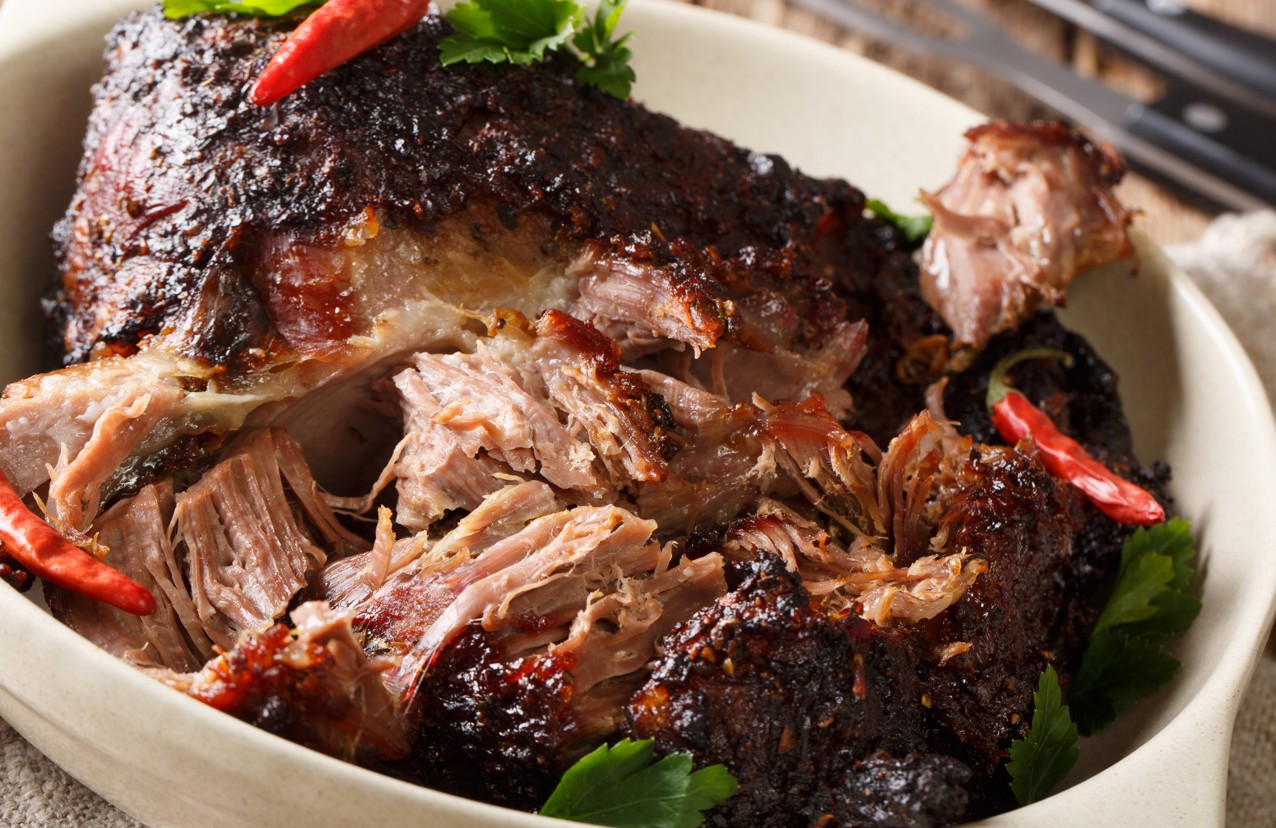
Montevideo’s most iconic dishes sit at the intersection of Uruguayan cocina criolla and immigrant influence. Asado is the national obsession: a slow, social ritual of grilling multiple cuts of beef (including tira de asado, or short ribs), sausages (chorizo, morcilla), and sometimes offal over wood or charcoal, served with simple sides and sharp, herb-forward condiments.
Chivito is Uruguay’s legendary sandwich: a thin steak filet topped with ham, mozzarella, tomato, lettuce, mayonnaise, olives, and often a fried egg, typically served with fries—an indulgent monument that locals take seriously. Milanesa (breaded cutlet of beef or chicken) is a staple, frequently ordered a la napolitana with ham, cheese, and tomato sauce.
Italian heritage runs deep in pasta casera (homemade pasta), and the tradition of eating ñoquis (gnocchi) on the 29th of each month for good luck remains widespread. Empanadas appear everywhere—baked or fried—most classically filled with seasoned ground beef (carne), but also cheese, ham, or seafood.
In colder months, puchero is a comforting staple: a hearty stew of beef, chicken, chorizo, corn, potatoes, squash, and beans. For dessert, dulce de leche is the national obsession—found in alfajores (cookie sandwiches), flan, pastries, or simply spread on bread. And no food culture summary is complete without maté, the ubiquitous herbal infusion carried in a gourd and shared through a metal straw (bombilla)—a daily ritual of connection.
Everyday Montevideo & Uruguayan Food
Breakfast is usually light: coffee with medialunas (croissants) or toast with dulce de leche. Lunch is typically the main meal and often appears as a set menú del día at a cantina or bodegón (soup, main, dessert). Dinner is late—rarely before 9 PM—and may be lighter, though grill culture remains central at all hours.
Daily eating revolves around a few institutions: the parrilla (grill restaurant), the cantina or bodegón (traditional tavern with home-style food), the pizzería (often serving pizza with fainá, chickpea flatbread), and the confitería (café-bakery). Meals are relaxed and social, bread is usually on the table, and service tends to be straightforward and friendly. Typical beverages include robust red wine (especially Tannat), beer, medio y medio (half white wine, half sparkling wine), and maté throughout the day.
Cultural Fusion: Gaucho & Criollo Foundations, European Immigration & Río de la Plata Identity
Montevideo’s culinary base begins with gaucho fire cooking and criollo stews—food built for sustenance and community. The most defining historical influences arrived from Spain (stews, cured meats, pastries) and, in enormous numbers, from Italy (pasta, pizza, gelato, and café culture).
Other European communities—French, German, Basque, and more—added nuance, while the shared Río de la Plata culture with Buenos Aires is evident in everything from grilling culture to pizzerías. The result is a city where a gaucho-style asado, a nonna’s hand-rolled pasta, a Spanish-influenced seafood dish, and pizza with fainá can comfortably coexist within a few blocks, unified by the ever-present gourd of maté.
Craft Beverage Scene and Local Libations
Montevideo’s beverage culture is proudly local and increasingly sophisticated. Maté is non-negotiable: a social and caffeine ritual shared among friends, family, and coworkers at all hours.
Uruguayan Tannat is the star wine—bold, structured, and ideal with grilled meat—and has earned strong international recognition. Medio y medio is a classic Montevideo refresher (part still white wine, part sparkling), served chilled. Grappamiel (grappa blended with honey) is a distinctive local spirit, while clericó is the regional answer to sangria: wine punched with fruit.
Craft beer has expanded rapidly, with numerous microbreweries and taprooms. What distinguishes Montevideo, however, is the daily visibility of its maté culture—people strolling the Rambla with thermoses and gourds in hand, a seamless blend of old ritual and modern routine.
International Dining and Contemporary Scene
While tradition dominates, Montevideo has a growing international and contemporary dining scene, particularly in neighborhoods like Pocitos and Punta Carretas. You’ll find modern Argentine restaurants, Peruvian cevicherías, Spanish-style tapas bars, and chef-driven fusion bistros.
A modern Uruguayan movement is reinterpreting cocina criolla with new techniques and presentations, often spotlighting local produce, seafood, and heritage cuts. Still, the city’s everyday dining soul lives in timeless parrillas, bodegones, and pizzerías. For visitors, the appeal is the comforting duality: the enduring ritual of asado alongside a quietly evolving, chef-led scene.
Food Customs and Practical Tips
Dress is generally casual but neat. Tipping around 10% is customary and appreciated. Dining hours run late: lunch is typically 1–3 PM, and dinner rarely starts before 9 PM. Reservations are wise for popular parrillas on weekends.
For the classic experience, eat at a traditional neighborhood parrilla and order a mixed grill to understand the rhythm of Uruguayan fire cooking. Try a chivito completo at a trusted spot, and if you visit the Mercado del Puerto, treat it as a lively, iconic atmosphere (often touristy, but still memorable). If you happen to be in town on the 29th, look for ñoquis (gnocchi day). Spend an afternoon in a confitería for coffee and pastries, and explore the Rambla with locals—thermos and maté culture included.
Explore different areas: Ciudad Vieja for historic markets and classic bodegones; Pocitos for modern cafés and seaside dining; Punta Carretas for upscale restaurants and wine bars; and Parque Rodó and Cordón for local favorites and a more everyday rhythm. Expect meat-forward menus and generous portions, and note that Montevideo often offers strong value for quality. Most importantly, embrace the city’s culinary spirit: sincere, social, and built around the shared rituals of fire, pasta, and maté—true Río de la Plata comfort on a plate.
This guide covers what to eat in Montevideo, Uruguay, from asado and chivito to maté, dulce de leche, and Tannat wine. Use it to plan your culinary journey into the heart of Uruguayan culture and cuisine.
Check monthly weather averages for
Latest Secret Flying deals to Montevideo
Rio de Janeiro, Brazil to Montevideo, Uruguay for only $163 USD roundtrip
Non-stop flights from Rio de Janeiro, Brazil to Montevideo, Uruguay for only $163 USD roundtrip.
View DealMiami to South American cities from only $271 roundtrip
Cheap flights from Miami to South American cities from only $271 roundtrip with Copa Airlines.
View DealFort Lauderdale to Montevideo, Uruguay for only $460 roundtrip
Cheap flights from Fort Lauderdale to Montevideo, Uruguay for only $460 roundtrip with Copa Airlines.
View Deal [adblockingdetector id="638efa67113bf"]