


Montreal Food Guide
Food in Montreal: What to Eat & Drink
Montreal’s culinary landscape is a vibrant and soulful expression of French-Canadian joie de vivre, layered with centuries of immigrant traditions and driven by a fiercely independent creative spirit. Together, these influences have shaped one of North America’s most dynamic and distinctive food destinations. As the cultural capital of Quebec, Montreal has developed a cuisine that blends old-world charm with new-world innovation, informed by its Francophone roots, long winters, history as a trading hub, and successive waves of immigration. The result is a food culture that celebrates both hearty, survival-driven cooking and refined culinary artistry, where traditional dishes remain deeply rooted in Quebec’s terroir while continuously evolving through a globally minded dining scene.
Core ingredients such as pork, duck, maple syrup, cheese curds, potatoes, and hardy root vegetables form the backbone of traditional Montreal cooking. Dishes are often rich and comforting, reflecting a cuisine shaped by cold winters and the need for sustenance, while also showcasing French techniques adapted to New World ingredients. Montreal’s position as an island in the Saint Lawrence River, combined with its dramatic continental climate, dictates a strongly seasonal food calendar—preserving summer’s bounty for the long winter, then bursting into celebration as soon as warmer weather arrives. From humble casse-croûtes in working-class neighborhoods to internationally acclaimed fine-dining institutions, the city offers a culinary journey that feels both deeply rooted and unmistakably cosmopolitan.
Local Specialities of Montreal
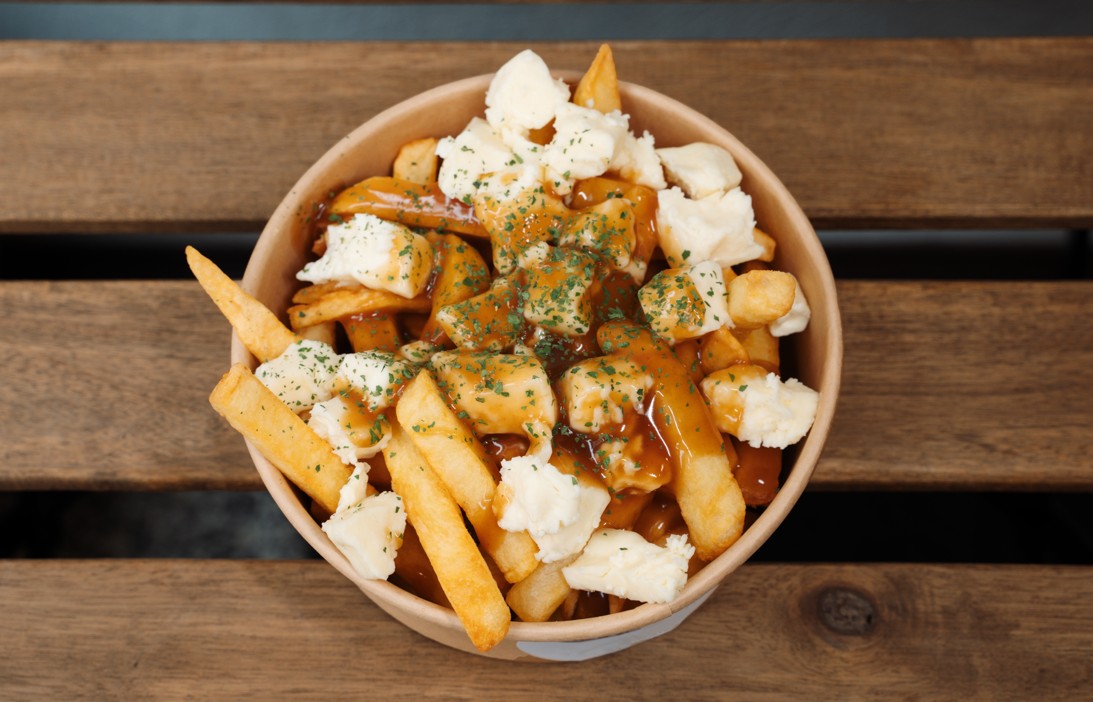
Montreal is internationally renowned for its smoked meat: brisket that is cured, heavily spiced, smoked, and steamed until meltingly tender, then served on rye bread with mustard. Equally iconic is poutine, Quebec’s national dish, made from hot fries topped with fresh cheese curds and covered in rich brown gravy—a deceptively simple dish that inspires fierce local loyalty.
Montreal-style bagels are another defining specialty. Smaller, denser, slightly sweet, and baked in wood-fired ovens, they are distinctly different from their New York counterparts. Tourtière, a savory meat pie traditionally associated with the holidays, reflects the city’s French-Canadian heritage and is typically made with pork, veal, and warming spices. Other classics include fèves au lard, baked beans slow-cooked with pork and maple syrup; cretons, a spiced pork spread served on toast; and pouding chômeur, a humble cake baked directly in hot maple syrup or caramel sauce. Maple syrup itself appears in countless forms, from taffy poured over snow to glazes and desserts, while the guédille—a lobster or seafood salad served in a split-top bun—adds a coastal note to the local repertoire.
Everyday Montreal & Québécois Food
Breakfast in Montreal is often simple but satisfying, ranging from a freshly baked bagel with cream cheese to heartier plates featuring eggs, baked beans, and toast. Lunch tends to be quick and casual, with smoked meat sandwiches, poutine, or café-style soups and sandwiches being common choices. Dinner varies widely, from comforting home-cooked stews to evenings spent exploring the city’s extensive bistro and restaurant scene.
Pork appears frequently in everyday cooking, whether as bacon, sausages, or roasts, while potatoes are ever-present in countless forms. Cheese is deeply cherished, particularly fresh cheddar curds and an expanding range of local artisanal cheeses. The dépanneur, or corner convenience store, plays an essential cultural role as a go-to stop for snacks and drinks. Café culture is equally ingrained, with outdoor terraces filling up at the first hint of sunshine. Montreal’s extreme seasons heavily influence eating habits: winter favors hearty, calorie-rich meals and preserved foods, while summer brings an exuberant celebration of fresh produce, festivals, and outdoor dining.
Cultural Fusion: French-Canadian Foundations and a Global Tapestry
At its core, Montreal’s cuisine is built on a 17th-century French settler foundation adapted to a challenging northern climate, giving rise to preserved meats, robust pies, and maple-based sweets. In the late 19th and early 20th centuries, Jewish immigrants from Eastern Europe left an indelible mark on the city’s food culture, introducing smoked meat and bagel traditions that have become central to Montreal’s culinary identity.
Later waves of Italian, Portuguese, Greek, Haitian, Vietnamese, and Middle Eastern immigrants further enriched the city’s food landscape, creating vibrant neighborhood dining scenes. As a result, it is entirely possible to enjoy a French-inspired tourtière, a Jewish-deli smoked meat sandwich, and Portuguese-style grilled chicken all in one day. Montreal’s food culture embodies both la survivance (resilience) and la fête (celebration): practical, joyful, and deeply communal.
Craft Beverage Scene and Local Libations
Montreal’s beverage culture is as dynamic as its food scene, anchored by an exceptional craft beer tradition, a strong appreciation for wine, and a flourishing cocktail movement. The city boasts one of the highest concentrations of microbreweries and brewpubs in North America, making it a true paradise for beer enthusiasts.
Quebec cider, particularly ice cider made from apples frozen on the vine, is a source of local pride, as are sparkling and traditional styles. Cocktails often showcase regional spirits infused with local flavors such as maple, while café culture remains a serious and cherished ritual. Wine bars specializing in natural and organic wines are widespread and popular, and the tradition of cinq à sept—after-work drinks—fuels a lively and social bar scene throughout the city.
International Dining and the Contemporary Scene
While Québécois classics define Montreal’s culinary identity, the city is also a truly global dining destination. Immigrant communities ensure exceptional Italian, Portuguese, Vietnamese, Haitian, and Middle Eastern cuisine, often clustered in distinct neighborhoods.
At the same time, modern Canadian fine dining continues to evolve, with chefs reinterpreting local ingredients through inventive and refined techniques. Vegetarian and vegan cooking is particularly strong, reflecting the city’s progressive outlook. Despite this internationalism, Montreal’s soul remains firmly rooted in its no-frills institutions: the smoked meat deli, the bagel bakery, and the casse-croûte serving poutine. What sets Montreal apart is its lack of pretension paired with consistently high quality—a city where world-class meals are enjoyed casually and culinary tradition is both respected and playfully reinvented.
Food Customs and Practical Tips
Dining in Montreal is relaxed, social, and often extends late into the evening. Service in traditional establishments may be brisk and straightforward, while higher-end restaurants typically offer polished hospitality. Tipping is customary, with 15 percent considered standard and 18 to 20 percent appropriate for excellent service.
When ordering poutine, always look for fresh, squeaky cheese curds, as they are essential to the dish. For smoked meat, it is customary to specify your preferred cut, ranging from lean to fatty. Visitors are encouraged to sample offal dishes, which remain part of the traditional culinary repertoire. The city’s public markets, particularly Jean-Talon Market and Atwater Market, are essential stops for experiencing local food culture at its most vibrant.
Exploring different neighborhoods enhances the experience: the Plateau offers classic bagels, bistros, and eclectic dining; Mile End is known for cafés, smoked meat, and multicultural fare; Little Italy centers around coffee, pasta, and market culture; and Old Montreal combines historic settings with refined dining. Food tours, especially in Mile End or at Jean-Talon Market, provide valuable insight into the city’s culinary heritage. During winter, the underground pedestrian network allows easy access to restaurants without exposure to the cold. Montreal offers outstanding culinary value across all price points, and above all, it invites visitors to embrace a food culture rooted in pleasure, community, and a proudly Québécois identity that remains open to the world.
This guide covers what to eat in Montreal, from smoked meat and poutine to bagels, tourtière, and classic Québécois specialties. Use it to plan a culinary exploration of Canada’s most European and exciting food city.
Check monthly weather averages for
Latest Secret Flying deals to Montreal
Non-stop from Paris, France to Montreal, Canada for only €357 roundtrip
Non-stop flights from Paris, France to Montreal, Canada for only €357 roundtrip.
View Deal
Non-stop from Phoenix, Arizona to Montreal, Canada for only $294 roundtrip
Non-stop flights from Phoenix, Arizona to Montreal, Canada for only $294 roundtrip with Air Canada.
View Deal [adblockingdetector id="638efa67113bf"]