


Nairobi Food Guide
Food in Nairobi: What to Eat & Drink
Nairobi’s culinary landscape is a dynamic and compelling fusion of Kenya’s diverse tribal traditions, colonial legacies, and its role as East Africa’s fastest-growing economic and cultural hub. It is one of the continent’s most exciting and rapidly evolving food cities. Born from a railway depot, Nairobi’s food culture is fundamentally a story of convergence, where the hearty staples of the Kikuyu, Maasai, and Luo intersect with coastal Swahili flavors, British institutional influences, and a vibrant influx of Indian, Ethiopian, and global cosmopolitan cuisines. Shaped by its high-altitude climate, its position as a gateway to East African safaris, and its youthful, entrepreneurial energy, Nairobi’s cuisine today is both proudly traditional and boldly innovative, ranging from roadside roast maize to refined contemporary dining.
Core ingredients such as maize, beans, potatoes, kale (sukuma wiki), meat—particularly beef and goat—bananas, and dairy underpin Kenyan everyday cooking, while Nairobi’s cosmopolitan nature ensures that ingredients from across the world are readily available. Dishes tend to emphasize comfort, generosity, and bold flavors, with grilling at the heart of social eating. Nyama choma, the Kenyan style of open-fire barbecue, functions as both food and social ritual. Nairobi’s position between the coast and fertile agricultural highlands allows it to blend the coconut-and-spice profile of Swahili cuisine with the fresh produce of the Rift Valley. From smoky roadside grills in informal neighborhoods to elegant rooftop restaurants in Westlands, the city offers a vivid culinary snapshot of modern Africa.
Local Specialities of Nairobi
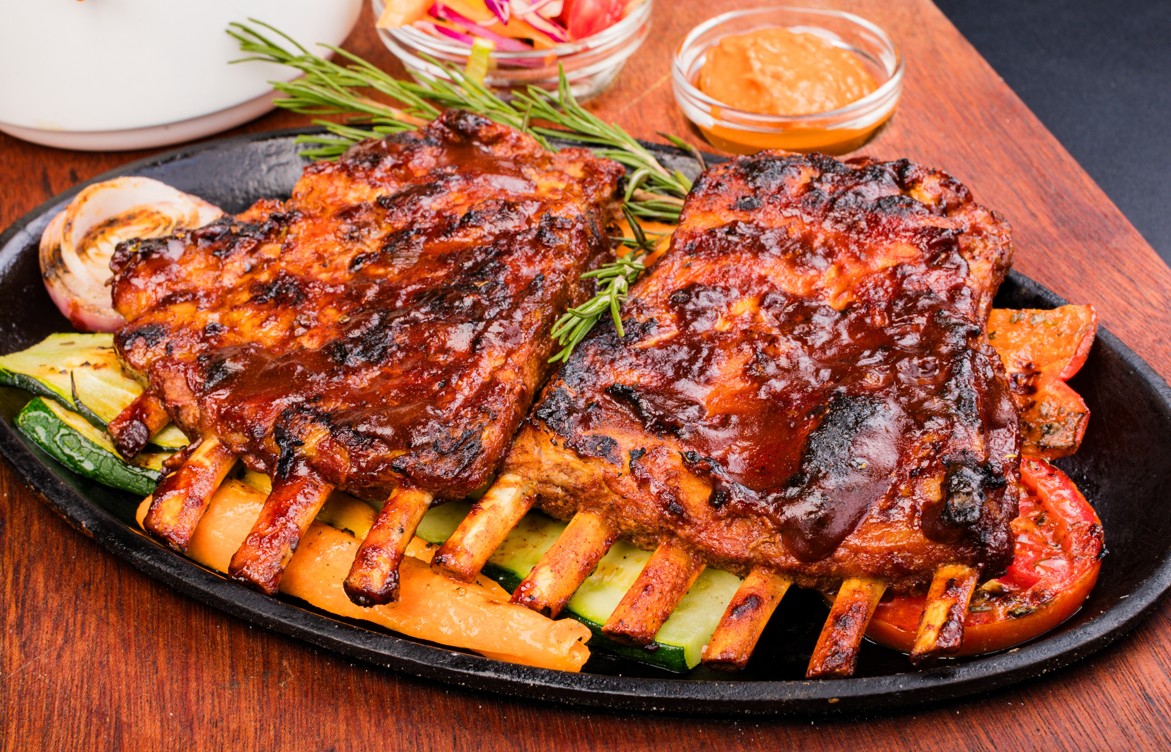
Nairobi is widely regarded as the capital of nyama choma, Kenya’s national dish of charcoal-grilled meat, most commonly goat or beef. The meat is roasted slowly until smoky and tender, then served simply with salt, kachumbari (a fresh tomato and onion salad), and ugali.
Ugali is the country’s essential staple, a dense maize porridge used to scoop up stews, vegetables, and sauces. Pilau, a fragrant spiced rice dish cooked with meat, reflects coastal Swahili and Indian influences. Sukuma wiki, meaning “push the week,” is a daily accompaniment made from kale or collard greens sautéed with onions and tomatoes. Githeri, a hearty stew of maize and beans, is a traditional Kikuyu comfort food. Mutura, a boldly flavored sausage made from meat, blood, and offal, is grilled and sold by street vendors. Mandazi, lightly sweet, cardamom-scented doughnuts, are a common snack, while chapati—flaky flatbreads of Indian origin—have become firmly embedded in Kenyan cuisine. Indian-Kenyan snacks such as samosas and bhajia are ubiquitous, and Kenyan-style chicken curry tends to be richer and more tomato-forward than its Indian counterpart. Fresh tropical fruit, including mangoes, pineapples, passion fruit, and avocados, is abundant, affordable, and exceptionally good.
Everyday Nairobi & Kenyan Food
Breakfast in Nairobi is often simple, typically tea served with mandazi or bread, though more substantial plates with eggs, sausage, and baked beans are also common. Lunch is usually the main meal of the day, centered around a protein served with ugali or rice, sukuma wiki, and a bean or meat stew. Dinner may mirror lunch or become a social affair focused on nyama choma, especially when shared with friends.
Chai, strong and sweet with plenty of milk, is consumed throughout the day and forms an essential part of daily life. Street food culture is vibrant, with vendors selling roasted maize, mutura, samosas, and fresh fruit. Butcheries that double as nyama choma joints are central to Nairobi’s food culture: customers select meat by weight, which is then grilled on the spot. The city’s fast pace has also produced countless small eateries, known as hotelis, offering affordable plate lunches. Nairobi’s mild climate encourages outdoor, communal dining, reinforcing food’s role as a social connector.
Cultural Fusion: Bantu Roots, Indian and British Influence, Pan-African Energy
Nairobi’s cuisine is rooted in the agricultural and pastoral traditions of Kenya’s Bantu communities, such as the Kikuyu, and Nilotic groups like the Luo. The arrival of Indian laborers during the construction of the railway introduced spices, flatbreads, and snacks that were quickly absorbed into everyday Kenyan eating.
British colonial rule left its mark through baking traditions, certain vegetables, and formal dining customs. After independence, Nairobi emerged as a magnet for people from across Africa, bringing Ethiopian, Congolese, and West African flavors into the city’s kitchens. The result is a distinctly Nairobian food culture in which githeri, pilau, chapati, and Western-style desserts can comfortably coexist. This spirit reflects the concept of Harambee, or pulling together, making Nairobi’s cuisine communal, adaptive, and constantly evolving.
Craft Beverage Scene and Local Libations
Nairobi’s beverage culture ranges from everyday staples to an increasingly sophisticated craft scene. Chai is the national drink, served everywhere in a strong, sweet, milky style.
Kenyan coffee is internationally prized for its bright acidity, and while much of the highest-quality harvest is exported, enjoying it locally in Nairobi’s cafés is a highlight. Tusker lager is the country’s most iconic beer, joined by other popular local brands. The cocktail known as dawa, made from vodka, honey, lime, and sugar, is a Nairobi favorite. Fresh juice stalls are ubiquitous, blending tropical fruits to order. Traditional fermented drinks such as muratina and busaa are still consumed in certain communities. At the same time, Nairobi’s craft beer and cocktail scene is growing quickly, with local breweries and creative bars gaining loyal followings. What sets the city apart is its combination of excellent coffee culture and the social ritual of sharing a cold beer alongside nyama choma.
International Dining and Contemporary Scene
While Kenyan food forms the backbone of the city’s identity, Nairobi’s role as a diplomatic and commercial center has created one of Africa’s most diverse international dining scenes. Ethiopian cuisine is especially popular, alongside a wide range of Indian restaurants, from vegetarian Gujarati kitchens to rich Punjabi grills. Italian, Chinese, Japanese, and Middle Eastern restaurants are also well represented.
Modern African fine dining is among Nairobi’s most exciting culinary developments, with chefs reinterpreting local ingredients in refined and creative ways. Despite this polish, some of the most memorable food experiences remain in open-air markets, roadside nyama choma spots, and modest hotelis. Nairobi’s dining scene thrives on contrast, balancing raw authenticity with ambitious, contemporary innovation.
Food Customs and Practical Tips
Dining in Nairobi is generally relaxed and sociable, though service can move at a leisurely pace. In restaurants, tipping around 5 to 10 percent is customary. Ugali and stews are often eaten with the right hand, using the ugali to scoop food.
At a nyama choma spot, you typically choose your meat from a counter, pay by weight, and wait while it is grilled. Busy street food stalls are usually the safest option for sampling local snacks. Visiting markets such as City Market or the Maasai Market provides insight into local produce, spices, and street foods. Fresh avocado, often served simply as a side, is a must-try.
Exploring different neighborhoods enhances the experience. Westlands and Kilimani are known for upscale international dining and nightlife, the CBD offers bustling local lunch spots and long-established Indian restaurants, while Karen and Lavington feature relaxed cafés and neighborhood eateries. Balance a classic nyama choma meal with a contemporary African tasting menu, and consider a guided food tour to navigate the city’s diversity confidently. Stick to bottled or filtered water. Nairobi offers excellent value, particularly for local food and fresh produce. Above all, embrace the city’s culinary spirit: fearless, communal, and reflective of the optimism and hybrid energy of a capital on the rise.
This guide covers what to eat in Nairobi, from nyama choma and ugali to pilau, sukuma wiki, and classic Kenyan specialties. Use it to plan your culinary exploration of East Africa’s vibrant and flavor-rich capital.
Check monthly weather averages for
Latest Secret Flying deals to Nairobi
Vienna, Austria to Nairobi, Kenya for only €374 roundtrip
Cheap flights from Vienna, Austria to Nairobi, Kenya for only €374 roundtrip.
View DealAmsterdam, Netherlands to Nairobi, Kenya for only €420 roundtrip
Cheap flights from Amsterdam, Netherlands to Nairobi, Kenya for only €420 roundtrip.
View Deal🔥 Istanbul, Turkey to Nairobi, Kenya for only €286 roundtrip
Cheap flights from Istanbul, Turkey to Nairobi, Kenya for only €286 roundtrip.
View Deal [adblockingdetector id="638efa67113bf"]