


Omaha Food Guide
Food in Omaha: What to Eat & Drink
Omaha’s culinary landscape is a robust and deeply satisfying expression of America’s agricultural heartland, a city where cattle, corn, and community come together to create a food culture defined by quality, generosity, and Midwestern hospitality. As the largest city in Nebraska and a historic meatpacking capital, Omaha has developed a food identity that is proudly meat-forward, rooted in its “Beef State” heritage, yet increasingly sophisticated and diverse.
Shaped by its position along the Missouri River, its legacy as a railroad and stockyards hub, and a strong immigrant tradition, Omaha’s cuisine blends classic steakhouses with innovative farm-to-table restaurants and vibrant ethnic neighborhoods. The result is a dining scene that feels both timeless and quietly evolving, where unpretentious generosity is as important as the food itself.
Core ingredients such as corn-fed beef, pork, corn in many forms, potatoes, dairy, and wheat underpin Omaha’s traditional cooking. Dishes are defined by substantial portions, confident grilling and roasting, and a comforting, deeply filling quality that reflects the region’s hardworking ethos. Omaha’s location on the edge of the Great Plains provides access to some of the world’s best beef and grains, while its identity remains closely tied to the Union Pacific Railroad and the once-mighty stockyards that processed more meat than anywhere else on earth. From historic steakhouses in the Old Market to modern bistros in Blackstone, Omaha offers a culinary journey through the heart of America’s breadbasket.
Local Specialities of Omaha
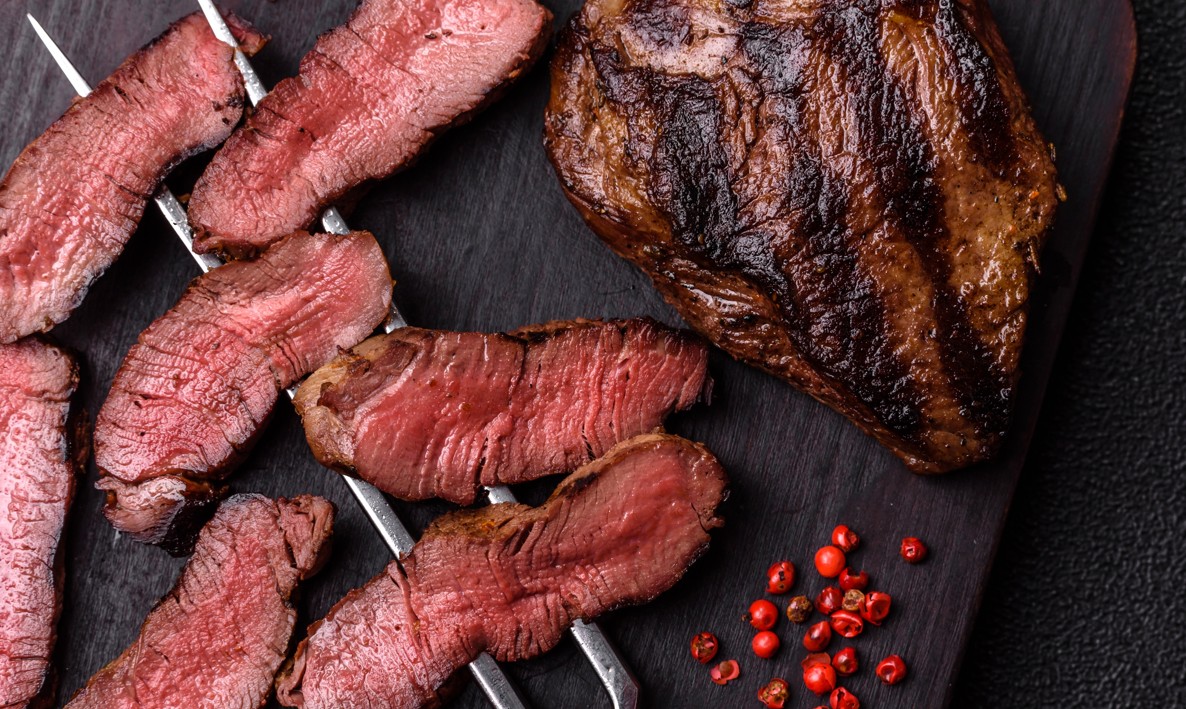
Omaha is internationally known for its steak culture, particularly the bone-in Omaha strip and well-aged ribeye, grilled simply and served in classic, old-school steakhouses that function as local institutions. Another defining dish is the Reuben sandwich, widely claimed to have been invented in Omaha, combining corned beef, Swiss cheese, sauerkraut, and Russian dressing on grilled rye bread.
Runza is a uniquely Nebraskan specialty, consisting of a yeast dough pocket filled with seasoned ground beef, cabbage, and onions, and is both a fast-food staple and a source of regional pride. Omaha-style chili is often thinner and bean-less, frequently served over spaghetti and sometimes accompanied by a cinnamon roll, a combination that may seem unusual but remains deeply beloved.
Prime rib is a staple centerpiece at many steakhouses and supper clubs, while Czech and German pastries such as kolaches and kuchen reflect the city’s strong Central European immigrant roots. The pork tenderloin sandwich, featuring a pounded-thin, breaded, and fried cutlet that often extends well beyond the bun, is another Midwestern classic. Freshwater fish like catfish and walleye from the Missouri River appear on many menus, and Omaha’s growing craft beer scene has become an increasingly important part of the city’s food identity.
Everyday Omaha and Nebraskan Food
Everyday eating in Omaha tends toward the hearty and practical. Breakfast often includes eggs, bacon, hash browns, or even a breakfast steak. Lunch is commonly a sandwich such as a Reuben or pork tenderloin, a burger, or a business lunch centered around beef. Dinner is the main event and frequently revolves around a high-quality cut of steak, whether prepared at home or enjoyed at a restaurant.
Beef is more than a menu item; it is a point of civic pride and is consumed with both frequency and discernment. Potatoes appear in countless forms, from fries to casseroles, while corn is served on the cob, baked into bread, or presented as a sweet side. Local dairy products are rich and widely used. The Midwestern supper club tradition remains alive, offering structured meals with relish trays, salads, hearty entrées, and dessert. Meals are social, generous, and rarely fussy, reflecting Omaha’s grounded, welcoming character.
Cultural Fusion: European Immigration, Stockyard Legacy, and Modern Diversity
Omaha’s cuisine grew out of the meatpacking industry, which attracted workers from across Europe in the late nineteenth and early twentieth centuries. Czech, German, Italian, Greek, and Lithuanian immigrants brought baking traditions, sausage-making techniques, and family recipes that blended naturally with the region’s abundant meat and dairy.
The closure of the stockyards in the late 1990s marked the end of a defining industrial era but reinforced Omaha’s enduring connection to beef. More recent waves of immigration from Latin America, Southeast Asia, particularly Vietnam, and parts of Africa have added vibrant new layers to the city’s food culture. This creates a uniquely Omahan dining experience where a Czech kolache, a Reuben sandwich, Vietnamese pho, and a world-class steak can all be enjoyed in the same day, reflecting a city that balances its blue-collar past with a diverse and dynamic present.
Craft Beverage Scene and Local Libations
Omaha’s beverage culture is well developed, anchored by a strong craft beer scene and supported by a growing craft spirits movement, while still honoring classic Midwestern drinking traditions. Local breweries and taprooms produce a wide range of styles, from hop-forward IPAs to rich, malty stouts, and serve as important social gathering spaces.
Local distilling has expanded as well, with Nebraska-made spirits gaining wider recognition. Coffee culture is solid and growing, supported by respected local roasters and cafés. Classic cocktails, particularly the Old Fashioned, remain staples in steakhouses and bars, and sweet tea is commonly available. What distinguishes Omaha is the enthusiasm and quality of its local beer scene and the enduring ritual of pairing a strong drink with a perfectly cooked steak.
International Dining and Contemporary Scene
Although beef dominates Omaha’s culinary reputation, the city’s diverse population supports a surprisingly strong international dining scene. Vietnamese cuisine is particularly notable in South Omaha, alongside authentic Mexican taquerías and a growing number of Ethiopian, Greek, and Italian restaurants.
Modern American and New Midwestern cooking has gained momentum in neighborhoods such as the Blackstone District and Midtown Crossing, where chefs emphasize hyper-local sourcing and seasonal creativity that extends well beyond steakhouse fare. Even so, Omaha’s culinary soul remains rooted in its historic steakhouses, classic diners, and iconic sandwich shops. The city’s food scene tells a clear story of honoring foundational industries while confidently embracing diversity and innovation.
Food Customs and Practical Tips
Dining in Omaha is generally relaxed and approachable, even in high-end steakhouses where casual attire is common. Service tends to be friendly and efficient, and tipping between eighteen and twenty percent is standard. Portion sizes are generous, so sharing dishes or planning for leftovers is often wise.
A visit is incomplete without trying a steak from a local institution, ordered simply and cooked to preference. Sampling a Reuben allows visitors to weigh in on its debated origins, while trying a Runza offers a distinctly regional experience. The Old Market district is ideal for historic atmosphere and a concentration of long-standing restaurants.
Exploring different neighborhoods reveals the breadth of Omaha’s food culture. The Old Market combines historic charm with classic dining, the Blackstone District is the epicenter of contemporary restaurants and nightlife, South Omaha offers exceptional Mexican and Vietnamese cuisine rooted in immigrant history, and Benson provides a mix of music venues, dive bars, and eclectic eateries. Balancing a legendary steakhouse with a modern farm-to-table bistro captures Omaha at its best. Expect generous use of butter and cream, and enjoy the excellent value that high-quality ingredients and thoughtful cooking provide. Above all, Omaha’s culinary spirit is genuine, generous, and deeply tied to the land, offering one of the most satisfying expressions of the American heartland.
This guide covers what to eat in Omaha, from steak and Reubens to Runzas, Omaha-style chili, and classic Nebraskan specialties, helping you plan a rewarding culinary exploration of a city that has long helped feed America.
Check monthly weather averages for
Latest Secret Flying deals to Omaha
San Francisco to Omaha (& vice versa) for only $96 roundtrip (Sep-Nov dates)
Cheap flights from San Francisco to Omaha for only $96 roundtrip with Delta Air Lines. Also works in reverse.
View DealSUMMER: Non-stop from Phoenix, Arizona to Omaha (& vice versa) for only $48 roundtrip (Jun-Nov dates)
Non-stop, summer flights from Phoenix, Arizona to Omaha for only $48 roundtrip with Delta Air Lines. Also works in reverse.
View DealEuropean cities to Canada or the USA from only €285 roundtrip
Star Alliance airlines have put many Europe to Canada or the USA routes on sale.
View Deal [adblockingdetector id="638efa67113bf"]