


Oslo Food Guide
Food in Oslo: What to Eat & Drink
Oslo’s culinary landscape is a clean, modern, and nature-centric expression of New Nordic philosophy, where ancient preservation methods meet world-leading sustainability and a deep reverence for the forests and fjords surrounding the city. As the capital of Norway and the center of its cultural and economic life, Oslo has developed a food culture inseparable from its environment, celebrating pristine seafood, wild game, foraged berries, and an ethos that prioritizes purity, seasonality, and ethical sourcing.
Shaped by a long coastline, vast forests, and centuries of seafaring and subsistence living, Oslo’s cuisine reflects a tradition of making the most of short summers and long winters. At the same time, the city’s identity as a prosperous, design-forward metropolis has helped produce a dining scene that is polished yet restrained, sophisticated yet grounded. The result is a contemporary cuisine that feels like a conversation between nature’s larder and modern technique, where minimalism is not a lack of ambition but a deliberate pursuit of clarity and balance.
Core ingredients such as salmon, cod, herring, lamb, elk, reindeer, root vegetables, berries such as lingonberries and cloudberries, and rich dairy products form the foundation of Norwegian cooking. Flavors tend to be clean and direct, with minimal but precise seasoning, and a strong reliance on techniques such as curing, smoking, drying, and fermenting that have preserved harvests for generations. Oslo’s geography, set at the head of the Oslofjord and bordered by the Marka forest, offers access to fjord-caught fish and wild ingredients, while its modern café culture and stylish restaurants reflect contemporary Scandinavian values. From rustic lodges serving game stews to ambitious tasting menus built around foraged plants, Oslo offers a culinary journey through Norway’s edible landscape.
Local Specialities of Oslo
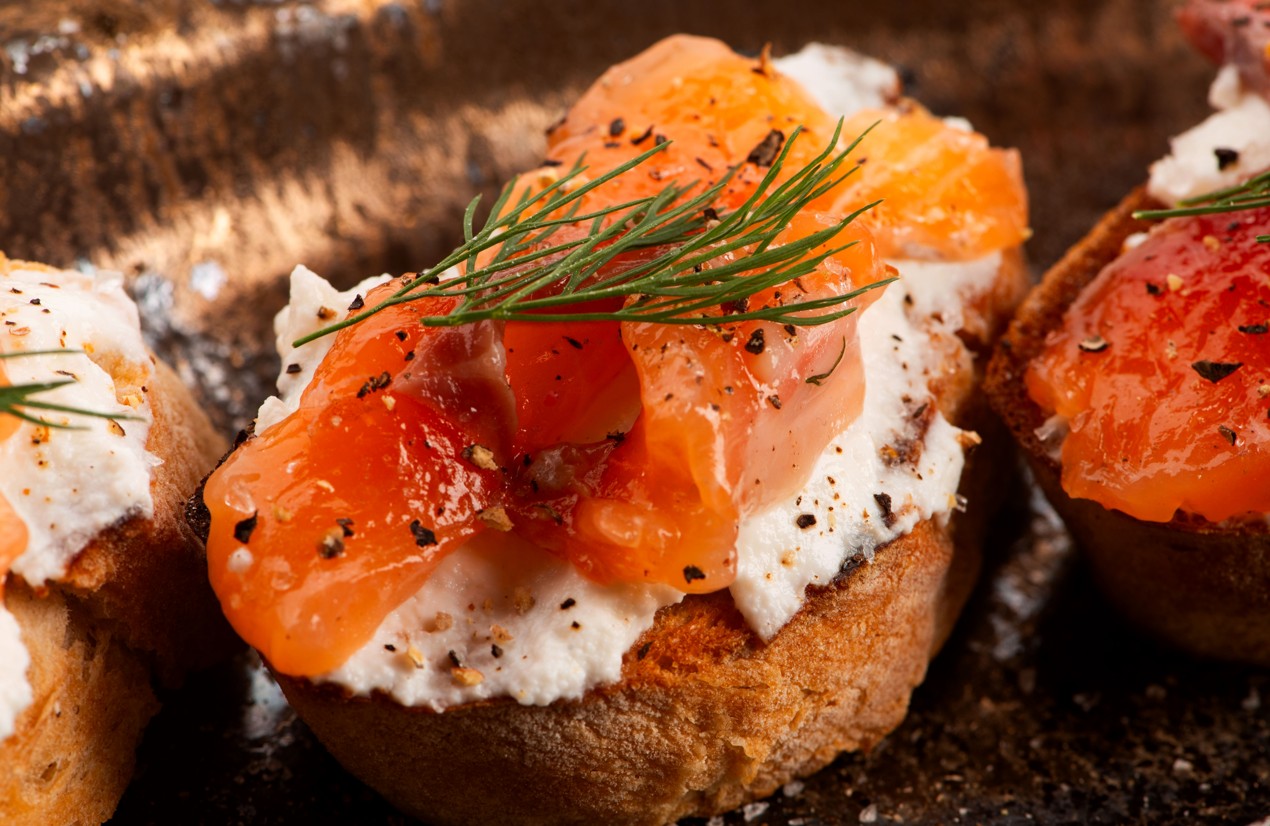
Oslo is a premier destination for Norwegian salmon, served as gravlaks cured with dill, sugar, and salt, as smoked salmon, or simply grilled to highlight its natural richness. Brunost, the distinctive Norwegian “brown cheese,” is another hallmark, made from whey and known for its caramel-like sweetness. It is commonly sliced onto bread and waffles and is a defining flavor of everyday Norwegian life.
Koldtbord is the Norwegian counterpart to a smorgasbord, featuring a generous spread of cold and warm dishes such as herring, cured meats, cheeses, salads, and breads. Fårikål, often considered Norway’s national dish, is a comforting autumn stew of lamb and cabbage seasoned with peppercorns. Pinnekjøtt, salted, dried, and sometimes smoked lamb ribs steamed over birch branches, is a traditional Christmas staple, while rakfisk, fermented trout served with flatbread and sour cream, remains one of Norway’s most polarizing and historically rooted delicacies.
Reindeer and elk, sometimes served as steaks but frequently enjoyed in stews or cured preparations, reflect Norway’s connection to the forests and northern landscapes. Lutefisk, dried cod treated with lye, is another traditional holiday dish with a strong cultural presence. Norwegian waffles, thin and heart-shaped, are typically served with brunost, jam, or sour cream, and cloudberry jam, made from prized amber-colored berries, is a classic accompaniment to desserts and pancakes.
Everyday Oslo and Norwegian Food
Breakfast, or frokost, often consists of open-faced sandwiches on dense rye bread topped with cheese, cold cuts, fish, or egg. Lunch is similar, sometimes lighter, though warm meals are increasingly common in workplaces and cafés. Dinner, or middag, is typically the main hot meal and often centers on fish or meat served with boiled potatoes and a simple vegetable side.
Bread, especially dark rye, is a staple across meals, and potatoes remain the ubiquitous starch. Fish, particularly cod and salmon, is eaten frequently, and dairy plays an important role through cheeses, butter, and cultured products. Coffee culture is exceptionally strong, supported by the tradition of kaffepause, the coffee break that punctuates the day. The concept of friluftsliv, or open-air life, also influences eating habits, with packed lunches and portable snacks being common for hikes and ski trips. In general, eating in Oslo tends to be healthy, ingredient-driven, and increasingly supportive of plant-based options, especially in contemporary cafés and casual restaurants.
Cultural Fusion: Preservation Heritage, Lutheran Restraint, and the New Nordic Movement
Oslo’s traditional cuisine grew out of necessity. Techniques such as drying, salting, curing, and fermenting were essential to survive harsh winters and were refined over centuries into an enduring culinary identity. A cultural tradition of restraint and practicality kept flavors clean and preparations straightforward, emphasizing the inherent quality of ingredients rather than elaborate seasoning.
In the twenty-first century, the New Nordic movement found strong momentum in Oslo, revitalizing interest in local, wild ingredients and traditional methods while presenting them through modern technique and a sustainability-first mindset. This has created a contemporary Oslo table where preserved fish, classic stews, and refined plates built from foraged plants can coexist, reflecting a city that values both deep tradition and forward-looking innovation.
Craft Beverage Scene and Local Libations
Oslo’s beverage scene is globally respected in specialty coffee and increasingly strong in craft beer, complemented by Norway’s traditional spirit, aquavit. Coffee is close to a national obsession, and the city’s third-wave cafés and roasters set a high benchmark for quality, sourcing, and brewing precision.
Aquavit, known as akevitt, is the national spirit, typically caraway-forward and enjoyed chilled, often alongside beer and rich food during festive meals. Norway’s craft beer scene has grown substantially, with a broad selection of local and national producers and a strong culture of taprooms and beer pairing. Apple juice and cider from Norwegian orchards are also popular, while wine is widely enjoyed despite high prices and limited domestic production. What distinguishes Oslo most is the combination of exceptional coffee culture with the distinctive tradition of aquavit, offering a uniquely Norwegian balance of modern craft and historical continuity.
International Dining and Contemporary Scene
Although Nordic cuisine is the defining lens, Oslo’s cosmopolitan population supports excellent international dining. High-quality sushi is particularly notable, leveraging Norway’s outstanding seafood, while Italian, Middle Eastern, Vietnamese, and other global cuisines are widely available across the city.
Modern Norwegian fine dining is the crown jewel of the scene, delivering tasting menus that explore Norwegian terroir through foraging, preservation, and precise technique. At the same time, Oslo’s everyday culinary soul lives in casual bakeries, historic cafés known as konditori, bustling food halls such as Mathallen Oslo, and the simple satisfaction of a well-made open-faced sandwich. The city’s food culture balances high-concept gastronomy with practical, comforting everyday eating, all framed by Scandinavian design sensibility and a strong environmental conscience.
Food Customs and Practical Tips
Dining in Oslo ranges from very casual to formal fine dining. Service is typically polite and reserved. Tipping is not expected, but rounding up the bill or leaving five to ten percent for excellent service is appreciated. Reservations are recommended for popular restaurants and essential for high-demand tasting menus.
Do not miss the experience of a traditional open-faced sandwich from a bakery or café, and try aquavit in the classic way, chilled in a small glass alongside beer and rich food. Visiting Mathallen Oslo in Vulkan provides a concentrated introduction to local specialties and international vendors. Embracing kos, the Norwegian sense of coziness, often means pairing a waffle and coffee with a walk, particularly after time spent in the nearby forest.
Different neighborhoods offer different dining atmospheres. Grünerløkka is known for contemporary cafés, restaurants, and nightlife; Aker Brygge and Tjuvholmen focus on waterfront dining and more upscale venues; Majorstuen and Frogner offer classic bakeries and bistros; and Vulkan combines the food hall with innovative restaurants. Trying both a New Nordic tasting menu and a classic, home-style Norwegian restaurant provides the fullest picture of Oslo’s culinary range. Expect high prices, as Oslo is among the world’s most expensive cities, but also consistently high standards of quality and sourcing. Above all, Oslo’s culinary spirit is thoughtful, precise, and deeply connected to the Norwegian landscape, offering meals that feel like a direct translation of sea, forest, and season into taste.
This guide covers what to eat in Oslo, from salmon and brunost to fårikål, reindeer, and New Nordic specialties, helping you plan a rewarding culinary exploration of Norway’s sophisticated, nature-bound capital.
Check monthly weather averages for
Latest Secret Flying deals to Oslo
Seattle to Oslo, Norway for only $440 roundtrip
Cheap flights from Seattle to Oslo, Norway for only $440 roundtrip.
View DealSan Francisco to Oslo, Norway for only $471 roundtrip
Cheap flights from San Francisco to Oslo, Norway for only $471 roundtrip with Scandinavian Airlines.
View DealNon-stop from Phuket, Thailand to Oslo, Norway for only $145 USD one-way
Non-stop flights from Phuket, Thailand to Oslo, Norway for only $145 USD one-way.
View Deal [adblockingdetector id="638efa67113bf"]