


Palma de Mallorca Food Guide
Food in Palma de Mallorca: What to Eat & Drink
Palma de Mallorca’s culinary landscape is a sun-soaked and deeply satisfying expression of Mediterranean island life, where centuries of Catalan, Moorish, and maritime influence converge with the exceptional bounty of land and sea. As the vibrant capital of Spain’s Balearic Islands, Palma has developed a food culture that is both proudly traditional and quietly modern, showcasing rustic Mallorcan cooking alongside contemporary interpretations that elevate local ingredients without losing their soul.
Shaped by fertile plains known as es Pla, the rugged Serra de Tramuntana mountains, and the surrounding Mediterranean, the city’s cuisine reflects a close relationship with its environment. Pork, almonds, olive oil, seafood, and seasonal vegetables form the backbone of everyday cooking, prepared with techniques that prioritize simplicity and respect for produce. Palma’s history as a Mediterranean trading crossroads is evident in its flavors, where ancient preservation methods sit comfortably beside New World ingredients such as paprika. From lively tapas bars in the Old Town to rural farmhouse restaurants in the countryside, Palma offers a culinary journey through the heart of the Balearics.
Core ingredients such as sobrasada, ensaimada, pork, almonds, olives, fish, and garden vegetables define Mallorcan cuisine. Dishes tend toward earthy, savory flavors with generous use of olive oil and garlic, relying on roasting, grilling, and slow stewing to coax depth from simple components. Palma’s geography provides a complete snapshot of the island’s larder, with seafood from the bay, olives and almonds from the interior, and citrus from surrounding groves. The result is food that feels deeply rooted, unpretentious, and entirely shaped by place.
Local Specialities of Palma de Mallorca
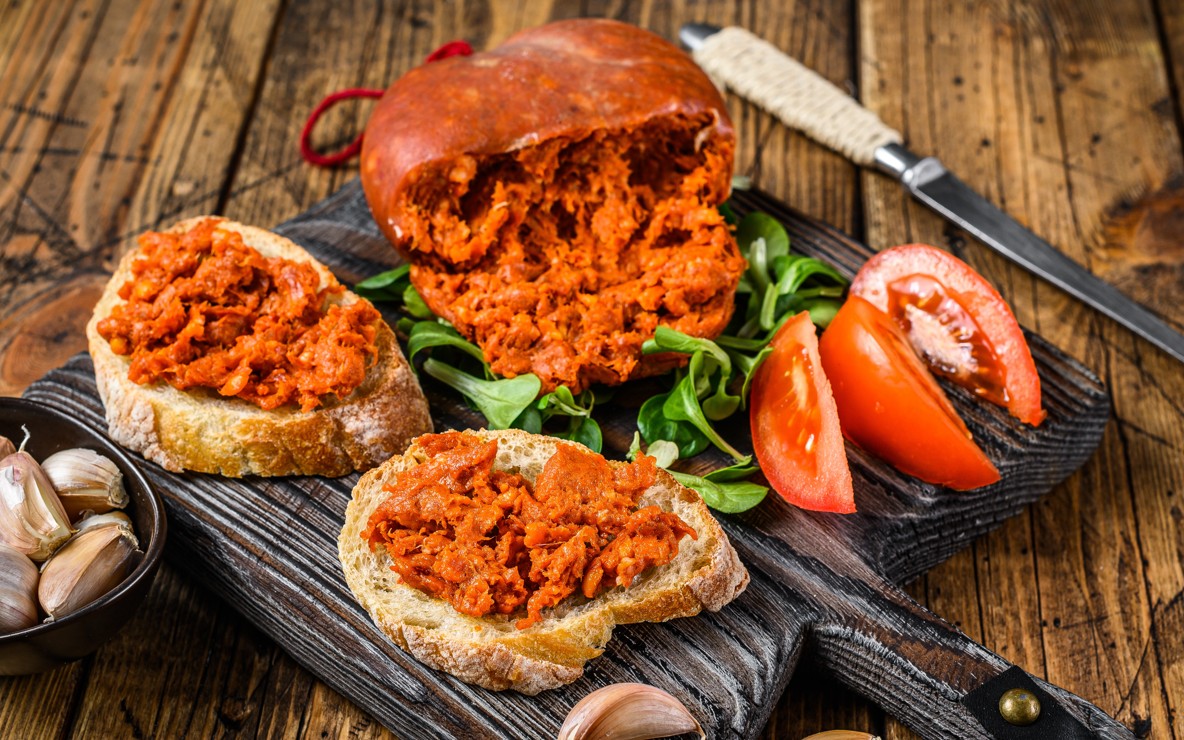
Palma is the ideal place to experience authentic sobrasada, a distinctive spreadable cured pork sausage seasoned with paprika, typically eaten on bread or incorporated into cooked dishes. Ensaimada is the island’s most iconic pastry, a light, spiral-shaped yeast dough dusted with sugar and sometimes filled with cream, pumpkin threads known as cabell d’àngel, or even sobrasada.
Pa amb oli is the foundation of Mallorcan eating: rustic bread rubbed with tomato and garlic, drizzled with olive oil, and topped with ingredients such as cheese, ham, or sobrasada. Tumbet is a comforting vegetable dish made from layered potatoes, eggplant, and red peppers baked in tomato sauce, often compared to ratatouille. Frit Mallorquí is a robust fry-up of lamb or pork offal with potatoes and vegetables, reflecting the island’s tradition of using every part of the animal.
Arrós brut, or “dirty rice,” is a richly spiced, soupy rice dish cooked with meat, game, and vegetables, while caldereta de langosta, a luxurious lobster stew associated with nearby coastal towns, represents the island’s celebratory side. Botifarró, a coarse grilled blood sausage, and sípia amb fesols, cuttlefish with beans, are classic savory dishes. Desserts include greixonera, a baked pudding made from leftover pastries, and the prized cloud of sweetness that defines many almond-based Mallorcan treats. Cheeses such as Formatge de Maó from neighboring Menorca also feature prominently.
Everyday Palma and Mallorcan Food
Breakfast in Palma is often simple, perhaps a café con leche with an ensaimada or toast rubbed with tomato and olive oil. Lunch is the main meal of the day and commonly takes the form of a multi-course menú del día, offering soup or starter, a hearty main such as tumbet or grilled fish, and dessert. Dinner is lighter and served later, often centered on tapas or shared plates.
Bread and olive oil appear at every meal, and seafood is usually prepared simply, grilled or baked to highlight freshness. Pork remains the dominant land-based protein, appearing in countless cured and cooked forms. Markets play a central role in daily life, with Mercat de l’Olivar acting as a focal point for produce, fish, meat, and casual eating at market bars. Meals are leisurely, social affairs, frequently enjoyed outdoors on shaded terraces, reflecting the relaxed rhythm of Mediterranean life.
Cultural Fusion: Ancient Roots, Moorish Influence, and Catalan Tradition
Mallorca’s earliest inhabitants relied on simple preparations of local grains, vegetables, and livestock. The Moorish period introduced advanced irrigation, almonds, citrus fruits, and spices such as saffron, laying the groundwork for many enduring flavors. Following the Catalan conquest in the thirteenth century, the island’s cuisine became firmly aligned with Catalan traditions, adapted to local conditions and ingredients.
This layered history produces a uniquely Mallorcan table, where ancient preservation methods live on in sobrasada, Moorish sweetness emerges in almond-based desserts, and Catalan peasant cooking shapes dishes like tumbet and frit. Palma’s food culture values sobremesa, the unhurried conversation after a meal, and remains closely tied to seasonal cycles and communal dining.
Craft Beverage Scene and Local Libations
Palma’s beverage culture centers on high-quality local wines and traditional herbal liqueurs, with a small but growing craft beer presence. Wines from the island’s denominations of origin, Binissalem and Pla i Llevant, are increasingly respected, particularly reds made from Manto Negro and Callet grapes and whites from Prensal Blanc.
Herbes de Mallorca is a traditional anise-flavored herbal liqueur, commonly served chilled as a digestif. Palo, a dark, sweet liqueur made with caramelized sugar and quinine, is another local specialty. Craft beers from Mallorcan microbreweries add modern variety, while cava is popular for celebrations. Freshly squeezed orange juice from local fruit is a morning staple. What distinguishes Palma is the strength and identity of its local wines and the ritual of ending a meal with a glass of Herbes.
International Dining and Contemporary Scene
While Mallorcan cuisine remains at the heart of the city’s dining culture, Palma’s international character and steady stream of visitors ensure a wide range of global options. Italian, Argentine, Japanese, and contemporary European restaurants are well represented.
The most exciting evolution is modern Mallorcan cuisine, where chefs reinterpret traditional ingredients through contemporary techniques, often in elegant tasting menus found both in the city and in the rural interior. Despite this creativity, Palma’s culinary soul remains firmly anchored in tapas bars, lively markets, and family-run establishments that continue to serve time-honored recipes. The balance between tradition and innovation defines the city’s food scene.
Food Customs and Practical Tips
Dining in Palma is relaxed and informal. Service may be straightforward but is generally warm. Tipping is not obligatory, though rounding up the bill or leaving a small amount is appreciated. Eating hours are late by northern standards, with lunch beginning around mid-afternoon and dinner rarely before nine in the evening.
Begin meals with pa amb oli, which sets the tone for Mallorcan dining. Sobrasada should not be confused with chorizo, as it is softer and meant to be spread. Visiting Mercat de l’Olivar offers insight into the island’s produce and casual food culture, while traditional pastry shops are the best places to sample ensaimadas. Exploring different neighborhoods reveals distinct atmospheres, from the historic Old Town and trendy Santa Catalina to the waterfront restaurants of the Paseo Marítimo. Venturing into nearby villages or countryside restaurants provides an even deeper connection to the island’s culinary traditions.
Palma offers good value, especially at lunchtime with set menus, and rewards diners who take the time to eat slowly and seasonally. Above all, Palma’s culinary spirit is generous and sunlit, rooted in the land and sea and best enjoyed at an unhurried pace, surrounded by good company.
This guide covers what to eat in Palma de Mallorca, from sobrasada and ensaimada to pa amb oli, tumbet, and classic Mallorcan dishes, helping you plan a rewarding culinary exploration of the Balearic Islands’ historic capital.
Check monthly weather averages for
Latest Secret Flying deals to Palma de Mallorca
UK cities to Spain or Croatia from only £27 roundtrip
Non-stop flights from UK cities to Spain or Croatia from only £27 roundtrip.
View DealSUMMER: London, UK to Palma de Mallorca, Spain for only £28 roundtrip
Non-stop, summer flights from London, UK to Palma de Mallorca, Spain for only £28 roundtrip.
View DealSingapore to Palma de Mallorca, Spain for only $507 USD roundtrip
Cheap flights from Singapore to Palma de Mallorca, Spain for only $507 USD roundtrip with Etihad Airways.
View Deal [adblockingdetector id="638efa67113bf"]