


Panama City, Panama Food Guide
Food in Panama City, Panama: What to Eat & Drink
Panama City’s culinary landscape is a dynamic, crossroads expression of the Americas, where the influences of its indigenous cultures, Spanish colonialism, Afro-Caribbean traditions, and a constant flow of global trade through the Canal converge to create a cuisine defined by its comforting staples, incredible seafood, and a vibrant, multicultural energy. As the bustling capital of a nation defined by its interoceanic waterway, Panama City developed a food culture that is both proudly Panamanian (típico) and remarkably cosmopolitan, governed by the rhythm of the historic Casco Viejo’s plazas, the bustle of the financial district, and the laid-back vibe of the Caribbean coast just minutes away. Shaped by its unique position as a land bridge, it blends the rice and beans of Central America with the coconut and plantains of the Caribbean and the hearty meats of the interior. Panamanian cuisine in the capital is a celebration of sancocho, ceviche, yuca, plantains, and fresh corvina fish, all served with a warm, welcoming spirit that reflects the country’s puente del mundo, corazón del universo (bridge of the world, heart of the universe) motto. This is a city where food is both everyday sustenance and festive celebration, where the humble carimañola is a beloved snack, and where every meal—from a market fonda to a rooftop restaurant overlooking the Pacific entrance to the Canal—is an opportunity to taste the unique fusion at the center of the Americas.
Core ingredients like rice, beans (both red and black), yuca (cassava), plantains (green and sweet), corn (for tortillas and masa), chicken, beef, pork, and an incredible array of seafood (corvina, sea bass, shrimp, octopus, lobster) form the foundation. Dishes are characterized by their hearty, savory, and often coconut-infused profiles, a mastery of frying (for snacks and sides) and slow-simmering (for stews), and a beautiful balance between indigenous starches, Spanish-style meats, and Afro-Caribbean flavors. Panama City’s unique geography—a modern metropolis on the Pacific, with the Caribbean and the rainforest within easy reach—creates a diverse larder. Its identity is one of glittering skyscrapers and restored colonial ruins, where a ceviche stand sits in the shadow of a biomorphic tower. From a bustling mercado de mariscos to a sleek sushi bar in Punta Paitilla, eating in Panama City is a flavorful journey through the layers of a true cultural and culinary crossroads.
Local Specialties of Panama City
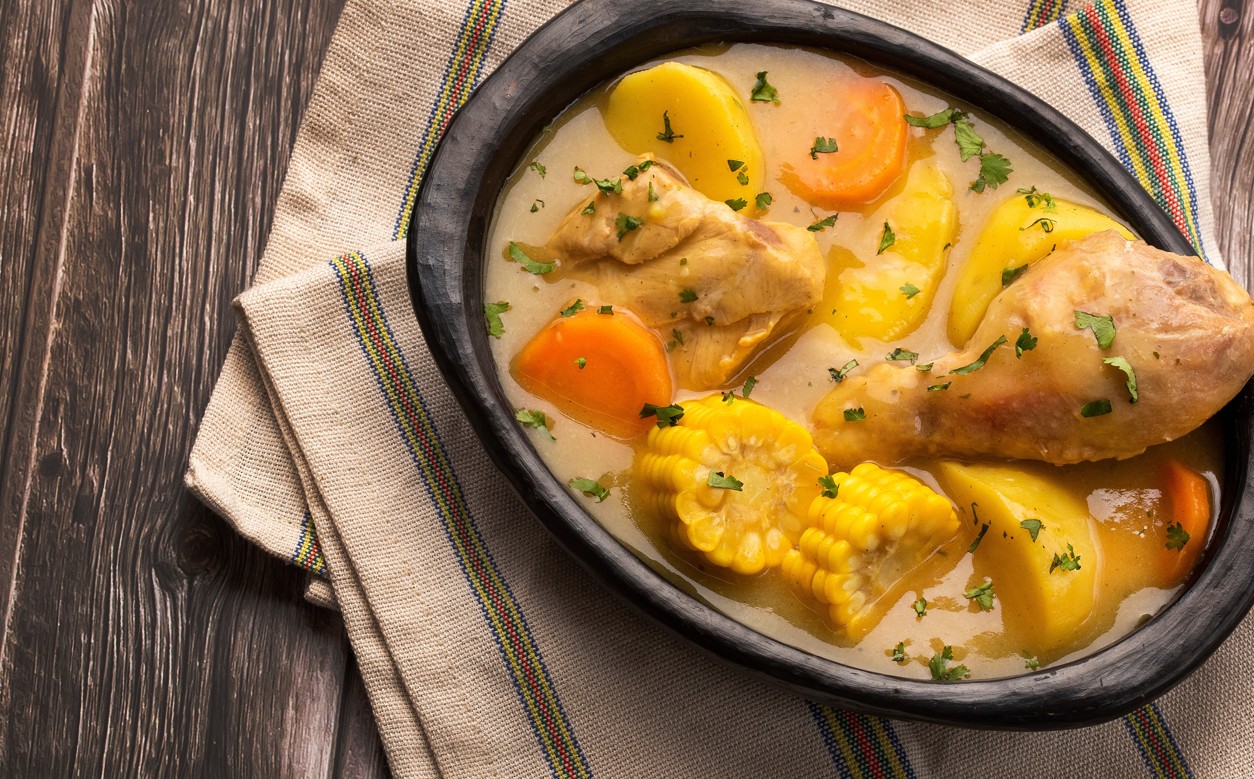
Panama City’s iconic dishes are a blend of comforting home cooking and coastal bounty: Sancocho is the beloved national chicken soup: a hearty, herbaceous broth with chicken, yuca, ñame (yam), corn, and culantro (cilantro ancho), believed to cure hangovers and nourish the soul.
Ceviche Panameño is a must-try: fresh corvina or other white fish “cooked” in lime juice with finely chopped onions, celery, and hot peppers, often served with crackers or patacones (fried green plantain slices).
Arroz con Guandú y Coco is a signature rice dish: rice cooked with pigeon peas (guandú) and coconut milk, offering a uniquely Panamanian, slightly sweet and creamy flavor. Ropa Vieja (shredded beef in tomato sauce) is a shared Caribbean classic, served with rice and beans.
Patacones are twice-fried, smashed green plantains, a ubiquitous and delicious side or base for ceviche. Carimañolas are fried yuca dough croquettes stuffed with seasoned ground meat, a popular breakfast or snack. Hojaldres are Panamanian fried dough, similar to a savory beignet, often eaten for breakfast.
Tortillas (de Maíz) here are thick, corn-based cakes, not the Mexican flatbread. Chicheme is a refreshing, sweet drink made from hominy corn, milk, sugar, and spices. Raspados are shaved ice treats with tropical fruit syrups. Seco is the local liquor, a sugarcane-based spirit similar to rum, often mixed with milk (seco con leche).
Everyday Panama City & Panamanian Food
Breakfast is substantial: hojaldres, carimañolas, or tortillas with eggs and coffee. Lunch (almuerzo) is the main meal, often a plato típico of rice, beans, a protein, and salad from a fonda (small eatery). Dinner can be similar or lighter, with seafood playing a bigger role.
The culture of the Fonda (local lunch counter), the Mercado (de Mariscos especially), the Cevichería, the Rosticería (rotisserie chicken joint), and the increasingly prominent International/Fine Dining Restaurant in high-rises and Casco Viejo is central. Eating is social and family-oriented. Service is generally friendly. The concept of ”comida típica” is a mark of authenticity. Meals are enjoyed with chicheme, fresh fruit juice (jugo natural), local beer (Panama, Balboa, Atlas), or seco. The pace is relaxed; lunch breaks can be long.
Cultural Fusion: Indigenous Base, Spanish & Afro-Caribbean Layers, Global Crossroads
Panamanian cuisine’s foundation is indigenous, centered on corn, yuca, and local tubers. Spanish colonization introduced rice, chicken, beef, and cooking techniques like stewing. The profound influence came from enslaved Africans and later Afro-Caribbean immigrants (particularly from the Antilles who came to build the canal), who brought coconut, plantains, and distinct ways of cooking rice and beans.
Panama’s role as a global crossroads has layered on influences from China (via a significant Cantonese community), the United States, and more recently, other Latin American countries. This creates a Panama City table where you can eat an indigenous-inspired sancocho, an Afro-Caribbean coconut rice, a Spanish-style ropa vieja, and a Chinese-style fried rice (arroz frito)—all considered part of the local fabric.
Craft Beverage Scene and Local Libations
Panama City’s beverage scene is growing but still dominated by classics. Local beer is king: light, crisp lagers like Panama Lager and Balboa are widely consumed, often ice-cold.
Seco is the national spirit, inexpensive and versatile, often mixed with soda or milk. Rum (Ron) is also popular, with local brands like Abuelo and Carta Vieja. Chicheme and fresh fruit juices (jugos naturales) are the non-alcoholic stars. Coffee from the Chiriquí highlands is excellent and becoming more appreciated locally. Craft beer is a nascent but growing trend. What distinguishes Panama City is the ritual of an ice-cold Panama Lager with a plate of ceviche at the Mercado de Mariscos, followed by a seco con leche for a stronger kick.
International Dining and Contemporary Scene
As a major financial hub and cosmopolitan city, Panama City has a thriving and high-quality international dining scene. You can find superb Peruvian (especially cevicherías), Japanese (including excellent sushi), Italian, Argentine, Middle Eastern, and of course, Chinese (chifa) restaurants, reflecting its diverse population.
A modern Panamanian or “Nueva Cocina” movement is emerging, with talented chefs in Casco Viejo and upscale areas reinterpreting traditional ingredients and dishes with contemporary techniques and presentations, focusing on local sourcing. However, the soul of Panama City’s dining remains in its bustling fondas, its iconic Mercado de Mariscos, and its simple, family-run cevicherías. The scene offers a thrilling contrast between deeply rooted tradition and confident globalism. For visitors, this means you can enjoy a world-class meal and an utterly authentic, down-to-earth plato típico on the same day.
Food Customs and Practical Tips
Dining is casual, but dress smart-casual for upscale places in Casco or financial district. Tipping (~10%) is customary in restaurants. The Mercado de Mariscos is a must-visit but can be overwhelming; go with a guide or choose a sit-down restaurant within it. Be cautious with street food hygiene if you have a sensitive stomach.
For the authentic experience, have lunch at a fonda for a cheap and delicious plato del día. Eat ceviche and drink beer at the Mercado de Mariscos—embrace the chaotic, lively atmosphere. Try sancocho, especially on a rainy day or if you’re feeling under the weather. Sample a carimañola or hojaldre for breakfast from a street vendor or bakery. Don’t miss the chance to try arroz con guandú y coco—it’s uniquely Panamanian.
Explore different areas: Casco Viejo for a mix of trendy restaurants, bars, historic cafes, and tourist spots; Mercado de Mariscos & Calidonia for the ultimate local seafood and fonda experience; Punta Paitilla & Bella Vista for upscale international dining and nightlife; El Cangrejo for a mix of local and international mid-range options. Try both a no-frills market meal and a refined dinner in Casco Viejo. Consider a food tour of Casco Viejo or the Mercado de Mariscos. Be prepared for air conditioning to be very cold indoors. Panama City offers good value at local spots; international dining is priced similarly to other major cities. Most importantly, embrace Panama City’s culinary spirit: it is a crossroads, hearty, coastal, and warmly welcoming—a true taste of where the Americas meet.
This guide covers what to eat in Panama City, Panama, from Sancocho and Ceviche to Arroz con Guandú, Patacones, and Seco. Use it to plan your culinary journey to the bridge between two oceans.
Check monthly weather averages for
Latest Secret Flying deals to Panama City, Panama
Austin, Texas to Panama City, Panama for only $305 roundtrip
Cheap flights from Austin, Texas to Panama City, Panama for only $305 roundtrip with American Airlines.
View Deal⚠️ ERROR FARE ⚠️ Open-jaw from European cities to Latin America from only €152 roundtrip
Error Fare, open-jaw flights from European cities to Latin America from only €152 roundtrip with Iberia.
View DealLAST MINUTE: European cities to Panama City, Panama from only €214 one-way
Last minute flights from European cities to Panama City, Panama from only €214 one-way.
View Deal [adblockingdetector id="638efa67113bf"]