


Pisa Food Guide
Food in Pisa: What to Eat & Drink
Pisa’s culinary landscape is a humble and satisfying expression of Tuscan country cooking, where the rich agricultural traditions of the region meet the simple, hearty appetites of a historic university city and former maritime republic. Overshadowed by its iconic Leaning Tower, Pisa’s food culture is deeply rooted in the surrounding countryside—the campagna pisana—and the bounty of the nearby coast, offering a more rustic and accessible take on Tuscan cuisine than its glamorous neighbor, Florence. Shaped by its position on the Arno River, its history as a powerful port, and its large student population, Pisa’s cuisine is characterized by robust flavors, peasant-style preparations, and an emphasis on beans, bread, game, and fresh seafood, all adhering to the sacred Tuscan principle of letting exceptional ingredients speak for themselves.
Core ingredients like rustic bread (unsalted, as is Tuscan tradition), beans (especially cannellini), olive oil, wild game (boar, hare, rabbit), chestnuts, and seafood from the Tyrrhenian coast form the foundation of Pisan cooking. Dishes are characterized by their simplicity, the masterful use of herbs such as rosemary and sage, and the creative reuse of stale bread in countless recipes. Pisa’s geography, between the sea and fertile hills, provides a dual larder of fresh fish and farm produce. Its identity blends medieval grandeur with the relaxed, youthful energy of a university town. From traditional trattorias tucked away from tourist crowds to simple seafood spots along the river, Pisa offers a genuine taste of Tuscan comfort food.
Local Specialities of Pisa
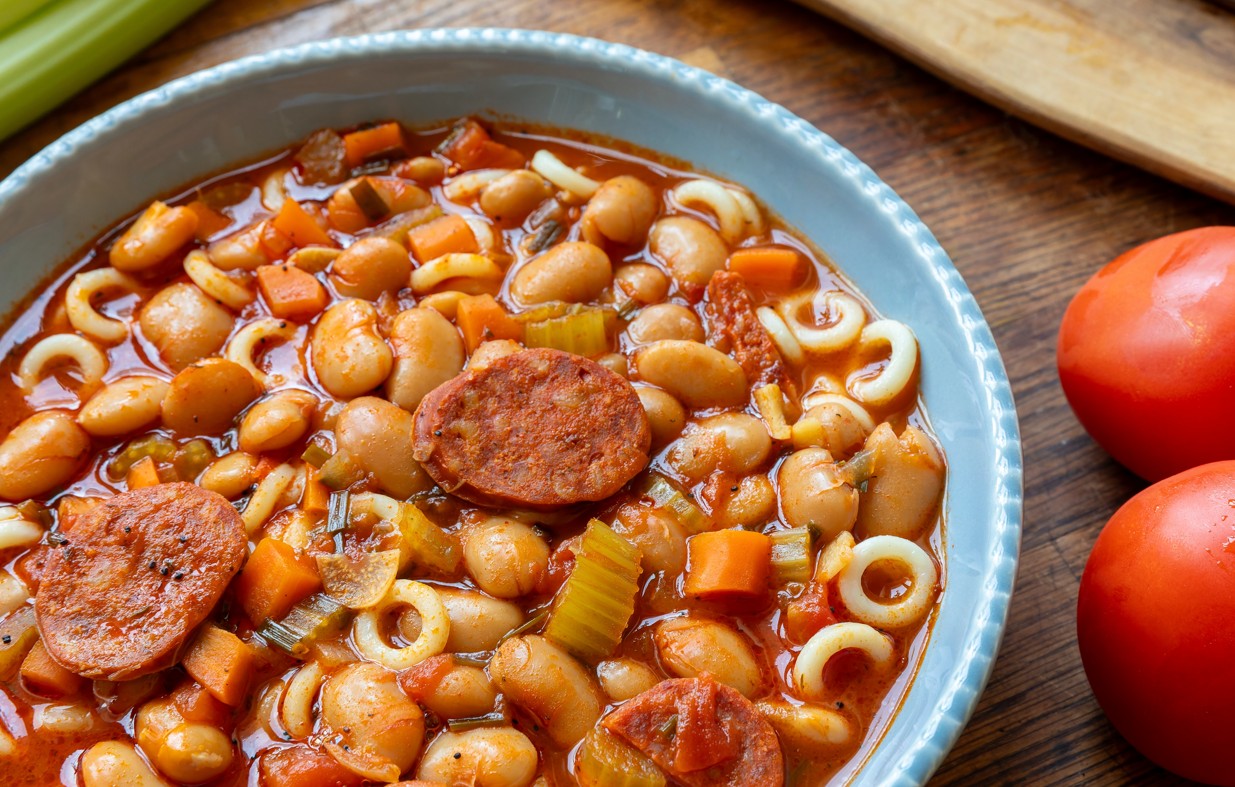
Pisa is known for Zuppa alla Pisana, a hearty soup of beans, kale, and farro that reflects Tuscany’s love for legumes and grains. Cecina (or torta di ceci) is a savory, pancake-like flatbread made from chickpea flour, water, olive oil, and salt, baked in a wood-fired oven until crisp. It is a popular street food and snack, closely related to Ligurian farinata.
Bordatino alla Pisana is a thick soup or porridge of cornmeal and black cabbage (cavolo nero), often enriched with beans. Trippa alla Pisana features tripe stewed in tomato sauce, a classic example of Tuscan offal cooking. Baccalà alla Pisana (or Livornese) is salt cod braised with tomatoes, onions, and olives. Riso con le Seppie is a risotto made with cuttlefish and its ink, giving the dish a dramatic black color.
Game dishes are central to local tradition, including Cinghiale in Umido (wild boar stew) and Lepre in Agrodolce (hare in sweet-and-sour sauce). For dessert, Castagnaccio is a dense, unleavened chestnut flour cake flavored with rosemary and pine nuts. Simple starters like Bruschetta and Fettunta—grilled bread rubbed with garlic and drenched in fresh olive oil—showcase the quality of local ingredients.
Everyday Pisan & Tuscan Food
Breakfast is typically a quick espresso and pastry at a bar. Lunch may be a bowl of soup, a plate of pasta, a slice of cecina on the go, or a simple panino. Dinner is the main meal, often beginning with antipasti such as cured meats and crostini, followed by a pasta or soup course, a meat or fish main, and dessert.
Bread plays a central role, often used to mop up sauces in the ritual known as fare la scarpetta. Olive oil is used generously, both raw and cooked. Beans are a key protein, appearing in soups, salads, and side dishes. Pisa’s large student population supports many affordable pizzerias and casual eateries, giving the city a relaxed and accessible dining culture rooted in sharing and conversation.
Cultural Fusion: Etruscan Roots, Maritime Trade & Cucina Povera
Pisan cuisine draws from ancient Etruscan and Roman traditions based on grains, beans, and olive oil. As a powerful medieval maritime republic, Pisa once benefited from trade routes that introduced spices and preserved foods, though its lasting culinary identity was shaped by rural necessity.
The traditions of cucina povera transformed humble ingredients into deeply satisfying dishes. Stale bread became soups and salads, beans replaced costly meat, and offal was elevated into regional classics. The result is a cuisine where simplicity, thrift, and quality coexist, unified by exceptional olive oil and seasonal produce.
Craft Beverage Scene and Local Libations
Pisa’s beverage culture is resolutely Tuscan, centered on wine and coffee. Red wines based on Sangiovese, including Chianti and other Tuscan blends, are the default accompaniment to meals.
Local white wines from the coast, such as Bianco Pisano di San Torpè, pair well with seafood. Vin Santo is the classic dessert wine, often served with cantucci for dipping. Grappa is a common digestif. Coffee culture is essential—standing at the bar for an espresso costs less than sitting. National beers are widely available, though wine remains dominant.
International Dining and Contemporary Scene
As a university city, Pisa has a modest international food scene catering to students, including kebabs, sushi, and casual Asian eateries. However, the city’s culinary identity remains firmly Tuscan.
Modern reinterpretations exist, but Pisa largely avoids the fine-dining experimentation found in larger Italian cities. Traditional trattorias, pizzerias, and bakeries selling cecina define the local experience, offering visitors an authentic taste of regional cooking without pretension or inflated prices.
Food Customs and Practical Tips
Dining in Pisa is informal and unhurried. Service may be direct. Tipping is not expected, though rounding up the bill is appreciated. A small cover charge (coperto) per person is standard.
Avoid restaurants immediately surrounding the Leaning Tower; walking a few blocks away leads to better quality and value. Seek out cecina from a bakery or street vendor for a true local specialty. Butter is rarely served with bread—olive oil is the focus. Look for trattorias with handwritten menus for the most authentic meals.
Explore areas north and south of the Arno, away from the main tourist routes, as well as Borgo Stretto, Corso Italia, and the San Martino neighborhood. Visit the Mercato delle Vettovaglie for fresh produce and casual local food. Be prepared for late dinners, as restaurants typically open around 7:30 PM. Pisa offers excellent value and a deeply satisfying culinary experience rooted in Tuscan tradition.
This guide covers what to eat in Pisa, from Zuppa alla Pisana and Cecina to Bordatino, game stews, and classic Tuscan dishes. Use it to explore the city’s food culture beyond the Leaning Tower.
Check monthly weather averages for
Latest Secret Flying deals to Pisa
London, UK to Pisa, Italy for only £28 roundtrip
Non-stop flights from London, UK to Pisa, Italy for only £28 roundtrip.
View DealPortland, Oregon to Pisa, Italy for only $487 roundtrip (Mar-May dates)
Cheap flights from Portland, Oregon to Pisa, Italy for only $487 roundtrip with British Airways.
View Deal🔥 SUMMER: Scandinavia to Italian cities for only €2 one-way (Aug dates)
Non-stop, summer flights from Scandinavian cities to Italian cities for only €2 one-way.
View Deal [adblockingdetector id="638efa67113bf"]