


Best Things to Do in Pittsburgh: A Complete Guide
10 Best Things to Do in Pittsburgh
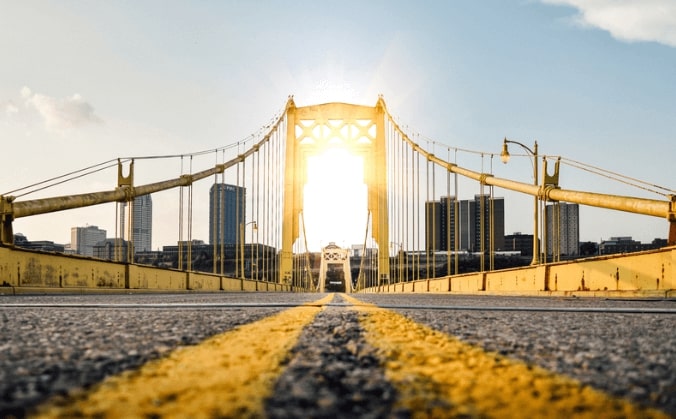
Looking for what to do in Pittsburgh? This is a city of dramatic transformation, where a storied industrial past has been forged into a dynamic present defined by innovation, culture, and breathtaking natural scenery. Pittsburgh uniquely blends its steel-making heritage with cutting-edge technology, world-class education, and a vibrant arts scene, all set within a landscape of rolling hills, iconic bridges, and three mighty rivers. Known as the “City of Bridges” for its more than 446 spans, Pittsburgh’s mix of resilient character, historic neighborhoods, verdant parks, and a celebrated food-and-brewery culture makes it one of the most distinctive and rewarding urban destinations in the United States.
From panoramic mountain-top overlooks and museums celebrating pop art and natural history to vibrant market districts, serene botanical gardens, and hallowed sports venues, Pittsburgh offers a rich tapestry of experiences. To help you discover the energy and charm of the Steel City, here are the 10 best things to do in Pittsburgh to help you plan the perfect trip.
1. Take the Duquesne Incline to Mount Washington
No Pittsburgh experience is complete without a ride on the historic Duquesne Incline. This meticulously preserved 19th-century cable car, one of the few remaining functioning inclines in the country, climbs the steep slope of Mount Washington at a thrilling angle. As you ascend, the cityscape unfolds through the windows, offering a cinematic reveal of downtown’s skyscrapers, the serpentine paths of the Allegheny and Monongahela rivers merging to form the Ohio, and the intricate web of bridges that define the city’s silhouette.
At the top, the observation decks along Grandview Avenue provide what are consistently ranked among the best urban vistas in America. The view is spectacular at any hour, but it becomes magical at sunset when the city lights begin to twinkle and the rivers reflect the fading colors of the sky. The area is also home to acclaimed restaurants with view-facing tables, making it perfect for a memorable dinner. The Duquesne Incline is more than transportation; it’s a moving monument and the quintessential Pittsburgh pilgrimage.
2. Visit the Andy Warhol Museum
Housed in a converted warehouse on the North Shore, The Andy Warhol Museum is a vibrant and comprehensive tribute to Pittsburgh’s most influential and famous native son. As the largest museum in North America dedicated to a single artist, its seven floors offer an immersive dive into Warhol’s prolific career and complex persona. The collection spans his early commercial illustrations, iconic Pop Art paintings of Campbell’s Soup Cans and Marilyn Monroe, experimental Exploding Plastic Inevitable films, silver-cloud installations, and intimate archives of his personal ephemera.
The museum doesn’t just display art; it channels Warhol’s spirit. Interactive studios allow visitors to create their own silkscreen prints or shadow silhouettes, while the museum’s ground-floor café and frequent late-night events foster a social, creative atmosphere. It’s a place that captures both the brilliance and the ambiguity of Warhol, firmly connecting his global legacy to the industrial, working-class city where his journey began.
3. Explore the Carnegie Museum of Natural History & Carnegie Museum of Art
Anchoring the Oakland cultural district, the twin Carnegie Museums represent one of the nation’s great civic gifts and a testament to Pittsburgh’s commitment to knowledge and beauty. Founded by industrialist Andrew Carnegie, these world-class institutions share a magnificent Beaux-Arts building. The Carnegie Museum of Natural History is world-renowned for its extensive Dinosaurs in Their Time exhibit, featuring spectacularly mounted skeletons in scientifically accurate recreations of their habitats. Its collections of gems, minerals, Egyptian artifacts, and wildlife dioramas are equally impressive.
Next door, the Carnegie Museum of Art holds a distinguished collection with particular strengths in French Impressionist and Post-Impressionist works, American art from the late 19th century, and contemporary pieces. It is also the birthplace of the prestigious Carnegie International, North America’s oldest survey of contemporary art. Together, these museums offer a full day of awe-inspiring exploration, highlighting the city’s enduring role as a patron of science and culture.
4. Wander through Phipps Conservatory & Botanical Gardens
A crystal palace of botanical wonder, Phipps Conservatory and Botanical Gardens in Schenley Park is a serene oasis of art and nature. This Victorian-era glasshouse, a historic landmark, houses a series of breathtaking indoor and outdoor gardens. Visitors can wander through a tropical rainforest, a desert cactus room, a Japanese garden with a serene koi pond, and a magnificent orchid room. Each room is a meticulously curated environment, showcasing the incredible diversity of plant life.
Phipps is a leader in sustainable architecture and green practices, evident in its iconic, energy-efficient Center for Sustainable Landscapes. The conservatory also hosts spectacular seasonal flower shows—from a spring orchid extravaganza to a summer tropical bonsai collection and a world-famous holiday Winter Flower and Light Show. It’s a place of tranquility, beauty, and inspiration that appeals to gardeners, photographers, and anyone seeking a peaceful retreat.
5. Walk or bike along the Three Rivers Heritage Trail
The Three Rivers Heritage Trail is the city’s premier recreational corridor, a paved network of trails that trace the banks of the Allegheny, Monongahela, and Ohio Rivers. This trail system is the ultimate expression of Pittsburgh’s transformation, reclaiming its industrial riverfront for public enjoyment. It connects key attractions, neighborhoods, and parks, offering constantly shifting perspectives of the skyline, bridges, and water.
You can rent a bike from a Healthy Ride station and cycle from Point State Park to the Strip District and beyond, or take a leisurely stroll along the South Shore to watch the boats and kayakers. The trails are alive with joggers, cyclists, and families, and provide unparalleled access to the city’s aquatic heart. They are a testament to Pittsburgh’s commitment to an active, outdoor lifestyle and offer the best way to appreciate its unique and beautiful geography.
6. Explore the Strip District
The Strip District is Pittsburgh’s sensory overload in the best possible way—a historic market neighborhood that pulses with energy, aroma, and local flavor. Once the center of wholesale food distribution, its warehouses and storefronts now house an irresistible concentration of food purveyors. Here, you’ll find legendary Italian grocery stores like Parma Sausage and Penn Mac, coffee roasters, fresh fish markets, pretzel bakeries, spice shops, and street vendors selling everything from Steelers gear to imported goods.
Weekend mornings are especially lively, with locals and visitors alike crowding the sidewalks for fresh produce, breakfast sandwiches, and unique finds. It’s also a hub for great ethnic restaurants, craft beer bars, and quirky boutiques. Exploring the Strip is an interactive, delicious adventure that captures the city’s gritty charm, immigrant history, and contemporary culinary passion all in one vibrant, walkable district.
7. Visit Point State Park & the Fountain
Located at the very tip of downtown’s Golden Triangle, Point State Park marks the strategic and symbolic confluence of Pittsburgh’s three rivers. This 36-acre national historic landmark is a green oasis of lawns, walkways, and riverfront promenades. Its centerpiece is the massive Fountain at the Point, which shoots a column of water 150 feet into the air, directly over the spot where the rivers meet.
The park is steeped in history, containing the preserved outlines of Fort Pitt and Fort Duquesne, which played pivotal roles in the French and Indian War. It’s a popular spot for picnics, festivals, concerts, and simply relaxing with an unmatched view of the rivers and bridges. The park also serves as the hub for river cruise departures and the starting point for the heritage trails. It is the city’s geographic and historic heart, a peaceful gathering place with a powerful sense of place.
8. Tour the Heinz History Center
An affiliate of the Smithsonian Institution, the Senator John Heinz History Center is a captivating journey through Western Pennsylvania’s rich story. Housed in a former ice warehouse in the Strip District, its six floors are packed with engaging, hands-on exhibits. Discover the region’s innovation through displays on everything from the Lewis and Clark expedition (which launched from Pittsburgh) to the evolution of the steel industry, the birth of the Big Mac, and the legacy of Mister Rogers’ Neighborhood (including the original set pieces and King Friday XIII puppet).
The museum also features an extensive collection of Heinz Company artifacts, a massive exhibit on Pittsburgh’s deep sports history, and rotating exhibitions. It’s anything but a dry history lesson; it’s a dynamic, colorful, and often nostalgic exploration of the people, inventions, and cultural touchstones that have shaped not just Pittsburgh, but America itself. It’s exceptionally family-friendly and deeply rewarding for visitors of all ages.
9. Visit the Cathedral of Learning
Towering over the University of Pittsburgh’s Oakland campus, the Cathedral of Learning is a 42-story Gothic Revival skyscraper and one of the most distinctive university buildings in the world. Stepping into the vaulted, four-story-high Commons Room is like entering a medieval cathedral dedicated to education. The true marvels, however, are the Nationality Rooms on the first and third floors.
These 31 classrooms are each designed and decorated to represent the cultural heritage of a different ethnic group that contributed to Pittsburgh’s development, from the Armenian and Chinese rooms to the Scottish and Ukrainian rooms. They are breathtaking works of art and craftsmanship, featuring hand-carved wood, stained glass, and traditional furnishings. Taking a guided tour provides fascinating insight into the immigrant stories that built the city and showcases an unparalleled example of how architecture can celebrate diversity and learning.
10. Experience Pittsburgh’s sports and brewery culture
Pittsburgh’s identity is inextricably linked to its legendary sports culture. The city’s passionate fans, known for their Terrible Towels, fill iconic venues like PNC Park—consistently ranked among the best ballparks in America for its intimate views and breathtaking skyline backdrop—Acrisure Stadium (home of the Steelers), and PPG Paints Arena (home of the Penguins). Attending a game is a raucous, communal rite of passage.
Equally vibrant is Pittsburgh’s craft brewery scene, which has exploded in recent years. Neighborhoods like Lawrenceville and the South Side are dotted with acclaimed taprooms. Pioneering breweries like Dancing Gnome (hazy IPAs), Brew Gentlemen (elegant, balanced ales), and Grist House (a dog-friendly hub) have earned national recognition. The convergence of these two passions is perfect: enjoying a locally brewed craft beer while cheering on a hometown team is the ultimate, authentic Pittsburgh experience, connecting the city’s blue-collar roots with its contemporary creative energy.
Check monthly weather averages for
Latest Secret Flying deals to Pittsburgh
Non-stop from Chicago to Pittsburgh (& vice versa) for only $137 roundtrip
Non-stop flights from Chicago to Pittsburgh for only $137 roundtrip with United Airlines. Also works in reverse.
View DealCancun, Mexico to Pittsburgh, USA for only $297 USD roundtrip
Cheap flights from Cancun, Mexico to Pittsburgh, USA for only $297 USD roundtrip with Aeromexico and Delta Air Lines.
View DealSan Diego to Pittsburgh (& vice versa) for only $167 roundtrip
Cheap flights from San Diego to Pittsburgh for only $167 roundtrip with Alaska Airlines. Also works in reverse.
View Deal [adblockingdetector id="638efa67113bf"]