


Porto Food Guide
Food in Porto: What to Eat & Drink
Porto’s culinary landscape is a robust, soulful, and deeply traditional expression of Northern Portugal, where the river, the sea, and a hearty working-class spirit converge to create a cuisine of substantial flavors and comforting warmth. As the historic rival to Lisbon and the birthplace of Port wine, Porto has developed a food culture that is proudly provincial, unapologetically rich, and built to satisfy the appetites of fishermen, port workers, and merchants. Shaped by its position at the mouth of the Douro River, its Atlantic coastline, and its cool, rainy climate, the city’s cuisine is a celebration of tripe, salt cod (bacalhau), fresh seafood, and generous use of beans and offal, all seasoned with confidence and served alongside the region’s bold wines.
Core ingredients like salt cod, pork (especially cured forms such as presunto), beans, cabbage, potatoes, olive oil, and organ meats form the foundation of Porto’s traditional cuisine. Dishes are characterized by their heartiness, slow-cooking and braising techniques, and a preference for simple, powerful flavors that satisfy deeply. Porto’s geography delivers both river and ocean fish, while the surrounding Douro hills produce wine and livestock. Its identity is defined by granite resilience, maritime history, and a no-nonsense charm. From centuries-old taverns in the Ribeira to humble tascas scattered across the city, Porto offers a culinary journey straight to the heart of Portugal.
Local Specialities of Porto
Porto’s most famous dish is the Francesinha, a legendary indulgent sandwich layered with cured ham, linguiça, fresh sausage, and steak, smothered in melted cheese and drenched in a hot, slightly spicy tomato-and-beer sauce. It is often topped with a fried egg and served with fries, making it one of Europe’s most filling comfort foods. Tripas à Moda do Porto, the dish that earned locals the nickname tripeiros, is a slow-cooked stew of tripe, white beans, carrots, and assorted meats.
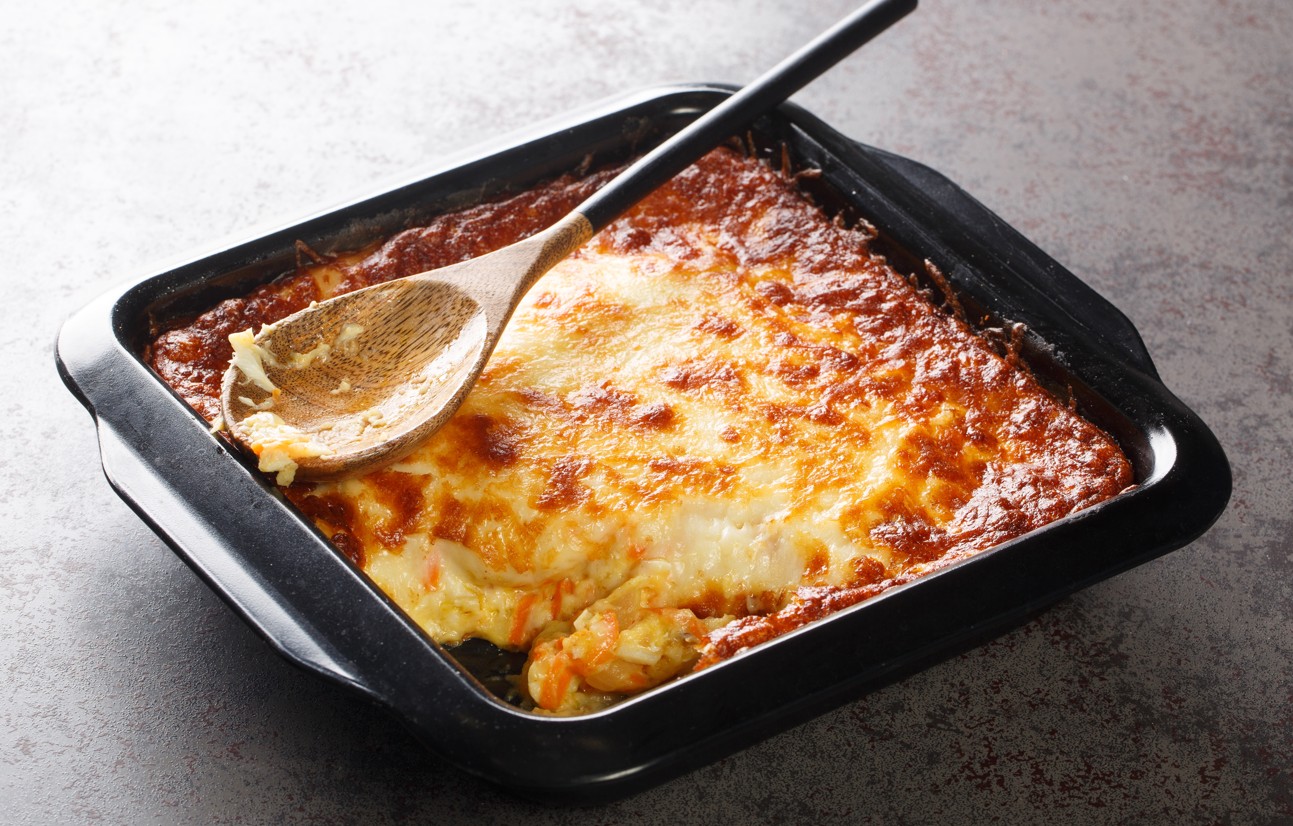
Bacalhau appears in countless forms, but Bacalhau à Gomes de Sá, baked with potatoes, onions, eggs, and olives, is a Porto classic. Caldo Verde, a simple soup of potatoes and finely shredded kale with a slice of chouriço, is eaten year-round. Rojões are garlicky cubes of pork marinated in wine and fried until crisp. Alheira, a smoked sausage traditionally made without pork, is usually fried and served with fries and eggs. Polvo à Lagareiro, octopus roasted with potatoes and generous olive oil, is a festive favorite. Pastéis de Chaves, flaky pastries filled with veal, and Port wine from the Douro Valley complete the local canon.
Everyday Porto & Northern Portuguese Food
Breakfast is modest, typically an espresso with a pastry such as a nata or a bola de Berlim. Lunch is the main meal of the day, often a set prato do dia at a neighborhood tasca. Dinner follows a similar pattern and is eaten later in the evening.
Bread accompanies every meal, used to mop up sauces. Soup, especially caldo verde, is a common first course. Seafood and river fish such as sardines, hake, and trout are staples. Meals are social, unhurried, and often enjoyed with a carafe of lightly effervescent vinho verde from the Minho region. Dining is casual, portions are generous, and food is designed to satisfy rather than impress visually.
Cultural Foundations and Working-Class Ingenuity
Porto’s cuisine reflects Roman and Moorish foundations through its use of beans, onions, and olive oil. The Age of Discoveries introduced salt cod, which became central to Portuguese cooking due to its durability. The city’s defining culinary character, however, was forged by its dockworkers and laborers, whose need for affordable, filling food elevated offal and humble ingredients into beloved classics.
This tradition of necessity-driven cooking, combined with access to river and ocean fish, produced a cuisine that is honest, filling, and deeply flavorful. British influence arrived through the port wine trade, but the food remained unmistakably Portuguese. Porto’s table reflects this history, pairing medieval-style stews with indulgent sandwiches and wines whose story is inseparable from the city itself.
Craft Beverage Scene and Local Libations
Porto’s beverage culture is dominated by Port wine, alongside excellent regional table wines and a growing craft beer presence. Port wine is central to the city’s identity and is best experienced in the historic wine lodges of Vila Nova de Gaia.
Vinho Verde is the everyday companion to rich northern dishes, offering freshness and acidity. Douro red wines, made from the same grapes as port, are increasingly respected. Craft beer is expanding through small producers, while espresso fuels daily life. The defining feature of Porto’s drinking culture is the seamless pairing of robust food with crisp, food-friendly wines.
International Dining and Contemporary Scene
While traditional Portuguese cuisine dominates, Porto’s growing tourism and student population has encouraged a broader dining scene, including Italian, Asian, vegetarian, and modern European restaurants.
Contemporary Portuguese cooking is emerging thoughtfully, with chefs reinterpreting classic dishes using modern techniques. Still, the heart of Porto’s food culture lives in tile-lined taverns, seafood houses, and dedicated francesinha cafés. Innovation exists, but tradition remains firmly in control.
Food Customs and Practical Tips
Dining in Porto is informal and straightforward. Service can be direct but friendly. Tipping is not obligatory, though rounding up or leaving 5–10% is appreciated. Bread and olives are often brought automatically as couvert and can be declined.
Trying a francesinha is essential; consider sharing one. Visit Vila Nova de Gaia for a Port wine tasting. Eat where locals gather, often away from riverfront tourist strips. Explore the Mercado do Bolhão for an authentic market experience.
Explore different neighborhoods: Ribeira for views, Bolhão and Vitória for traditional eateries, Foz do Douro for seafood by the ocean, and Cedofeita or Bonfim for a mix of classic and modern dining. Porto offers excellent value and generous portions. Above all, embrace Porto’s culinary spirit: honest, filling, and deeply rooted in Northern Portugal’s resilient soul.
This guide covers what to eat in Porto, from francesinhas and tripas à moda do Porto to bacalhau, rojões, and northern Portuguese classics. Use it to plan your culinary exploration of Portugal’s historic and flavorful northern capital.
Check monthly weather averages for
Latest Secret Flying deals to Porto
Non-stop from Praia, Cape Verde to Porto, Portugal for only $116 USD roundtrip
Non-stop flights from Praia, Cape Verde to Porto, Portugal for only $116 USD roundtrip.
View DealMiami to Porto, Portugal for only $395 roundtrip
Cheap flights from Miami to Porto, Portugal for only $395 roundtrip with TAP Air Portugal.
View DealNon-stop from Sao Paulo, Brazil to Porto, Portugal for only $539 USD roundtrip
Non-stop flights from Sao Paulo, Brazil to Porto, Portugal for only $539 USD roundtrip.
View Deal [adblockingdetector id="638efa67113bf"]