


Best Things to Do in Quebec City: A Complete Guide
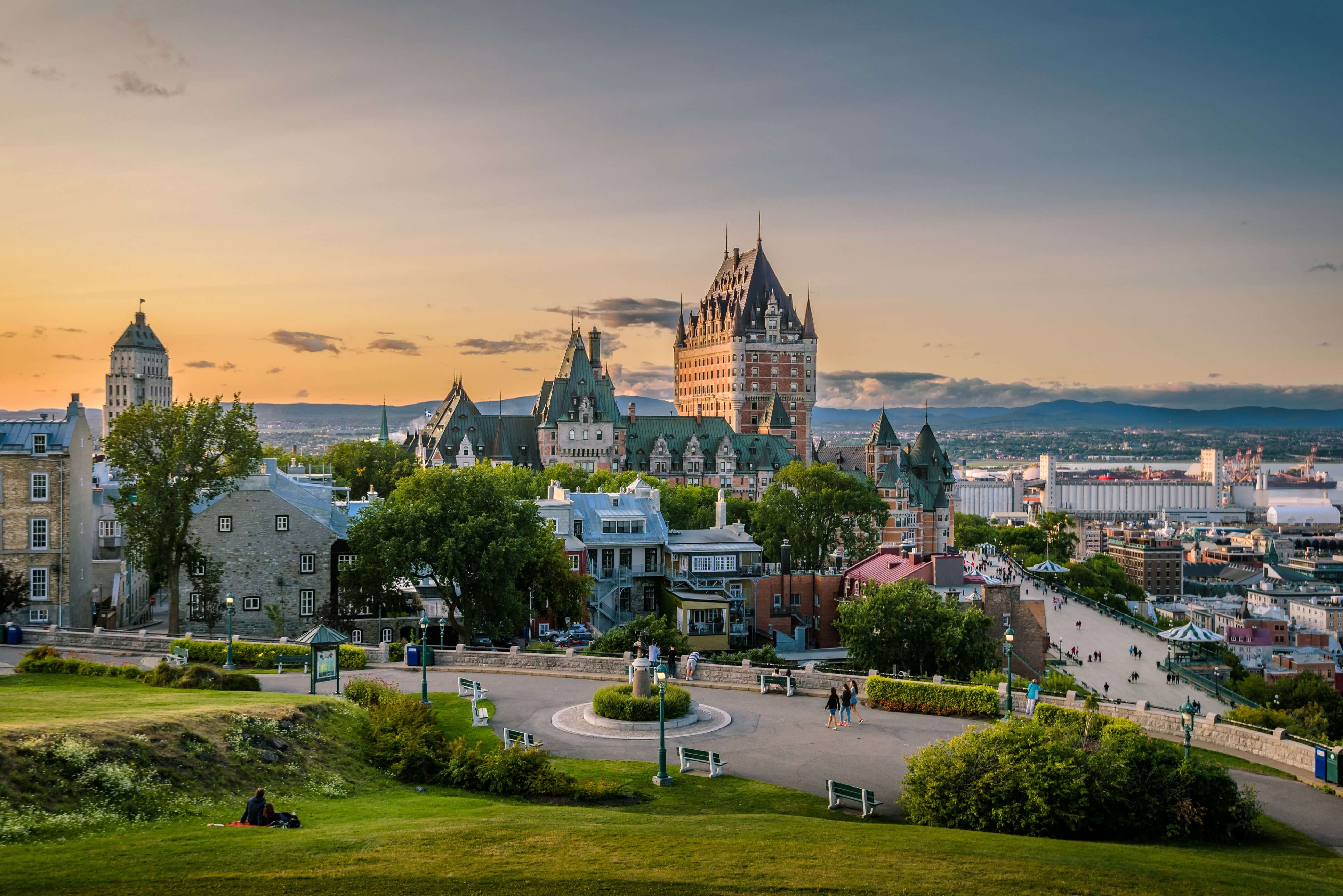
10 Best Things to Do in Quebec City
Looking for what to do in Quebec City? As the cradle of French civilization in North America and the continent’s only walled city north of Mexico, Quebec City offers a travel experience that feels like stepping into a European storybook, yet is unmistakably and vibrantly Québécois. This UNESCO World Heritage site is a living museum of cobblestone lanes, formidable 17th-century stone fortifications, and grand architecture, all perched dramatically above the St. Lawrence River. Beyond its undeniable historic beauty, the city pulses with a warm, proud culture, evident in its exceptional French-inspired cuisine, dynamic arts scene, and spirited year-round festivals. With its romantic ambiance, breathtaking riverfront vistas, and distinct seasonal personalities, Quebec City offers a uniquely rich and immersive getaway.
From wandering the iconic, fortress-like streets of Old Quebec and marveling at a waterfall taller than Niagara to exploring rural islands, tasting world-class local produce, and partaking in legendary winter celebrations, planning a visit is an exercise in delight. To help you discover the very best of la Vieille Capitale, here are the 10 best things to do in Quebec City to help you plan the perfect trip.
1. Explore Old Quebec (Vieux-Québec)
Encircled by 4.6 kilometers of fortified stone walls, Old Quebec (Vieux-Québec) is the historic and atmospheric soul of the city, divided into the clifftop Upper Town (Haute-Ville) and the riverside Lower Town (Basse-Ville). This is where North America’s French colonial history feels most palpable. Wandering its maze of narrow, cobblestone streets—like the famed Rue du Trésor with its open-air art gallery or the steep, stairwayed Côte de la Montagne—is the primary activity. You’ll pass by centuries-old stone buildings housing bistros, boutiques, and galleries, all beneath the watchful gaze of the Citadelle and Château Frontenac.
Key highlights are woven throughout the district: the picturesque Place Royale with the iconic Notre-Dame-des-Victoires Church, the charming Quartier Petit Champlain, and the panoramic Dufferin Terrace. The best way to experience Old Quebec is to put away the map and simply get lost, allowing yourself to discover hidden courtyards, stumble upon historic plaques, and soak in the unmistakable European atmosphere that makes this one of the most walkable and enchanting urban centers in the Americas.
2. Visit Château Frontenac
More than just a hotel, the Fairmont Le Château Frontenac is the defining symbol of Quebec City’s skyline and one of the most photographed hotels on the planet. Designed in the style of a Loire Valley château, its majestic copper roofs and turrets dominate the clifftop view. While staying the night is a classic splurge, all visitors can experience its grandeur. Step into the opulent, history-filled lobby, enjoy a cocktail in the elegant bar, or join a guided tour that reveals the stories of the famous guests and pivotal events that have unfolded within its walls.
The true magic, however, lies just outside its doors on the Dufferin Terrace. This expansive wooden boardwalk, extending from the hotel, provides unparalleled, sweeping views of the St. Lawrence River, the Lower Town, and the distant Laurentian Mountains. Whether you see it glittering under a summer sun, framed by autumn foliage, or dusted with winter snow, Château Frontenac is the undisputed crown jewel of the city, a monument to a romantic era of travel and a must-see landmark.
3. Walk along Dufferin Terrace
Stretching along the cliff edge from Château Frontenac, the Dufferin Terrace (Terrasse Dufferin) is the city’s premier promenade and a hub of activity in every season. This wide, wooden boardwalk, named for a former Governor General, is lined with green benches, ornate lamp posts, and historic cannons. It is the perfect place for a leisurely stroll, people-watching, or simply pausing to absorb the magnificent panorama of the river, Île d’Orléans, and the South Shore.
Throughout the year, the terrace hosts street performers and musicians, adding to its lively ambiance. In winter, it transforms into the thrilling start of the Glissade de la Terrasse—a giant toboggan run that has been a beloved tradition since 1884. At any time of day, the views are captivating, but they become truly sublime at sunrise or sunset when the changing light paints the river and stone buildings in warm, golden hues.
4. Discover Montmorency Falls
Located just 15 minutes from Old Quebec, Parc de la Chute-Montmorency is home to a thunderous natural spectacle: Montmorency Falls. At 83 meters (272 feet) tall, it stands 30 meters higher than Niagara Falls. A suspended footbridge arcs directly over the crest of the falls, offering a thrilling, mist-shrouded perspective of the powerful water plunging into the basin below. You can also view it from a series of staircases and observation platforms at the base and along the cliffside, feeling the roar and spray.
For a different vantage point, take the cable car (panoramic gondola) that runs between the upper and lower sections of the park. In the summer, the park’s trails and manicured gardens are ideal for hiking and picnicking. In winter, the scene transforms dramatically: the constant spray freezes, creating a massive, glittering “sugarloaf” cone of ice at the base, which attracts ice climbers from around the world. The falls are a breathtaking natural complement to the city’s historic charms.
5. Explore Quartier Petit Champlain
Nestled at the foot of the cliff in Lower Town, accessed by the Breakneck Stairs or the funicular, the Quartier Petit Champlain is often cited as one of the most beautiful neighborhoods in Canada. Its narrow, winding lanes, lined with 17th- and 18th-century houses painted in cheerful colors, are home to exquisite artisan shops, art galleries, and cozy cafés. In the summer, flower boxes overflow with blooms, and in the winter, snow dusts the steep roofs and fairy lights twinkle, creating an enchanting, storybook atmosphere reminiscent of a Dickensian Christmas village.
The neighborhood’s main artery, Rue du Petit-Champlain, is one of the oldest commercial streets in North America. Here, you can find unique Quebec-made products, from handmade woolens and ceramics to local gourmet foods. A large, beautiful mural, La Fresque des Québécois, depicts the neighborhood’s history and famous figures. While often busy, the area’s undeniable charm and historic significance make it an essential, if picturesque, stop.
6. Visit the Citadelle of Quebec
Perched atop Cap Diamant, the highest point in Quebec City, the Citadelle of Quebec (La Citadelle) is an active military installation and the official residence of the Canadian monarch and governor general in the province. This star-shaped fortress, the largest of its kind in North America, represents the pinnacle of British military engineering from the 19th century. A guided tour, led by a member of the Royal 22e Régiment (the famous “Van Doos”), is the only way to explore its interior, including the museum, former prison, and ramparts.
The tour provides fascinating insight into the strategic military history of the city and the role of the regiment. From June to early September, don’t miss the colorful and precise Changing of the Guard ceremony each morning. Beyond the history, the Citadelle offers some of the most commanding and panoramic views of the city, the St. Lawrence River, and the surrounding countryside, making the visit both educational and visually spectacular.
7. Wander through the Plains of Abraham
Known in French as the Battlefields Park (Parc des Champs-de-Bataille), the Plains of Abraham is a vast, historic urban park stretching along the river west of the Citadelle. This is the site of the pivotal 1759 battle where the fate of New France was decided. Today, it serves as the city’s “green lungs”—a sprawling area for recreation and contemplation. A network of walking and cycling trails winds through meadows, gardens, and wooded areas, dotted with monuments and interpretive panels explaining the site’s history.
The park is a hub for year-round activity: picnics and concerts in summer, and cross-country skiing and snowshoeing in winter. It also houses the Musée national des beaux-arts du Québec (MNBAQ) at its edges. A walk here connects you to both the tranquil natural beauty of the city and the profound historical echoes that shaped a continent, all while enjoying stunning views of the river.
8. Visit Musée de la Civilisation
Housed in a striking modern building designed by architect Moshe Safdie at the edge of Old Port, the Musée de la Civilisation (Museum of Civilization) is one of Canada’s most engaging and thought-provoking museums. Its mandate is to explore what it means to be human, with a particular focus on the people of Quebec. Permanent exhibits like “People of Quebec… Then and Now” provide a deep, immersive dive into the social and cultural history of the province, while “This Is Our Story” presents the vibrant cultures and perspectives of the First Nations and Inuit of Quebec.
The museum’s strength lies in its interactive, multimedia approach, making complex historical and social themes accessible and fascinating for visitors of all ages. It also hosts major international touring exhibitions on a wide range of subjects. A visit here is essential for anyone wanting to move beyond the picturesque surface of Quebec City and understand the living, evolving identity of its people.
9. Explore Île d’Orléans
A short drive across the impressive Île d’Orléans Bridge transports you to a pastoral paradise that feels centuries removed from the city. Île d’Orléans is a preserved jewel of rural Quebec, often called the “Garden of Quebec.” The island is a patchwork of family-owned farms, vineyards, orchards, and picturesque villages dating back to the 1600s. Driving the 67-kilometer perimeter road is a delightful journey, with stops for strawberry or apple picking (in season), tasting artisanal wines and ciders, sampling maple products, and buying local cheeses and baked goods directly from the producers.
Each of the six parishes has its own character and historic church. The island also offers spectacular viewpoints back toward Quebec City, especially from the western tip. Visiting Île d’Orléans provides a taste of authentic Québécois terroir and a peaceful, scenic counterpoint to the urban energy of the city, with landscapes that are particularly breathtaking during the summer harvest and the brilliant autumn foliage.
10. Experience Quebec City’s food & seasonal festivals
Quebec City is a culinary capital where French technique meets the bounty of local forests, farms, and waters. The dining scene ranges from cozy, historic bistros serving tourtière (meat pie) and pea soup to innovative fine-dining establishments. Must-try experiences include indulging in authentic poutine, savoring maple-infused everything (especially in spring during the “sugaring off” season), and enjoying fresh, flaky croissants from a local boulangerie.
The city’s calendar is also defined by its iconic festivals. The legendary Quebec Winter Carnival (Carnaval de Québec) in January/February transforms the city into a snowy playground with ice sculptures, parades, and nightlife. Summer brings massive events like the Festival d’été de Québec, one of the largest music festivals in Canada. Dining districts like Saint-Jean-Baptiste, Grande-Allée, and the Old Port offer endless opportunities to eat, drink, and celebrate the unique joie de vivre of Quebec.
Check monthly weather averages for
Latest Secret Flying deals to Quebec City
SUMMER: Seattle to Quebec City, Canada for only $203 roundtrip
Summer flights from Seattle to Quebec City, Canada for only $203 roundtrip.
View DealSan Francisco to Quebec City, Canada for only $286 roundtrip
Cheap flights from San Francisco to Quebec City, Canada for only $286 roundtrip with Air Canada.
View DealDallas, Texas to Quebec City, Canada for only $290 roundtrip
Cheap flights from Dallas, Texas to Quebec City, Canada for only $290 roundtrip with Air Canada.
View Deal [adblockingdetector id="638efa67113bf"]