


Quito Food Guide
Food in Quito: What to Eat & Drink
Quito’s culinary landscape is a high-altitude feast of Andean tradition, Spanish colonial heritage, and contemporary Ecuadorian innovation, offering a rich and diverse taste of the nation from its historic capital in the clouds. Situated at 2,850 meters (9,350 ft) in a valley beneath the Pichincha volcano, Quito has developed a food culture deeply connected to the surrounding páramo (highland ecosystem) and Ecuador’s extraordinary biodiversity. Shaped by its pre-Columbian past as a northern Inca center, centuries of Spanish rule, and its modern identity as a UNESCO-listed city, Quito’s cuisine is hearty, comforting, and complex, blending indigenous staples like potatoes and corn with Spanish stews, frying techniques, and distinctive Andean flavors.
Core ingredients such as potatoes (dozens of varieties), corn in many forms, beans, pork, chicken, cuy (guinea pig), avocado, plantains, and Andean herbs like huacatay (black mint) form the foundation of Quitenian cooking. Dishes are typically warming and substantial, relying on rich broths, sauces, and creative uses of grains and tubers unique to the region. Quito’s Andean geography supplies distinctive highland produce, while its central location allows ingredients from the coast and Amazon to appear on local menus. The city’s identity is split between the beautifully preserved colonial Centro Histórico and the modern energy of neighborhoods such as La Mariscal. From humble street stalls to refined nuevoandino restaurants, Quito offers a deep culinary journey into Ecuadorian culture.
Local Specialities of Quito
Quito is best known for Locro de Papa, a creamy potato and cheese soup that is the ultimate comfort food in the cool highlands, usually garnished with avocado and served with ají chili sauce. Another cornerstone is Fritada, where pork is first boiled, then fried in its own fat until crisp, and served with mote (hominy corn), llapingachos, and avocado.
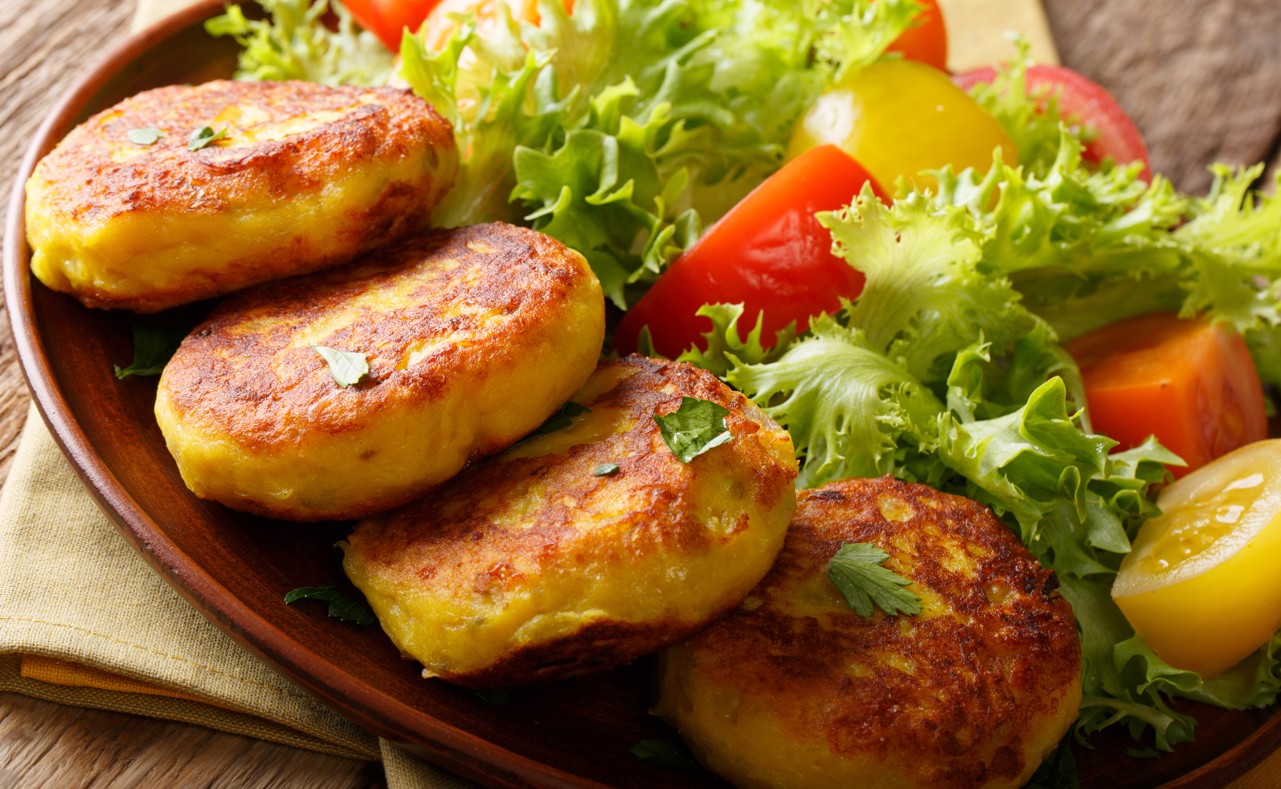
Llapingachos are cheese-stuffed potato patties fried until golden, often served with chorizo and a fried egg. Cuy Asado, roast guinea pig, is a traditional Andean delicacy reserved for special occasions, cooked whole over open coals until the skin is crisp. Hornado is whole roast pig, slow-cooked and served with potatoes, mote, and salad. Seco de Chivo is a hearty goat stew cooked with beer and spices. Empanadas de Viento are light, puffy fried cheese empanadas sprinkled with sugar. Morocho is a thick, sweet drink made from ground white corn, milk, and spices. Quimbolitos are soft, sweet steamed cakes wrapped in achira leaves, while tostado (toasted corn kernels) is a popular everyday snack.
Everyday Quito & Ecuadorian Food
Breakfast is often simple, featuring bread with cheese, eggs, or humitas (steamed fresh corn cakes). Lunch (almuerzo) is the main meal of the day and commonly eaten as a fixed-price menú del día, which includes soup, a main dish with rice and protein, a small dessert, and fresh juice. Dinner is usually lighter, sometimes just a snack or a smaller plate.
Soup is an essential start to meals, especially at lunch. Rice appears on most plates, alongside potatoes or yuca (cassava). Ají chili sauce is always on the table, allowing diners to adjust heat to taste. Street food is vibrant and affordable, from empanadas to meat skewers. Dining is casual and family-oriented. Due to the altitude, visitors are advised to eat lightly at first and stay well hydrated.
Cultural Fusion: Indigenous Andean Foundations, Spanish Colonial Influence & Modern Synthesis
Quito’s cuisine is rooted in thousands of years of indigenous Andean agriculture focused on potatoes, corn, quinoa, and beans. Spanish colonization introduced pork, beef, chicken, dairy, rice, citrus, and new cooking methods such as frying and stewing, forming the basis of Ecuadorian comida criolla.
The relative isolation of the Andes preserved many pre-Hispanic dishes and ingredients, including cuy and locro. In recent years, Quito has embraced a nuevoandino (New Andean) movement that blends these traditions with modern techniques and global influences. This results in a cuisine where ancient potato soups, colonial pork dishes, and contemporary plates inspired by Amazonian ingredients coexist naturally.
Craft Beverage Scene and Local Libations
Quito’s beverage culture highlights warming traditional drinks, high-quality coffee, and a growing craft beer scene. Canelazo is the iconic local drink, made from aguardiente (sugar cane spirit), cinnamon, and naranjilla fruit, served hot on chilly evenings.
Chicha, a fermented corn drink, holds cultural significance, though it is more common in rural areas. Aguardiente and Zhumir are popular local spirits. Ecuadorian coffee, especially from regions such as Loja, is excellent and increasingly celebrated in Quito’s expanding café culture. Fresh fruit juices are exceptional due to the country’s biodiversity. Mainstream lagers such as Pilsener and Club Verde are widely available, while local craft beer is gaining popularity. What sets Quito apart is the ritual of canelazo and the remarkable variety of fresh juices.
International Dining and Contemporary Scene
As Ecuador’s capital, Quito offers a diverse international dining scene, including strong Peruvian, Italian, Middle Eastern, and Asian options, particularly in La Mariscal and La Floresta.
The most exciting development is nuevoandino cuisine, where chefs reinterpret traditional Andean ingredients with modern techniques, producing elegant dishes that reflect Ecuador’s biodiversity. Despite this innovation, the soul of Quito’s food culture remains in its traditional huecas (hole-in-the-wall eateries), busy markets such as Mercado Central, and family-run restaurants in the old town.
Food Customs and Practical Tips
Dining in Quito is casual, and service can be relaxed. A 10 percent tip is standard in restaurants and is often included on the bill as servicio. Small charges for bread and ají are common.
The menú del día offers excellent value and an authentic lunch experience. Street food is generally safe if stalls are busy, but visitors should be cautious with raw produce and always drink bottled or purified water. Those wishing to try cuy should seek out specialist restaurants. Visiting Mercado Central provides a lively, authentic food experience. Take time to adjust to the altitude and pace meals accordingly.
Explore different neighborhoods: the Centro Histórico for traditional cuisine in colonial settings; La Mariscal for international restaurants and nightlife; and La Floresta or Guápulo for trendy cafes and nuevoandino dining. Try both a classic hueca and a modern tasting menu. Quito offers excellent value, particularly at local eateries. Most importantly, embrace Quito’s culinary spirit: warm, hearty, and deeply historical, reflecting the resilience and richness of Andean life.
This guide covers what to eat in Quito, from Locro de Papa and Fritada to Llapingachos, Cuy, and Ecuadorian classics. Use it to plan your culinary exploration of one of the world’s highest capital cities.
Check monthly weather averages for
Latest Secret Flying deals to Quito
Tampa, Florida to Quito, Ecuador for only $495 roundtrip
Cheap flights from Tampa, Florida to Quito, Ecuador for only $495 roundtrip with Copa Airlines.
View DealNew York to Quito, Ecuador for only $406 roundtrip
Cheap flights from New York to Quito, Ecuador for only $406 roundtrip with Delta Air Lines and LATAM Airlines.
View DealSUMMER: Los Angeles to Quito, Ecuador for only $420 roundtrip
Summer flights from Los Angeles to Quito, Ecuador for only $420 roundtrip with United Airlines.
View Deal [adblockingdetector id="638efa67113bf"]