


Riga Food Guide
Food in Riga: What to Eat & Drink
Riga’s culinary landscape is a hearty, quietly soulful, and resurgent expression of the Baltic world, where Hanseatic trade traditions, Nordic restraint, and the layered legacies of German, Russian, and Soviet rule converge into a cuisine defined by seasonality, preservation, and a powerful sense of place. As the cosmopolitan capital of Latvia, shaped by centuries of foreign dominion and reborn after independence, Riga has developed a food culture that is deeply rooted in Latvian peasant traditions while confidently embracing a modern European identity.
Set at the mouth of the Daugava River on the Baltic Sea, and surrounded by forests and farmland, Riga’s cuisine reflects a land where survival once depended on smoking, fermenting, pickling, and foraging. Today, those same techniques are celebrated rather than hidden, forming the backbone of a dining scene that ranges from medieval cellar taverns to sleek, minimalist restaurants in Art Nouveau buildings. Food in Riga is an expression of resilience and identity, where dark rye bread is a national symbol and every meal quietly tells the story of the Baltic landscape.
Core ingredients reflect Latvia’s forests, fields, and coastline: dark rye bread (rupjmaize), potatoes, cabbage, root vegetables, freshwater and Baltic fish (especially herring and smoked sprats), pork, sour dairy products, dill, caraway, wild mushrooms, and forest berries. Dishes are earthy, savory, sour, and smoky, favoring substance over ornamentation and honoring the rhythms of nature rather than excess. From Soviet-era canteens to modern tasting menus built around foraged ingredients, eating in Riga is a journey through history, terroir, and understated innovation.
Local Specialties of Riga
Riga’s most iconic foods are pillars of Latvian national cuisine. Rupjmaize, the dense, dark sourdough rye bread often sweetened with malt, is the foundation of nearly every meal and a source of national pride.
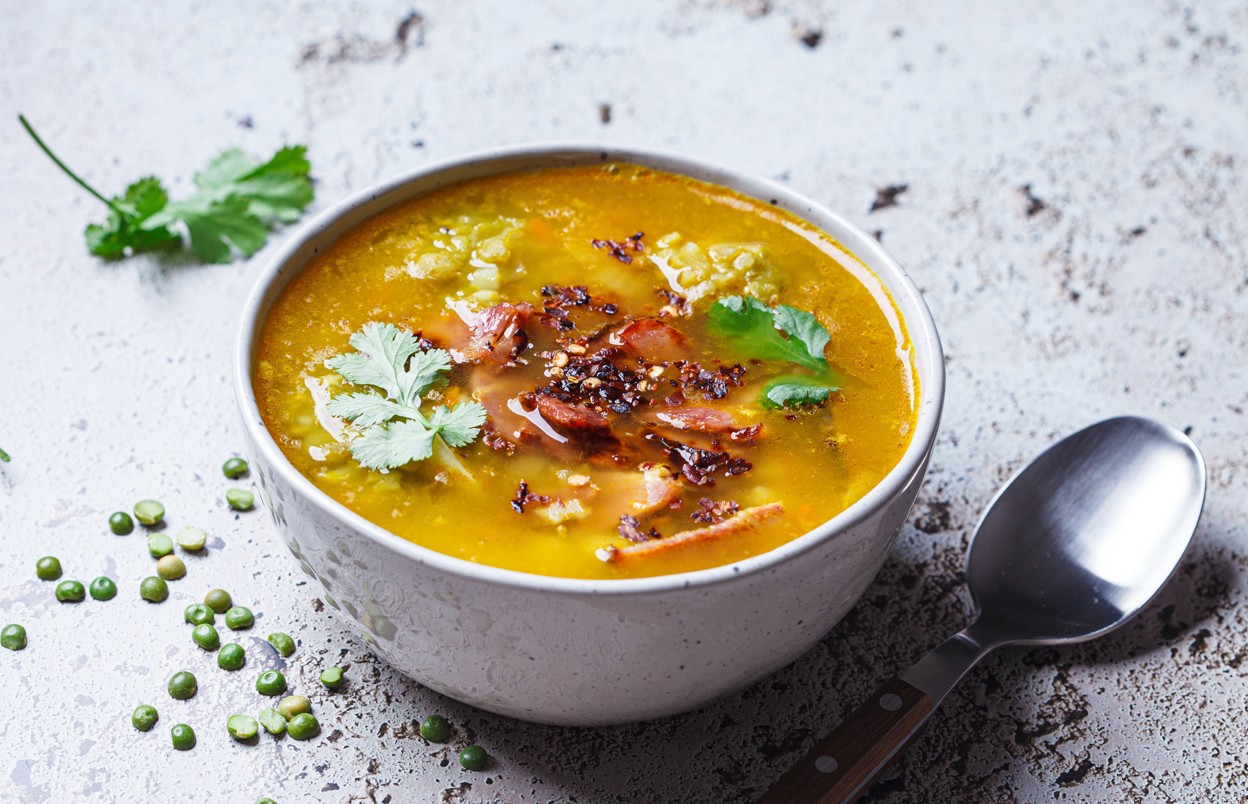
Pelēkie Zirņi ar Speķi (grey peas with bacon) is the ultimate Latvian comfort dish, made from large grey peas stewed with fried onions and chunks of fatty bacon. Skābeņu Zupa (sorrel soup) is a bright, sour, creamy soup traditionally served with a hard-boiled egg, especially popular in spring.
Pīrāgi are small crescent-shaped pastries filled with finely chopped bacon and onions, served at celebrations and as everyday snacks. Jāņu siers, a fresh cheese flavored with caraway seeds, is traditionally eaten during the midsummer festival.
Siļķe ar Biezpienu (herring with cottage cheese) highlights the Latvian love of balancing salty and fresh flavors. Rasols, a hearty potato salad with meat, pickles, peas, and mayonnaise, is common at family gatherings. Riga Black Balsam, the city’s famous bitter herbal liqueur, is Latvia’s most iconic drink.
Everyday Riga & Latvian Food
Breakfast is often substantial, centered around open-faced rye sandwiches (sviestmaizes) topped with cheese, ham, or fish. Lunch is typically the main hot meal of the day, while dinner may be lighter.
Everyday dining happens in self-service cafeterias, traditional beer taverns, old-style cafés, modern specialty coffee shops, and increasingly refined design restaurants. Meals are commonly paired with light lagers, rye bread kvass, mineral water, or local spirits. Coffee culture is strong, blending Soviet-era café traditions with third-wave roasting. Dining tends to be relaxed and unhurried.
Cultural Fusion: Baltic Roots, Hanseatic Trade & Modern Nordic Influence
Latvian cuisine originates in ancient Baltic and Livonian foodways built on grains, fish, and foraging. German Hanseatic traders introduced beer culture, baking traditions, and spiced sweets. Russian and Soviet rule added dishes like dumplings and standardized canteen food, often at the expense of local nuance.
Since independence, Latvia has looked north for inspiration. The New Nordic movement has strongly influenced Riga’s modern cuisine, emphasizing local, seasonal, and foraged ingredients prepared with clarity and restraint. Today, Riga’s table can include a peasant dish of grey peas, a Soviet-era cutlet, and a modern plate of smoked fish with forest herbs, all reflecting different layers of the city’s history.
Craft Beverage Scene and Local Libations
Beer is the everyday drink in Riga, traditionally crisp, light lagers, though a growing craft scene is expanding styles and experimentation. Riga Black Balsam is the essential local spirit: a potent, complex herbal liqueur made from dozens of botanicals, consumed neat, in cocktails, or stirred into coffee.
Kvass, a lightly fermented rye bread drink, is mildly sour and refreshing. Fruit wines and liqueurs made from cranberries, rhubarb, and other northern produce are common, as is an emerging craft cider movement. Specialty coffee has a passionate following. Riga’s beverage culture stands out for its blend of old rituals and modern creativity.
International Dining and Contemporary Scene
Riga’s international dining scene is diverse and refined, reflecting its long cosmopolitan history and EU connections. Russian, Georgian, Italian, Asian fusion, and modern European restaurants are widely available, particularly in the city center.
The most exciting development is Modern Latvian cuisine, where chefs apply Nordic-inspired techniques to local ingredients such as mushrooms, berries, herbs, and freshwater fish. These restaurants tell the story of Latvia’s landscape through minimalist, thoughtful plates. Still, the soul of everyday dining remains in traditional taverns and self-service cafeterias, where locals return for familiar flavors and comfort.
Food Customs and Practical Tips
Dress is smart-casual, and Latvians tend to dress neatly when dining out. Tipping around 10% is appreciated but not mandatory; check whether service is included. Lunch menus often offer excellent value. Many restaurants are located in historic basements or cellars, so watch your head.
For an authentic experience, eat at a traditional beer tavern in Old Riga, visit a self-service cafeteria for classic Latvian home cooking, and sample Riga Black Balsam in a cocktail or coffee. Do not miss the rye bread, which is often served complimentary. Visit Riga Central Market, housed in former Zeppelin hangars, to see local produce, smoked fish, and dairy.
Explore Old Town for historic taverns, the city center for modern cafés and business lunches, and Miera iela for a cluster of creative cafés and bars. Try both a traditional Latvian meal and a modern tasting menu. Be prepared for hearty, carb-rich food. Most importantly, embrace Riga’s culinary spirit: honest, seasonal, forest-driven, quietly refined, and deeply tied to national identity—a true taste of the Baltic soul.
This guide covers what to eat in Riga, from rye bread and grey peas with bacon to Riga Black Balsam, pīrāgi, and modern Latvian cuisine. Use it to plan your culinary exploration of Latvia’s capital.
Check monthly weather averages for
Latest Secret Flying deals to Riga
Bangkok, Thailand to Riga, Latvia for only $199 USD one-way
Cheap flights from Bangkok, Thailand to Riga, Latvia for only $199 USD one-way.
View DealToronto, Canada to Riga, Latvia for only $628 CAD roundtrip
Cheap flights from Toronto, Canada to Riga, Latvia for only $628 CAD roundtrip with TAP Air Portugal.
View DealPhuket, Thailand to Riga, Latvia for only $239 USD one-way
Cheap flights from Phuket, Thailand to Riga, Latvia for only $239 USD one-way.
View Deal [adblockingdetector id="638efa67113bf"]