


Salvador Food Guide
Food in Salvador: What to Eat & Drink
Salvador da Bahia’s culinary landscape is a vibrant, soulful, and spiritually charged expression of Afro-Brazilian culture, where West African traditions, Portuguese colonial influence, and indigenous Brazilian ingredients converged over centuries to create one of the world’s most distinctive cuisines. As Brazil’s first capital and the epicenter of the country’s African diaspora, Salvador developed a food culture deeply connected to Candomblé rituals, the legacy of slavery, and the abundant tropical bounty of the Bahian coast. Shaped by its history as a sugar and slave-trade port, its position as the heart of Black Brazilian culture, and its joyous, rhythmic character, Bahian cuisine is a celebration of dendê (palm oil), coconut milk, fiery peppers, dried shrimp, and fresh seafood, all prepared with ceremonial care that elevates cooking into a sacred act.
Core ingredients such as dendê oil, coconut milk, malagueta and dedo-de-moça peppers, dried shrimp (camarão seco), fresh cilantro, cassava flour, and beans form the foundation of Bahian cooking. Dishes are known for their rich, often spicy and creamy profiles, masterful seafood preparation, and carefully balanced layers of flavor that blend earth, ocean, and tropics. Salvador’s location on the Bay of All Saints provides abundant fish and shellfish, while the fertile Recôncavo region supplies coconuts, cassava, and palm oil. From baianas frying acarajé in Pelourinho to moqueca specialists in Rio Vermelho, eating in Salvador is a sensory and cultural pilgrimage into the heart of Brazil.
Local Specialties of Salvador
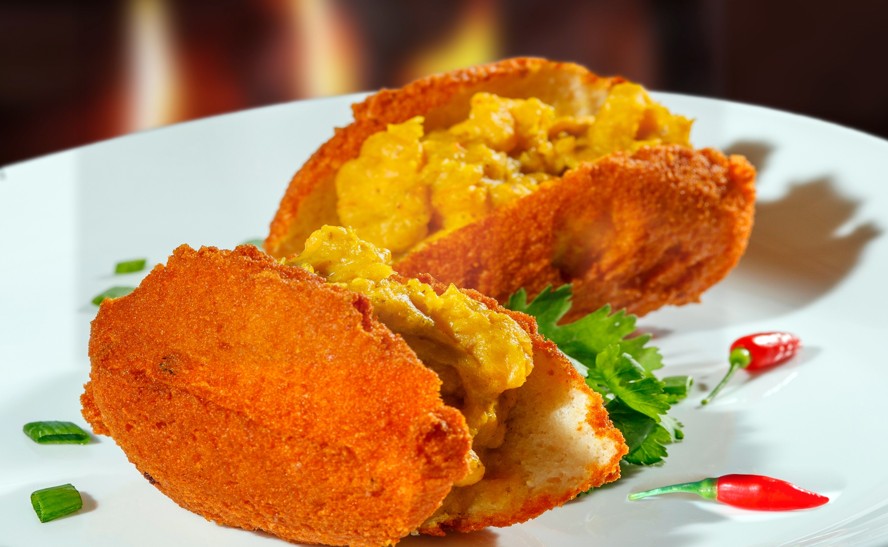
Salvador’s iconic dishes are culinary institutions with deep spiritual and cultural meaning. Acarajé is the queen of Bahian street food: a deep-fried ball of mashed black-eyed peas stuffed with vatapá, caruru, dried shrimp, and hot pepper sauce, prepared by baianas dressed in traditional white garments. Moqueca Baiana is the city’s signature stew, slow-cooked in a clay pot with fish or seafood, dendê oil, coconut milk, tomatoes, onions, cilantro, and peppers, served with rice and pirão.
Vatapá is a rich, creamy paste of bread, shrimp, coconut milk, dendê oil, peanuts, and spices. Caruru, an okra and shrimp stew, is closely associated with Candomblé offerings. Bobó de Camarão is a luxurious shrimp stew thickened with puréed cassava and coconut milk. Sarapatel is a bold stew of pork offal and blood, reflecting Portuguese and African traditions of whole-animal cooking. Casquinha de Siri features seasoned crabmeat baked in its shell. Abará is acarajé’s steamed counterpart, wrapped in banana leaves. Xinxim de Galinha is a chicken stew with dried shrimp, peanuts, and dendê oil. Cocada, made from grated coconut and sugar, is sold everywhere as a beloved sweet.
Everyday Salvador & Bahian Food
Breakfast is simple, usually fresh fruit, bread, cheese, and strong coffee. Lunch is the main meal of the day, often a generous prato feito with rice, beans, farofa, a protein such as grilled fish or chicken, and salad. Dinner may be lighter, though weekends are reserved for family moquecas or churrascos.
Rice and beans form the sacred base of everyday meals, with farofa adding essential texture. Street food culture, particularly the baiana de acarajé, is central to daily life, alongside neighborhood botequins serving cold beer and snacks. Eating is communal, informal, and closely tied to religious and social calendars. Meals are often shared, sometimes eaten by hand, and accompanied by music and conversation.
Cultural Fusion: West African Soul, Portuguese Influence & Indigenous Roots
Bahian cuisine maintains direct links to West Africa through its use of palm oil, okra, black-eyed peas, and frying techniques. Portuguese influence appears in stews, clay pots, and sweets based on sugar and eggs. Indigenous contributions include cassava, native peppers, and tropical fruits.
The cuisine was shaped most profoundly by enslaved Africans who adapted their culinary traditions to new ingredients, creating dishes that preserved memory, identity, and spirituality. Salvador’s table reflects this fusion, where African ritual foods, Portuguese techniques, and Brazilian ingredients coexist in a cuisine that is both historical and living.
Craft Beverage Scene and Local Libations
Salvador’s beverage culture revolves around caipirinhas made with cachaça and tropical fruits, ice-cold beer, and an extraordinary range of fresh juices. Coconut water is consumed straight from the fruit, especially along the beaches.
Fresh juices made from cashew fruit, passion fruit, mango, soursop, and countless other fruits are ubiquitous. Capeta, a local cocktail from Pelourinho made with cachaça, condensed milk, cinnamon, and guaraná powder, is famously potent. Coffee is strong and sweet, served in small cups. The defining experience is drinking cold beer or caipirinhas alongside street food as the city comes alive in the evening.
International Dining and Contemporary Scene
Salvador offers a modest international dining scene, including Italian, Japanese, and Arab restaurants, reflecting immigrant communities. Contemporary Bahian cuisine is emerging slowly, with chefs refining traditional dishes in more formal settings.
However, the true soul of Salvador’s food culture remains in its street stalls, markets, and family-run cantinas. The emphasis is not on global trends but on preserving and celebrating a cuisine that is inseparable from the city’s cultural identity.
Food Customs and Practical Tips
Dining in Salvador is relaxed and communal. Service follows “Bahian time” and can feel unhurried. Tipping is usually around 10 percent and often included on the bill. Eating acarajé by hand is normal, and washing hands beforehand is customary.
For the most authentic experience, eat acarajé from baianas in traditional dress, enjoy lunch at a local pay-by-weight buffet, and explore markets such as Mercado Modelo or São Joaquim. Visit Pelourinho for iconic street food, Rio Vermelho for traditional restaurants and nightlife, and beachfront areas like Barra and Itapuã for seafood. Salvador rewards adventurous eaters with intense flavors, generous portions, and a deep connection between food, history, and spirituality.
This guide covers what to eat in Salvador, from acarajé and moqueca baiana to vatapá, bobó de camarão, and the essential dishes of Afro-Brazilian cuisine.
 [adblockingdetector id="638efa67113bf"]