


Samoa Food Guide
Food in Samoa: What to Eat & Drink
Samoa’s culinary landscape is a communal, earthy, and deeply ceremonial expression of the South Pacific, where ancient Polynesian voyaging traditions, the bounty of volcanic soil and ocean, and the Christian church calendar converge to create a food culture defined by umu (earth oven) cooking, reverence for the to’ona’i (Sunday feast), and a spirit of fa’aaloalo (respect) that infuses every shared meal. As a nation of islands where fa’a Samoa (the Samoan way) shapes daily life—rooted in village rhythms and the ’aiga (extended family)—Samoa has developed a cuisine that remains staunchly traditional in both method and ingredient. Meals are governed by the cycle of the plantation, the fishing canoe, weekly umu preparations, and the joyful abundance of celebrations.
Core ingredients are the staples of the Pacific: taro (including starchy ta’amu and other local varieties), breadfruit (ulu), coconut (milk, cream, grated flesh, oil), fresh seafood (tuna, snapper, octopus, lobster), pork (the ceremonial centerpiece), chicken, green bananas and plantains, yams, and tropical fruits such as papaya, mango, and pineapple. Dishes tend toward earthy, creamy, subtly sweet flavors, with a mastery of slow cooking in the umu and the confident handling of raw seafood. Samoa’s volcanic geography and rich reefs provide a largely self-sufficient larder. From a family umu in a village to a plate lunch from an Apia market stall, eating in Samoa is a journey through tradition, family, and Pacific abundance.
Local Specialties of Samoa
Samoa’s most iconic dishes revolve around the umu and coconut-rich staples. Palusami is the quintessential dish: young taro leaves bundled into parcels, filled with coconut cream, and baked in the umu until the leaves are tender and the cream is thick and set.
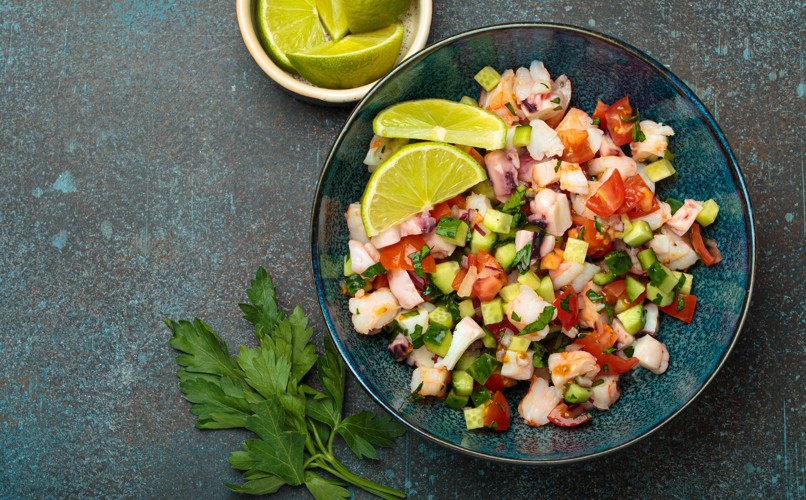
Oka i’a is Samoa’s version of ceviche: raw fish (often tuna) cured in lemon or lime juice, then mixed with coconut cream, onions, and sometimes chili. Fa’alifu refers to foods—taro, breadfruit, green bananas—cooked and finished in coconut cream for a rich, comforting texture.
Sapa Sui is Samoan chop suey, a Chinese-influenced dish adapted locally: meat and vegetables stir-fried with soy sauce and noodles. Lu’au can refer to taro leaves cooked with coconut cream, similar in spirit to palusami, sometimes enriched with canned corned beef (pisupo).
Umu Pork is the celebratory centerpiece: whole pig or large cuts roasted for hours in the earth oven until tender and smoky. Pani Popo are sweet coconut buns baked in coconut sauce, a beloved treat. Koko Samoa is the local drinking chocolate: thick, slightly gritty, and potent, made from locally grown cocoa.
Everyday Samoa & Samoan Food
Breakfast may be light (fruit and tea) or more substantial, especially if leftovers from Sunday remain. Lunch is often the main cooked meal on weekdays. The Sunday to’ona’i is the cornerstone of the week: after church, families gather for a large feast featuring umu-cooked dishes, usually eaten as a late lunch.
Eating is deeply communal. Meals are commonly served on woven mats (fala), with people seated on the floor. It is polite to wait for a prayer (lotu) before eating. Food is shared from central platters rather than portioned individually. Drinks include niu (fresh coconut water), vai tipolo (lemonade), tea, and koko Samoa. The pace is slow and social, with conversation and hospitality as important as the food itself.
Cultural Fusion: Polynesian Foundations, Missionary & Colonial Influences, Modern Global Contact
Samoa’s culinary foundation is the ancient Polynesian diet of root crops, coconut, and seafood, cooked in the umu. Missionary influence reinforced the prominence of Sunday feasting. Colonial administrations—particularly German and later New Zealand rule—introduced imported staples, especially pisupo (canned corned beef), which became deeply embedded in everyday cooking and celebratory meals.
Chinese merchants contributed stir-frying and noodles, creating dishes like sapa sui. Modern contact has added more global foods, but the cuisine’s core remains unmistakably Samoan. The result is a table where umu-baked taro and coconut cream sit comfortably alongside noodle dishes and canned-meat adaptations, all unified by the ever-present coconut.
Craft Beverage Scene and Local Libations
Samoa’s beverage culture is modest and mostly non-alcoholic, rooted in tradition. Koko Samoa is the standout: a strong hot chocolate made from local cocoa, often served thick and intensely flavored.
Niu (fresh coconut water) is the everyday refreshment, drunk straight from a newly opened green coconut. Vailima Beer is the national lager brewed in Apia. ’Ava (kava) is the ceremonial drink, prepared from the pepper plant’s root and consumed in formal ava ceremonies with structured protocol and deep cultural meaning.
Fresh fruit juices are common, and soft drinks are popular. The defining experience is not bar culture but ceremony and community: an ava gathering, or sharing koko Samoa in the morning, feels uniquely Samoan.
International Dining and Contemporary Scene
In Apia, you can find international restaurants catering to locals and visitors—Chinese, Italian, Indian, Japanese, and Western-style cafes. Resorts on Upolu and Savai’i offer more tourist-oriented menus.
However, “modern Samoan cuisine” as a fine-dining movement is limited. Innovation tends to happen within homes and villages rather than in a chef-driven restaurant culture. The heart of Samoan dining remains the home umu, the family to’ona’i, and market plates of palusami, fa’alifu, and oka i’a. For visitors, this authenticity is the main attraction: Samoa offers a traditional Pacific Island food culture still strongly connected to land, sea, faith, and family.
Food Customs and Practical Tips
Dress modestly, particularly in villages, and remove shoes before entering a fale. Ask permission before photographing people or food preparations. Sunday is a day of worship and rest; many businesses close and the to’ona’i feast becomes the focus.
For an authentic experience, try to attend or be invited to a Sunday to’ona’i, which is Samoa’s defining culinary ritual. Visit the Apia Market (Maketi Fou) to see local produce and try ready-to-eat staples. Eat oka i’a and palusami whenever you can—these are essential. If invited, attend an ava ceremony and follow local guidance on protocol.
Explore Apia for market food and the broadest dining options, coastal villages for fresh fish and everyday island cooking, and resorts for “Samoan Night” feasts featuring umu food and cultural performances. Be adventurous with textures—taro and other root crops are central and very starchy. Most importantly, embrace Samoa’s culinary spirit: generous, communal, respectful, and inseparable from family and faith—a true taste of fa’a Samoa.
This guide covers what to eat in Samoa, from palusami and oka i’a to umu pork, koko Samoa, and the Sunday to’ona’i feast. Use it to plan your culinary journey into Polynesian culture.
Check monthly weather averages for
Latest Secret Flying deals to Samoa
Auckland, New Zealand to Apia, Samoa for only $572 NZD roundtrip
Cheap flights from Auckland, New Zealand to Apia, Samoa for only $572 NZD roundtrip with Fiji Airways.
View DealAuckland, New Zealand to Apia, Samoa for only $464 NZD roundtrip (Aug dates)
Cheap flights from Auckland, New Zealand to Apia, Samoa for only $464 NZD roundtrip with Fiji Airways.
View DealAROUND THE WORLD: London, UK visiting 7 countries for only £950 roundtrip
An amazing around the world trip from London, UK visiting 7 countries for only £950 roundtrip.
View Deal [adblockingdetector id="638efa67113bf"]