


Santiago Food Guide
Food in Santiago, Chile: What to Eat & Drink
Santiago’s culinary landscape is a sophisticated, hearty, and wine-soaked expression of Chile’s central valley, where Mapuche foundations, Spanish colonial traditions, and a modern gastronomic revolution converge to create a cuisine defined by its quality ingredients, rustic preparations, and world-class wines. As Chile’s bustling capital nestled against the Andes, Santiago developed a food culture that is both deeply traditional and dynamically innovative, governed by the seasons of its fertile central valley and a growing national pride in its culinary identity. Shaped by its geographic isolation, its long Pacific coastline, and a society that values family and social gatherings, Chilean cuisine in Santiago is a celebration of bread, beef, seafood, beans, and avocado, all served with straightforward honesty and accompanied by the country’s exceptional wines. This is a city where classic mercado stalls serving cazuela coexist with sleek fine-dining temples, where the pisco sour is a national ritual, and where every meal is an opportunity to taste the unique flavors of a land between mountains and sea.
Core ingredients like beef, pork, chicken, beans, potatoes (especially the unique native varieties like papa chola), corn, squash, seafood from the cold Humboldt Current, and a staggering array of fresh produce from the valley form the foundation. Dishes are characterized by their comforting, home-style flavors, a mastery of simple grilling and slow simmering, and an emphasis on the inherent quality of Chile’s pristine ingredients. Santiago’s geography provides a unique larder: seafood from the coast, beef and fruits from the central valley, and wines from nearby valleys. Its identity is one of European-influenced urbanity with a rugged Chilean heart, where modern skyscrapers cast shadows on century-old cantinas. From a traditional fonda in the bustling Mercado Central to a groundbreaking tasting menu in the trendy Lastarria neighborhood, eating in Santiago is a delicious journey through Chile’s past and its ambitious future.
Local Specialties of Santiago
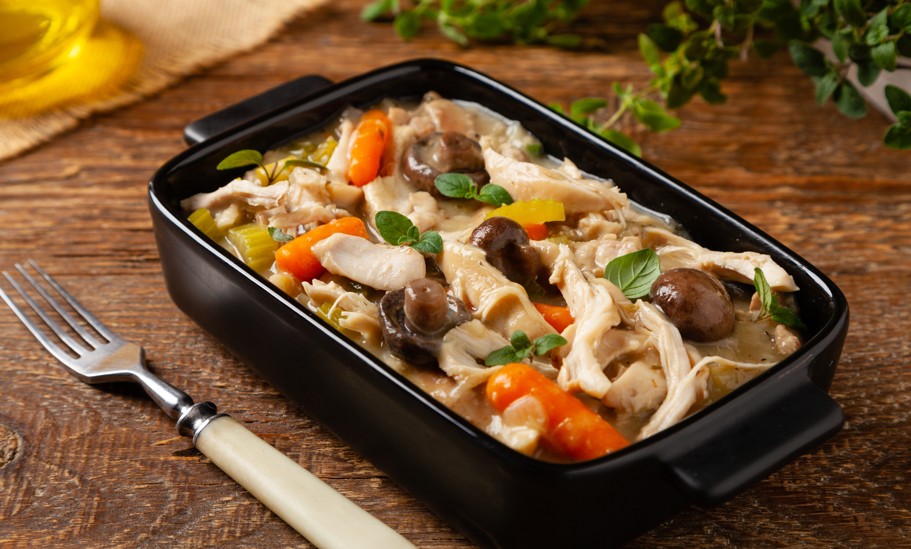
Santiago’s iconic dishes are pillars of Chilean comfort food: Cazuela is the soul of Chilean home cooking—a hearty, clear broth soup with a large piece of meat (beef, chicken, or turkey), a whole corn cob, potato, squash, and rice, often garnished with cilantro. Pastel de Choclo is the Chilean version of shepherd’s pie: a rich, sweet ground corn topping baked over a filling of pino (seasoned ground beef, onions, olives, and hard-boiled egg).
Empanadas de Pino are the national savory pastry: baked or fried turnovers filled with the same pino mixture, often with a single olive and a piece of hard-boiled egg inside. Porotos Granados is a summertime stew of cranberry beans, squash, corn, and basil, often with a hint of merkén spice. Completo is Chile’s epic take on the hot dog, loaded with avocado, tomato, mayonnaise, and sauerkraut. Chorrillana is a massive, shareable platter of french fries topped with sliced beef, onions, and fried eggs. Machas a la Parmesana are razor clams baked with cheese, butter, and white wine. Humitas are savory fresh corn tamales steamed in corn husks. Sopaipillas are fried pumpkin dough fritters, a popular street food, especially in winter.
Everyday Santiago & Chilean Food
Breakfast is light: toast with avocado or jam, coffee or tea. Once (pronounced ON-say) is a uniquely Chilean late-afternoon tea time, a light meal of bread, cheese, avocado, and sweets, often replacing dinner. Lunch (almuerzo) is the main cooked meal, often a set menu (menú del día) starting with a simple salad or soup, followed by a main course with sides.
The culture of the picada (a no-frills, local favorite restaurant), the fuente de soda (old-school soda fountain serving sandwiches and completos), and the traditional mercado is central. Eating is family-oriented and social. Bread (pan) is served with every meal, often marraqueta or hallulla. Pepper and salt are often the only condiments on the table, highlighting the reliance on the ingredients’ own flavors. Service can be brisk but efficient in traditional spots, more polished in modern ones.
Cultural Fusion: Mapuche Foundations, Spanish Colonial Heart & Modern Global Influences
Santiago cuisine has deep Mapuche roots, seen in the use of corn, beans, potatoes, and merkén (smoked chili powder). The Spanish brought wheat, grapes, beef, pork, and dairy, forming the colonial backbone. Later waves of German, Italian, and Middle Eastern immigration added pastries, pasta techniques, and spices.
The modern character is being defined by a New Chilean Cuisine movement, where chefs are rediscovering native ingredients like maqui berries, sea vegetables, and diverse potato species, and presenting them with contemporary techniques. This creates a Santiago table where you can taste pre-Columbian stews, 19th-century immigrant dishes, and 21st-century interpretations of Chilean classics—all within one city.
Craft Beverage Scene and Local Libations
Santiago’s beverage scene is world-class, anchored by its wine from the nearby Maipo, Casablanca, and Colchagua valleys. Pisco, the national grape brandy, stars in the iconic Pisco Sour.
Red wines such as Carménère and Cabernet Sauvignon are everyday staples. Artisanal beer has grown rapidly in popularity. Chicha, a lightly fermented grape drink, remains traditional. Mote con Huesillo—sweet peach juice with wheat berries—is a beloved summer refresher. Coffee culture is improving, and herbal teas like boldo or matico are commonly consumed for digestion.
International Dining and Contemporary Scene
As a major Latin American capital, Santiago offers excellent international dining, particularly Peruvian, Italian, Middle Eastern, and Asian fusion cuisines.
High-end contemporary Chilean cuisine thrives in neighborhoods like Lastarria, Bellavista, and Las Condes, while the soul of the city’s food culture remains in its picadas, mercados, and fuentes de soda. Visitors can easily experience both traditional comfort food and ambitious modern gastronomy within a single stay.
Food Customs and Practical Tips
Dining in Santiago ranges from casual to formal. Tipping around 10% is customary but not mandatory—check whether servicio is included. Lunch is usually the best-value meal, while dinner starts late.
For authenticity, eat at Mercado Central for seafood or La Vega Central for produce and home-style cooking. Try a completo from a classic fuente de soda like Dominó. Embrace once as a cultural ritual. Always taste your food before asking for salt or pepper.
This guide covers what to eat in Santiago, Chile, from Cazuela and Pastel de Choclo to Empanadas de Pino, Completo, and Chilean classics. Use it to plan your culinary journey to the heart of Chilean cuisine.
 [adblockingdetector id="638efa67113bf"]