


Sapporo Food Guide
Food in Sapporo: What to Eat & Drink
Sapporo’s culinary landscape is a hearty, seasonal, and quietly innovative expression of Hokkaido’s frontier bounty, where indigenous Ainu traditions, mainland Japanese techniques, and Western influences come together to form a cuisine unlike anywhere else in Japan. As Hokkaido’s capital and northern metropolis, Sapporo developed a food culture shaped by long winters, short but abundant summers, and a pioneering spirit that embraces both tradition and experimentation. Defined by exceptional dairy, pristine seafood, and robust flavors built for cold weather, the city’s cuisine celebrates miso ramen, Jingis Khan lamb barbecue, sweet corn, crab, uni, and beer. This is a place where food is both comfort and celebration, where steaming bowls and sizzling grills dominate the table, and where each season brings a new reason to eat well.
Core ingredients include Hokkaido milk and butter, potatoes, corn, pumpkin, lamb, salmon, king crab, sea urchin, scallops, and high-quality wheat. Dishes tend toward rich, savory, and deeply comforting flavors, with a strong emphasis on soup broths, grilled meats, and the generous use of dairy, still unusual in much of Japan. Sapporo’s position on the Ishikari Plain, with easy access to both the Sea of Japan and the Pacific Ocean, provides an extraordinary larder of cold-water seafood, volcanic-soil vegetables, and open pastureland. Its identity blends snowy urban charm with agricultural abundance, where neon-lit ramen alleys sit just minutes from wholesale fish markets. From a standing ramen counter in Susukino to refined multi-course meals highlighting Hokkaido’s produce, eating in Sapporo is a journey through Japan’s northern frontier.
Local Specialties of Sapporo
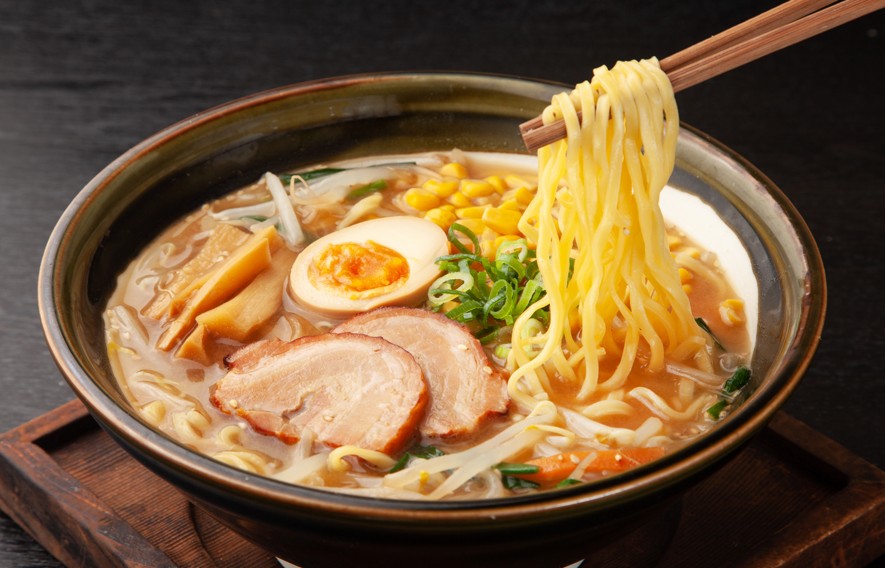
Sapporo’s most famous dish is miso ramen, a rich, warming bowl built on a fermented miso broth, springy curly noodles, and toppings such as bean sprouts, ground pork, sweet corn, and butter. Designed for winter, it is one of Japan’s most satisfying regional ramen styles.
Jingis Khan, the city’s iconic barbecue, features thinly sliced lamb or mutton grilled on a domed metal skillet alongside onions and vegetables, then dipped into a savory-sweet sauce. Kaisen-don is another standout: a bowl of rice topped with impeccably fresh seafood such as uni, ikura, crab, scallops, and sweet shrimp. Soup curry, which originated in Sapporo, is a lighter, spiced curry broth filled with large vegetables and chicken or other proteins, customized by spice level. Ishikari nabe is a traditional salmon hotpot cooked with vegetables, tofu, and miso-based broth.
Other local favorites include zangi, Hokkaido-style fried chicken marinated in soy sauce and garlic; butter corn ramen, which highlights local dairy and sweet corn; and an endless variety of soft-serve ice cream made with Hokkaido milk. The city is also famous for dairy-based sweets, including chocolates and confections produced by local makers.
Everyday Sapporo & Hokkaido Food
Breakfast may be traditional, with rice, miso soup, and grilled fish, or Western-style, featuring bread, salad, and Hokkaido milk. Lunch is often quick but high quality, with ramen, soup curry, or bento boxes showcasing local ingredients. Dinner is more social, ranging from barbecue and hotpot to casual izakaya hopping.
The ramen shop, especially in areas like Susukino’s ramen alleys, the seafood-focused izakaya, and the department store food hall are central to daily eating. Meals follow the seasons closely, with crab and uni in winter, and asparagus, melon, and corn in summer. Even casual dining feels purposeful and warm, particularly during the long winter months, with service that is efficient, polite, and welcoming.
Cultural Fusion: Ainu Roots, Japanese Techniques & Western Dairy Influence
Sapporo’s cuisine reflects the influence of Ainu foodways, particularly in the use of salmon, wild plants, and simple boiling techniques that survive in dishes like salmon hotpot. Japanese settlers brought rice cultivation, miso, and noodle traditions, while Western agricultural advisors in the 19th century introduced dairy farming, beer brewing, and sheep husbandry, all of which thrived in Hokkaido’s climate.
This blend produced a food culture where miso ramen is enriched with butter and corn, lamb barbecue became a regional staple, and dairy plays a central role. The result is a distinctly northern Japanese cuisine that feels both familiar and strikingly different from the rest of the country.
Craft Beverage Scene and Local Libations
Sapporo’s beverage culture is anchored by beer, most famously the locally brewed lager that helped define Japanese beer culture. Drinking fresh draft beer in a beer hall or garden, especially alongside grilled lamb, is a quintessential experience. Local sake tends to be clean and dry, pairing well with seafood.
Nearby Yoichi is home to a world-renowned whisky distillery, producing some of Japan’s most respected single malts. Wine from surrounding Hokkaido regions is gaining attention, particularly cool-climate whites. Non-alcoholic favorites include fresh milk, yogurt drinks, and corn tea. What sets Sapporo apart is the ease with which beer, dairy, and seafood come together as everyday pleasures.
International Dining and Contemporary Scene
Sapporo offers a solid range of international restaurants, including Italian, French, Korean, and Chinese, often incorporating Hokkaido ingredients. Russian influence appears occasionally in bakeries and cafes, reflecting the city’s northern geography.
Contemporary Japanese and fusion dining exists, but the heart of Sapporo’s food scene remains in its ramen shops, seafood markets, and lively izakayas. The city’s culinary focus is not on novelty for its own sake, but on showcasing exceptional ingredients in satisfying, time-tested forms. For visitors, Sapporo delivers some of Japan’s most definitive regional dishes in the place they were perfected.
Food Customs and Practical Tips
Dining in Sapporo ranges from extremely casual to refined. Tipping is not practiced, and slurping noodles is perfectly acceptable. At Jingis Khan restaurants, grilling your own meat at the table is part of the experience.
For a classic introduction, visit a ramen alley in Susukino, enjoy lamb barbecue at a traditional beer garden, or eat an early-morning seafood bowl at Nijo Market. Soup curry is a must-try local specialty. In winter, seasonal festivals add street food, grilled snacks, and hot drinks to the experience.
Susukino is best for nightlife, ramen, and seafood; Odori Park and Tanukikoji offer cafes and sweets; the Sapporo Station area is ideal for food halls and upscale dining. Balance well-known institutions with small neighborhood izakayas, and consider a day trip to Otaru for more seafood or to Yoichi for whisky. Sapporo offers excellent value for the quality of its ingredients. Most of all, embrace the city’s culinary character: generous, warming, and deeply connected to the land and sea of Hokkaido.
This guide covers what to eat in Sapporo, from miso ramen and Jingis Khan to kaisen-don, soup curry, and Hokkaido classics. Use it to plan your culinary journey through Japan’s northern food capital.
Check monthly weather averages for
Latest Secret Flying deals to Sapporo
Seattle to Japanese cities from only $529 roundtrip
Cheap flights from Seattle to Japanese cities from only $529 roundtrip with Asiana Airlines.
View DealSan Francisco to Sapporo, Japan for only $566 roundtrip
Cheap flights from San Francisco to Sapporo, Japan for only $566 roundtrip with Asiana Airlines.
View DealLondon, UK to Sapporo, Japan for only £404 roundtrip
Cheap flights from London, UK to Sapporo, Japan for only £404 roundtrip.
View Deal [adblockingdetector id="638efa67113bf"]