


Seoul Food Guide
Food in Seoul: What to Eat & Drink
Seoul’s culinary landscape is a dynamic, deeply traditional, and relentlessly innovative expression of Korea’s capital, where ancient royal court cuisine, resilient peasant food traditions, and hyper-modern culinary trends converge to create one of the world’s most exciting and complex food cultures. As a city that has risen from the ashes of war to become a global cultural powerhouse, Seoul developed a food culture that is fiercely protective of its heritage while voraciously embracing the new, governed by Confucian principles of balance, medicinal wisdom, and the communal joy of sharing. Shaped by its mountainous geography, four distinct seasons, and a work-hard, play-hard societal rhythm, Seoul’s cuisine is a celebration of fermented flavors, grilled meats, savory pancakes, steaming soups, and an endless variety of banchan (side dishes), all served with a precision and passion that reflects Korea’s meticulous soul. This is a city where 600-year-old recipes are preserved in palace kitchens while futuristic dessert cafes rise in Gangnam, where every alley holds a culinary secret, and where eating is not just nourishment but a vital social art form.
Core ingredients like gochujang (fermented chili paste), doenjang (soybean paste), ganjang (soy sauce), garlic, sesame oil, rice, and napa cabbage form the foundational flavors. Dishes are characterized by their bold, umami-rich, and often spicy profiles, a mastery of fermentation and preservation, and an artful presentation that values color and balance. Seoul’s position on the Han River with mountains on all sides shaped a cuisine that historically relied on preserved foods for long winters. Its identity is one of dynastic grandeur and neon-lit modernity, where hanok villages sit beneath digital billboards. From a humble pojangmacha (street tent stall) in Jongno to a Michelin-starred hanjeongsik (full Korean course meal), eating in Seoul is a profound journey through Korea’s history, resilience, and contemporary creativity.
Local Specialties of Seoul
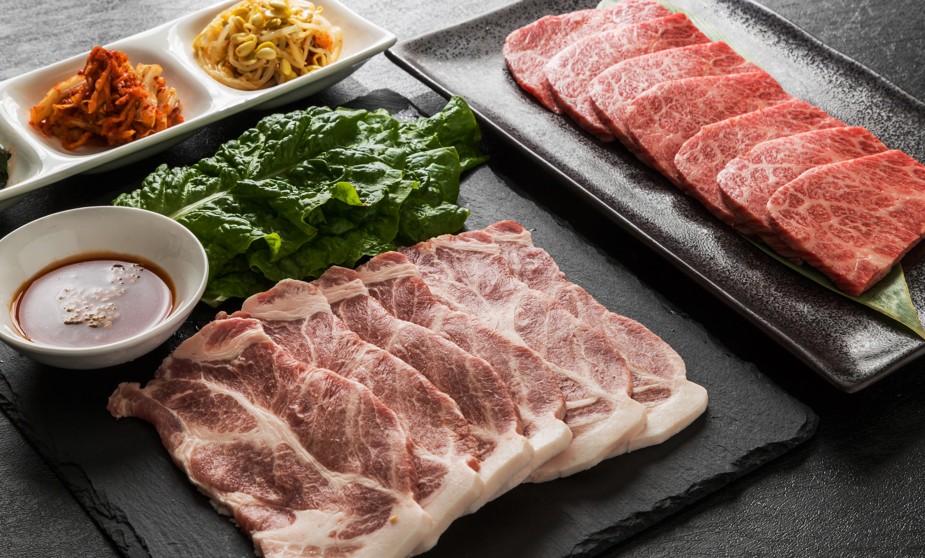
Seoul’s iconic dishes reflect both royal refinement and everyday comfort. Samgyeopsal is the quintessential social meal: thick slices of pork belly grilled at the table, wrapped in lettuce or perilla leaves with garlic, kimchi, and ssamjang. Galbi, marinated beef short ribs, is another classic, especially popular in traditional grill houses. Bibimbap, the mixed rice bowl with vegetables, meat, egg, and gochujang, is often served as dolsot bibimbap in a sizzling stone bowl.
Kimchi Jjigae is the deeply comforting stew of aged kimchi, pork, and tofu. Sundubu Jjigae features silken tofu in a spicy broth. Jokbal, braised pig’s trotters, is a beloved anju dish. Tteokbokki, chewy rice cakes in a sweet-spicy sauce, dominates the street-food scene. Gimbap is a portable everyday staple. Korean Fried Chicken, double-fried and often glazed with sweet-spicy sauce, is a national obsession. Bingsu, shaved milk ice with sweet toppings, and Seolleongtang, milky ox-bone soup, round out Seoul’s most iconic foods.
Everyday Seoul & Korean Food
Breakfast may be soup and rice, gimbap, or a quick noodle dish. Lunch is efficient, often a single-dish meal like naengmyeon or a set menu. Dinner is the main social event, frequently involving shared grills, stews, and multiple rounds of drinks.
The culture of the hof (pub), pojangmacha (street tent), specialty restaurants dedicated to one dish, and late-night eateries is central. Meals are communal and interactive, with all dishes served at once. Banchan are refillable and essential. Dining is closely tied to drinking culture, and food is often paired deliberately with soju or makgeolli. Service is fast, direct, and efficient, reflecting the city’s nonstop rhythm.
Cultural Fusion: Royal Court Cuisine, Peasant Traditions & Global Innovation
Seoul’s culinary roots rest on the refined balance of Joseon Dynasty royal cuisine and the hardy, preservation-focused food of common people. Palace dishes emphasized harmony, seasonality, and presentation, while market food favored strong flavors and fermentation.
Modern Seoul reinterprets both traditions through global influence and trend-driven creativity. This produces a table where ancient palace recipes, comfort stews, viral street foods, and cutting-edge fine dining coexist seamlessly, making Seoul one of the world’s most exciting food cities.
Craft Beverage Scene and Local Libations
Seoul’s beverage culture is defined by social drinking. Soju is the national spirit, consumed communally with strict etiquette. Makgeolli, the milky fermented rice wine, has experienced a major craft revival.
Korean beer is commonly paired with fried chicken. Sikhye, a sweet rice punch, and bori cha (barley tea) are common non-alcoholic drinks. Coffee culture is immense, with Seoul boasting one of the highest cafe densities in the world, ranging from themed cafes to elite third-wave roasters. What defines Seoul is the seamless blend of traditional drinking rituals and cutting-edge cafe culture.
International Dining and Contemporary Scene
Seoul offers world-class international dining, including refined French, Italian, Japanese, and Chinese cuisine, often infused with Korean ingredients. High-end modern Korean dining has gained global recognition, with chefs reimagining traditional dishes through contemporary techniques.
Yet the soul of the city remains in markets like Gwangjang, humble soup houses, and late-night street stalls. Seoul’s dining scene thrives on contrast: reverence for tradition paired with fearless innovation. Visitors can enjoy extraordinary food at every price point.
Food Customs and Practical Tips
Dining etiquette matters. Do not stick chopsticks upright in rice. Use spoons for rice and soup. Pour drinks for others, not yourself. Tipping is not practiced.
For the best experience, eat at specialty restaurants, explore traditional markets, and embrace communal dining. Learn basic phrases, accept banchan refills, and expect spice, garlic, and bold flavors. Explore neighborhoods like Hongdae, Myeongdong, Insadong, Gangnam, and Jongno for distinct food experiences. Seoul rewards curiosity and appetite, offering incredible value and depth for food lovers.
This guide covers what to eat in Seoul, from Samgyeopsal and Bibimbap to Tteokbokki, Korean Fried Chicken, and timeless Korean classics. Use it to plan your culinary journey through one of the world’s great food capitals.
Check monthly weather averages for
Latest Secret Flying deals to Seoul
Brussels, Belgium to Seoul, South Korea for only €442 roundtrip
Cheap flights from Brussels, Belgium to Seoul, South Korea for only €442 roundtrip.
View Deal
Milan, Italy to Seoul, South Korea for only €436 roundtrip
Cheap flights from Milan, Italy to Seoul, South Korea for only €436 roundtrip.
View Deal [adblockingdetector id="638efa67113bf"]