


Seville Food Guide
Food in Seville: What to Eat & Drink
Seville’s culinary landscape is a vibrant, soulful, and sun-drenched expression of Andalusian culture, where Moorish sophistication, Roman and Jewish influences, and the hearty traditions of rural Andalusia converge to create a cuisine defined by bold flavors, frugal genius, and joyful conviviality. As the capital of Andalusia and the historic gateway to the Americas, Seville developed a food culture rooted in its riverside setting and agricultural hinterland, governed by the rhythms of tapas crawls, ferias, and long, warm evenings. Shaped by its Islamic past, its Catholic fervor, and a proud local character, Sevillano cuisine is a celebration of fried fish, cured ham, olives, citrus, and sherry, all served with a theatrical flair and a profound sense of place. This is a city where food is celebration, where every neighborhood bar has its specialty, and where eating is a social performance that unfolds from afternoon until the early hours.
Core ingredients like extra virgin olive oil, garlic, cumin, saffron, paprika (both sweet and smoked), sherry vinegar, jamón ibérico, fresh fish from the Gulf of Cádiz, and citrus from surrounding huertas form the foundation. Dishes are characterized by their bold, often salty and tangy profiles, a mastery of frying and slow-cooking, and a simplicity that transforms humble ingredients into revelatory bites. Seville’s geography on the Guadalquivir River valley provides fertile land for olives, citrus, and vegetables, while its proximity to the Atlantic brings fresh seafood. Its identity is one of Baroque grandeur and intimate patios, where bullfighting posters decorate bustling tapas bars. From a standing counter in the Triana market to a white-tablecloth restaurant in Santa Cruz, eating in Seville is a delicious pilgrimage through the heart of Spanish food culture.
Local Specialties of Seville
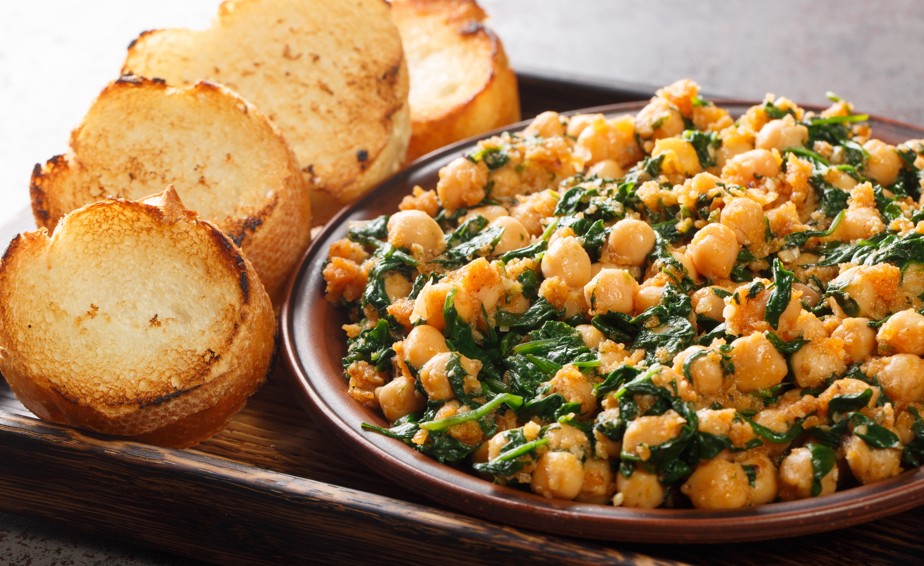
Seville’s iconic dishes blend Moorish legacies with Andalusian staples. Espinacas con Garbanzos is the quintessential Sevillian tapa: a hearty, spiced stew of spinach and chickpeas, often linked to the city’s Moorish and Jewish culinary past. Solomillo al Whiskey is a beloved local classic: pork loin medallions in a garlicky, whiskey-laced sauce.
Carrillada de Cerdo (or Carrillada Ibérica) is slow-braised pork cheeks in a rich red wine or sherry sauce, famously tender. Pringá is a rich, shredded mix of meats from a stew, often piled into a montadito for a deeply savory bite. Rabo de Toro, oxtail braised in wine, is a classic example of cocina de aprovechamiento (no-waste cooking). Pescaíto Frito is Andalusia’s art of mixed fried fish: crisp, light bites of adobo (marinated fish), calamares, and boquerones. Salmorejo is Seville’s thicker, creamier cousin to gazpacho, topped with hard-boiled egg and jamón. Tortillitas de Camarones, delicate shrimp fritters from Cádiz, are widely loved in Seville. Montaditos are small, inventive sandwiches on crusty bread, and Huevos a la Flamenca are baked eggs with vegetables and chorizo served in a clay dish.
Everyday Seville & Andalusian Food
Breakfast is light: coffee with toast, olive oil, and tomato, or a pastry. Lunch is the main meal, often a menú del día eaten between 2 and 4 PM. Dinner is late (often after 9 PM) and frequently becomes a tapeo: hopping from bar to bar for small plates and drinks.
The ritual of tapeo—one drink, one bite, then on to the next bar—is the heart of Sevillano social life. The cervecería and taberna are central institutions. Eating is tied to seasons and festivals: heavier stews in winter, chilled soups in summer, and special foods during Feria and Semana Santa. Meals are loud, communal, and social. Service in traditional bars can be abrupt, but it is usually efficient and focused on keeping the counter moving.
Cultural Fusion: Moorish Refinement, Jewish Influence & Andalusian Resourcefulness
Seville’s cuisine carries deep imprints from Al-Andalus: the use of spices like cumin and saffron, a love for spinach and chickpeas, and a legacy of frying and sweet-sour notes. Sephardic influences are often traced through the prominence of vegetables, olive oil, and certain stew traditions.
Yet much of Seville’s defining character comes from rural Andalusia’s cocina de aprovechamiento, where cooks learned to coax big flavor from cheap cuts (like oxtail and cheeks) and stale bread (for salmorejo and gazpacho). The result is a table that tastes medieval and modern at once: Moorish-leaning spices, peasant braises, and the vibrant, communal energy of the tapas bar.
Craft Beverage Scene and Local Libations
Seville’s beverage culture is anchored by Sherry (Jerez) from the nearby Marco de Jerez. Fino and manzanilla are classic apéritifs, served ice-cold alongside tapas. Cruzcampo is the ubiquitous local lager, typically ordered as a very cold caña.
Rebujito is the signature Feria drink: manzanilla topped with lemon-lime soda, served over ice. Tinto de Verano (red wine with lemon soda) is a common summer staple. Orange wine from nearby Huelva appears on many menus, and Agua de Sevilla is a sweet, creamy cocktail made with pineapple juice, cream, and spirits. Coffee is strong and usually ordered as café con leche or a cortado. What distinguishes Seville is the ritual of the caña y tapa at a crowded bar counter, followed by a late-afternoon glass of fino in the sun.
International Dining and Contemporary Scene
As a major tourist city, Seville has international options, but its true strength remains Andalusian and Spanish cooking. Contemporary Andalusian cuisine exists in chef-driven restaurants that refine and reinterpret classics, yet the beating heart of Seville is still its traditional tabernas, bustling markets (like Mercado de Triana), and historic bodegas.
The local scene is less about chasing trends and more about perfecting a timeless way of eating: a sequence of small, brilliant plates, each tied to a specific bar and neighborhood. For visitors, the experience is participation as much as consumption—learning the rhythm of ordering, standing shoulder-to-shoulder at the counter, and letting the city’s specialties reveal themselves one tapa at a time.
Food Customs and Practical Tips
Dining in Seville is casual, lively, and often involves standing at the bar. Tipping is not expected, but rounding up or leaving small change is customary. In some traditional bars, it’s normal to drop napkins and olive pits on the floor, though not every venue follows this practice today.
For the most authentic experience, stand at the bar, order a caña or a fino, and take cues from what locals are eating. Many places still pair drinks with a small tapa, while others specialize in ordering plates. Avoid paella expectations here; Seville excels more in stews, fried seafood, and pork dishes. For authentic dining, head beyond the most tourist-heavy streets near major landmarks and explore neighborhoods like Triana, El Arenal, and Alameda de Hércules.
Explore different areas: Triana for deeply local cooking and the market; Santa Cruz for charming patios (often more tourist-oriented); El Arenal for classic, busy tapas bars; and Alameda de Hércules for a more alternative, modern vibe. Try both a historic institution and a simple neighborhood bar. Expect late meals, crowds, and noise; in Seville, that is part of the point. Most importantly, embrace Seville’s culinary spirit: passionate, communal, deeply historical, and unapologetically festive, best tasted over a cold drink and a plate of perfectly fried fish.
This guide covers what to eat in Seville, from Espinacas con Garbanzos and Salmorejo to Carrillada, Pescaíto Frito, and Andalusian classics. Use it to plan your culinary pilgrimage to the heart of Spanish tapas culture.
Check monthly weather averages for
Latest Secret Flying deals to Seville

Non-stop from Rabat, Morocco to Seville, Spain for only $59 USD roundtrip
Non-stop flights from Rabat, Morocco to Seville, Spain for only $59 USD roundtrip.
View DealSUMMER: Tunis, Tunisia to Seville, Spain for only $214 USD roundtrip
Summer flights from Tunis, Tunisia to Seville, Spain for only $214 USD roundtrip with Air Europa.
View Deal [adblockingdetector id="638efa67113bf"]