


Shanghai Food Guide
Food in Shanghai: What to Eat & Drink
Shanghai’s culinary landscape is a sophisticated, sweet-savory, and deeply cosmopolitan expression of China’s most dynamic metropolis. Here, the refined traditions of Jiangnan (the Lower Yangtze region) merge with Western treaty-port influences and culinary ideas drawn from across China, creating a cuisine defined by elegance, balance, and an embrace of luxury ingredients. As a historic port city and the nation’s financial capital, Shanghai developed a food culture that is simultaneously rooted in tradition and relentlessly forward-looking, guided by a reverence for seasonal produce, meticulous technique, and an appetite for novelty.
Shaped by its position at the mouth of the Yangtze River, its history as an international treaty port, and a savvy, status-conscious population, Shanghainese cuisine (Benbang cai) celebrates freshwater fish, hairy crab, soy sauce, sugar, vinegar, and delicately crafted dumplings. These elements are handled with technical finesse, balancing flavor, texture, and visual refinement. In Shanghai, century-old breakfast stalls operate alongside three-Michelin-starred dining rooms, and eating is both an everyday necessity and a form of social expression. Every meal tells a story of trade, taste, and constant transformation.
Core ingredients include freshwater seafood such as eel and crab, pork, leafy greens, bamboo shoots, tofu, Shaoxing wine, dark soy sauce, rock sugar, and Zhenjiang vinegar. Dishes are known for their glossy, reddish-brown sauces, a distinctive sweet-savory profile achieved through slow braising, and tender textures that highlight seasonal umami. Shanghai’s alluvial plains supply abundant rice, vegetables, and aquatic produce, while the city’s Art Deco heritage and hyper-modern ambition shape a dining scene where historic shikumen lanes conceal some of the most accomplished home kitchens. From a morning shengjian mantou stall to an elaborate banquet overlooking the Bund, eating in Shanghai is a journey through the past and future of Chinese cuisine.
Local Specialties of Shanghai
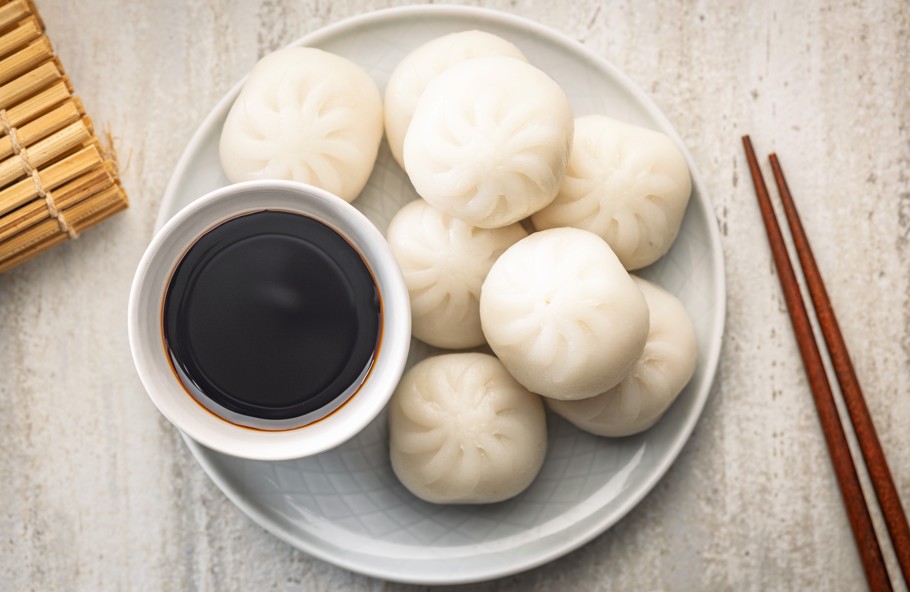
Shanghai’s iconic dishes are renowned for their richness and subtle sweetness. Xiaolongbao, the city’s most famous export, are delicate steamed soup dumplings from Nanxiang, filled with minced pork and a burst of intensely savory broth. Shanghai hairy crab (dazha xie) is an autumn obsession, with steamed male and female crabs from Yangcheng Lake prized for their roe and golden fat, traditionally eaten with ginger and vinegar.
Hongshao rou, or red-braised pork belly, is a cornerstone of home cooking, featuring generous cubes of pork slowly simmered until meltingly tender in a glossy soy-sugar sauce. Drunken chicken (zui ji) is served cold, gently perfumed with Shaoxing wine, while lion’s head meatballs (shizi tou) are oversized, delicate pork meatballs stewed with cabbage. Shengjian mantou, the crisp-bottomed, pan-fried cousin of xiaolongbao, is a beloved street-food breakfast. Other staples include scallion oil noodles (cong you ban mian), sweet and sour spare ribs (tangcu paigu), braised eel (you bao shanhu), and the ceremonial beggar’s chicken (jiao hua ji), now more often encountered in restaurants than wrapped in clay.
Everyday Shanghai & Jiangnan Food
Breakfast (zaocan) is a lively daily ritual. Street vendors serve scallion pancakes, fried dough sticks (youtiao), hot soy milk, and a variety of steamed or pan-fried buns. Lunch tends to be quick and practical, often a bowl of noodles, dumplings, or a simple rice plate with meat and vegetables from a neighborhood canteen. Dinner is the main social meal, ranging from relaxed home-style cooking to elaborate, multi-course banquets.
The breakfast street, the hole-in-the-wall noodle shop, the century-old specialty restaurant, and the luxury dining room with a Bund view all coexist seamlessly. Meals are highly social, usually shared family-style, and often lively and noisy. Plain rice anchors the table, while the concept of xian—deep savory deliciousness—guides seasoning and balance. Service can range from brisk and no-nonsense in local eateries to polished and formal in high-end venues, reflecting a dining culture that operates at an almost constant, 24-hour pace.
Cultural Fusion: Jiangnan Roots, Treaty-Port Influence & Modern Globalism
At its core, Shanghai cuisine is rooted in the refined, freshwater-based cooking of the Jiangnan region, where subtle sweetness and texture are paramount. Its modern character was profoundly shaped by the city’s treaty-port era, which introduced Western ingredients and techniques that gave rise to distinctive Sino-foreign hybrids, such as Shanghainese borscht and squirrel-shaped mandarin fish prepared using Western frying methods.
As China’s economic capital, Shanghai now functions as a culinary clearinghouse, hosting some of the finest expressions of regional Chinese cuisines—from Sichuan and Cantonese to Hunan—outside their home provinces. The result is a table where ancient Jiangnan braising techniques, early 20th-century East-West fusion, and contemporary interpretations of dishes from across China coexist. Culinary excellence here is not just about flavor; it is a marker of sophistication and status.
Craft Beverage Scene and Local Libations
Shanghai’s beverage culture is as diverse as its food. Tea remains central to daily life, with green teas such as Longjing commonly enjoyed. Shaoxing rice wine is the traditional cooking and drinking wine of Shanghainese cuisine and is often served warm, particularly in cooler months.
Baijiu, China’s powerful grain spirit, is a fixture at business banquets, while the city’s craft cocktail scene ranks among the best in Asia, with world-class speakeasies and rooftop bars along the Bund. Craft beer continues to grow in popularity, and non-alcoholic staples include sweet or savory soy milk (doujiang), fresh sugar cane juice, and bottled yogurt drinks (suan nai). What truly distinguishes Shanghai is the rhythm of its drinks: hot soy milk and fried dough in the morning, tea alongside delicate dishes at lunch, and an expertly mixed cocktail enjoyed against a glittering skyline at night.
International Dining and the Contemporary Scene
As a global city, Shanghai boasts one of the world’s most impressive international dining scenes, with exceptional French, Italian, Japanese, Spanish, and other cuisines often rivaling their counterparts in their countries of origin.
Modern Chinese and fusion cuisine is a major movement, with innovative chefs redefining Chinese food for the 21st century. Despite this creativity, the soul of Shanghai dining remains firmly rooted in its local classics and bustling, no-frills eateries serving perfect dumplings or expertly braised pork. The city’s food scene thrives on contrast, pairing deep tradition with dazzling innovation. For visitors, this offers a rare opportunity to experience both the most authentic Shanghainese dishes and the cutting edge of global gastronomy within a few metro stops.
Food Customs and Practical Tips
Dining etiquette matters. Chopsticks should never be stuck upright in a bowl of rice, the host typically orders and pays, and lightly tapping your fingers on the table is a way to say thank you when someone pours tea. Tipping is not customary.
When eating xiaolongbao, gently pierce the dumpling, sip the broth first, and then eat it. Morning food markets and breakfast streets offer the best introduction to local flavors, while autumn is the prime season for hairy crab. For authentic experiences, explore the Old City (Nanshi) and residential neighborhoods in the Former French Concession. Restaurant-review apps such as Dianping are invaluable for finding trusted local spots.
Different districts offer distinct dining experiences: the Bund for luxury meals with views, the Former French Concession for chic cafés and modern Chinese restaurants, People’s Square and Nanjing Road for historic institutions and food courts, and Xintiandi for upscale dining in restored shikumen houses. Try both a legendary institution and a crowded neighborhood noodle shop, consider a food tour around Yu Garden, or take a dumpling-focused cooking class. Expect crowds, noise, and extraordinary variety. Shanghai caters to every budget, from inexpensive street food to some of Asia’s most expensive meals. Above all, embrace the city’s culinary spirit—sophisticated, meticulous, gently sweet, and endlessly curious—a true reflection of a city that looks forward while honoring its past.
This guide covers what to eat in Shanghai, from xiaolongbao and hairy crab to hongshao rou, shengjian mantou, and classic Shanghainese dishes, helping you plan a memorable culinary journey through one of the world’s great food cities.
Check monthly weather averages for
Latest Secret Flying deals to Shanghai
Istanbul, Turkey to Shanghai, China for only €362 roundtrip
Cheap flights from Istanbul, Turkey to Shanghai, China for only €362 roundtrip.
View Deal
Jakarta, Indonesia to Shanghai, China for only $292 USD roundtrip
Cheap flights from Jakarta, Indonesia to Shanghai, China for only $292 USD roundtrip.
View Deal [adblockingdetector id="638efa67113bf"]