


Sharm El Sheikh Food Guide
Food in Sharm El Sheikh: What to Eat & Drink
Sharm El Sheikh’s culinary landscape is a sun-drenched, tourist-driven blend of Egyptian coastal cooking, Red Sea seafood traditions, and international resort dining. It is a place where Bedouin simplicity, mainland Egyptian staples, and global vacation expectations meet, creating a food scene defined by ease, freshness, and a relaxed holiday rhythm. As Egypt’s premier beach and diving resort on the Sinai Peninsula, Sharm has developed a dining culture shaped largely by visitors, with all-inclusive buffets, à la carte hotel restaurants, and a wide range of tourist-friendly options, alongside a smaller but lively local undercurrent.
Set between desert and sea, and positioned at a crossroads between Africa and Asia, Sharm’s food culture is best understood as a spectrum. At one end are simple, beautifully grilled fish and classic Egyptian mezze; at the other are familiar international comfort foods designed for a diverse clientele. In between lie experiences that feel distinctly Sinai, such as Bedouin-style barbecues and zarb cooked under the stars. Food here is often part of the holiday package, but that does not mean it is dull. One night can be an abundant seafood platter by the marina, and the next can be an earthy, slow-cooked Bedouin feast in the desert.
Core ingredients include Red Sea fish such as denise, gebel, and sea bass, as well as calamari, shrimp, lamb, chicken, rice, lentils, tahini, fresh herbs, and locally grown dates and olives. Dishes tend to favor straightforward preparations, especially for seafood, with grilling and frying leading the way. Egyptian seasonings—cumin, coriander, garlic, lemon, and mint—add warmth without overwhelming the freshness of the catch. Sharm’s reefs provide a rich bounty, while the surrounding desert influences Bedouin contributions centered on slow cooking and smoky flavors. From a five-star buffet to a no-frills fish-market restaurant in Old Sharm, eating in Sharm El Sheikh is varied, flexible, and designed to match the holiday mood.
Local Specialties of Sharm El Sheikh
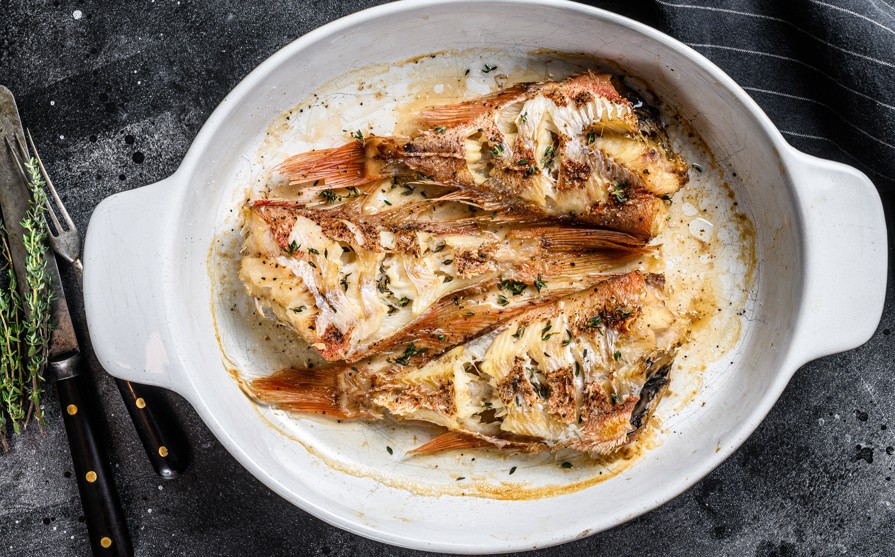
Sharm’s most memorable dishes highlight the Red Sea’s seafood and the Sinai’s Bedouin heritage. Sayadeya is a coastal Egyptian classic: spiced baked fish, often sea bass or gebel, served over aromatic rice cooked with onions and warm spices. Grilled Red Sea fish is the essential local pleasure, usually prepared whole—denise or gebel are popular—marinated with lemon, garlic, and herbs, then cooked over charcoal until the skin crisps and the flesh stays tender.
Zarb is the definitive Bedouin experience and one of the most rewarding meals you can have in the region. Meat, typically lamb or chicken, is marinated and slow-cooked with vegetables in an underground, sand-covered oven, producing deeply smoky, melting textures that feel both rustic and ceremonial. Beyond seafood and zarb, Sharm offers the broader canon of Egyptian classics: fatteh, a hearty dish of rice and toasted bread in a garlicky vinegar broth topped with meat or sometimes fish; koshari, Egypt’s beloved comfort food combining lentils, rice, pasta, chickpeas, and tomato sauce; and molokhia, the iconic green soup made from jute leaves, served with rice and chicken. Seafood tagines, baked in clay pots with tomatoes and peppers, are also common, as are baskets of freshly baked aish paired with mezze such as hummus, baba ghanoush, and tahina. When available, finish with fresh fruit—dates, melons, and seasonal mangoes are especially good.
Everyday Sharm & Resort Food
For many visitors, breakfast is an international hotel buffet built for convenience and variety. Lunch tends to be casual and portable, often a poolside burger, a quick shawarma, grilled chicken, or salads and mezze. Dinner is the main event, ranging from themed buffet nights and hotel specialty restaurants to seafood dining along the marina or in Naama Bay. All-inclusive plans are popular, which keeps dining decisions simple and predictable.
The day-to-day food culture is shaped by three settings: the hotel restaurant, the tourist-strip eatery in areas such as Naama Bay or Soho Square, and the local market and fish restaurants of Old Sharm. Meals are unhurried and tied to vacation schedules, with a wide range of cuisines designed to satisfy everyone from cautious eaters to adventurous diners. Service in tourist zones is generally attentive and accustomed to international guests, while local spots tend to be more direct and no-frills, with value and freshness as the main draw.
Cultural Fusion: Bedouin Sinai Roots, Mainland Egyptian Staples & International Tourism
The indigenous culinary foundation of the region comes from Sinai’s Bedouin communities, expressed through techniques like underground cooking and simply seasoned grilled meats. Mainland Egyptian cuisine is the everyday backbone, brought by workers and entrepreneurs from Cairo and the Nile Delta, and visible in staples such as koshari, falafel, ful medames, and a wide range of mezze.
The most powerful influence, however, is international tourism. In Sharm, “fusion” is less about combining flavors on a single plate and more about the menu landscape as a whole. You can pursue authentic Egyptian and Bedouin meals with relative ease, or you can eat exactly as you might on any global beach holiday—pizza, pasta, steaks, and multi-cuisine buffets—often executed to a solid resort standard.
Craft Beverage Scene and Local Libations
Sharm’s beverage scene is built around holiday-friendly choices. Alcohol is widely available in hotels and licensed restaurants, and local Egyptian lagers such as Stella and Sakara Gold are common companions to beach days and seafood dinners.
Non-alcoholic drinks are a highlight, especially in the heat. Fresh fruit juices—mango, guava, and sugarcane—are widely sold and often excellent. Karkadeh, a bright hibiscus infusion, is refreshing served cold and soothing served hot. Strong Egyptian coffee, sometimes flavored with cardamom, and shai (tea) are available everywhere. In higher-end venues, imported wines and spirits appear at higher prices. What distinguishes Sharm is the easy rhythm of drinks: a cold beer by the pool, a fresh juice with lunch, and a cocktail at a sunset bar overlooking the sea.
International Dining and Contemporary Scene
International dining is a major part of Sharm El Sheikh’s identity. Italian, Chinese, Indian, Mexican, and American-style restaurants are common, especially within hotel complexes and on the main tourist strips, including Naama Bay and Soho Square.
There is little in the way of a modern Egyptian fine-dining scene. The most compelling food experiences are usually the traditional ones: a Bedouin dinner, a seafood-focused meal near the market, or a simple local Egyptian restaurant away from the most polished tourist zones. Resort restaurants tend to prioritize familiarity and consistency for a global audience, which can be ideal for a low-effort holiday while still leaving room to sample authentic dishes whenever you choose.
Food Customs and Practical Tips
Dining in Sharm is generally casual and visitor-friendly. Tipping, or baksheesh, is expected in sit-down restaurants, typically around 5 to 10 percent. In more local settings, it is common to eat mezze and stews using bread, and the right hand is traditionally preferred. Dress is resort-casual within hotel areas, but it is considerate to cover up when walking around town outside tourist enclaves.
For the best seafood, visit the Old Market area and seek out places where you can choose fish from the day’s selection and have it grilled or baked simply. Booking a desert safari that includes a Bedouin dinner and zarb is one of the most distinctive experiences available. Even if you are staying all-inclusive, it is worth eating beyond the buffet a few times to taste the city’s fresher, more local side. Drink bottled water, and if you have a sensitive stomach, be cautious with salads and ice outside reputable hotels. Bargaining is normal in markets, but not in fixed-price restaurants.
Different areas offer different dining atmospheres. Naama Bay is the original tourist hub with the densest concentration of restaurants and bars. Soho Square in Nabq Bay is newer and more upscale, with entertainment-focused dining. Old Sharm offers the market, simple Egyptian eateries, and some of the best-value seafood. Marina areas in various bays provide attractive waterfront dining. Try both a hotel restaurant and a market-area seafood meal, and expect some persistent touting in busy public areas. Prices range widely, from inexpensive local food to premium hotel dining. Above all, enjoy Sharm for what it is: convenient, fresh, holiday-oriented, and an easy gateway into Egyptian flavors framed by the comfort and variety of an international resort.
This guide covers what to eat in Sharm El Sheikh, from sayadeya and grilled Red Sea fish to zarb, koshari, and Egyptian classics, helping you plan a memorable culinary holiday on the Red Sea Riviera.
Check monthly weather averages for
Latest Secret Flying deals to Sharm El Sheikh
Sarajevo, Bosnia and Herzegovina to Sharm el Sheikh, Egypt for only €187 roundtrip
Cheap flights from Sarajevo, Bosnia and Herzegovina to Sharm el Sheikh, Egypt for only €187 roundtrip.
View DealNon-stop from Athens, Greece to Sharm el Sheikh, Egypt for only €214 roundtrip
Non-stop flights from Athens, Greece to Sharm el Sheikh, Egypt for only €214 roundtrip with Aegean Airlines.
View DealNon-stop from Venice, Italy to Sharm el Sheikh, Egypt for only €57 roundtrip (Wizz members price)
Non-stop flights from Venice, Italy to Sharm el Sheikh, Egypt for only €57 roundtrip.
View Deal [adblockingdetector id="638efa67113bf"]