


Shenzhen Food Guide
Food in Shenzhen: What to Eat & Drink
Shenzhen’s culinary landscape is a dynamic, hyper-modern, and migrant-driven reflection of China’s first Special Economic Zone. Here, Cantonese foundations meet an extraordinary range of regional Chinese cuisines and cutting-edge food concepts, producing a dining scene defined less by tradition than by diversity, speed, and constant reinvention. A city that grew from fishing villages into a metropolis of more than 17 million people in just four decades, Shenzhen has developed a food culture that is young, pragmatic, and relentlessly entrepreneurial, shaped by the rhythms of the tech industry and the tastes of its vast migrant workforce.
Located in Guangdong province and bordering Hong Kong, Shenzhen is both a gateway and a melting pot. Its dining scene celebrates fast, affordable, and satisfying food, from late-night bowls of Cantonese congee to fiery Sichuan hotpot and northern hand-pulled noodles. Efficiency is paramount, mirroring the city’s breakneck pace, and food functions both as fuel for long workdays and as a reward for success. Every major Chinese regional cuisine competes for attention here, with trends often emerging in food courts or urban villages before spreading rapidly through social media.
Core ingredients reflect Shenzhen’s Cantonese roots and its national influences: rice, noodles, fresh seafood from the South China Sea, pork, chicken, leafy greens, soy sauce, and bold seasonings such as chili, Sichuan pepper, and fermented beans. There is no single dominant flavor profile. Instead, the city offers everything from the delicate steaming and light seasoning of Cantonese cooking to the numbing heat of Sichuan dishes and the hearty wheat-based fare of the northwest. Although the Pearl River Delta provides seafood and fertile land, Shenzhen imports much of its food, reinforcing its identity as a modern megacity. Gleaming skyscrapers stand alongside crowded urban villages, where tech executives and factory workers often eat in the same noodle shops. From a 3 a.m. dim sum hall in Luohu to a futuristic, automated restaurant in Nanshan, eating in Shenzhen is a snapshot of contemporary urban China in constant motion.
Local Specialties of Shenzhen
Shenzhen’s local dishes are rooted in its original Bao’an County heritage and its Cantonese surroundings. Bao’an river snails are a classic specialty, with freshwater snails stir-fried alongside chili, fermented bean curd, and aromatic herbs, producing a pungent, deeply savory dish. Sangzhou fried oysters come from the area’s early fishing villages, featuring fresh oysters coated in sweet potato starch batter and pan-fried until crisp on the outside and tender within.
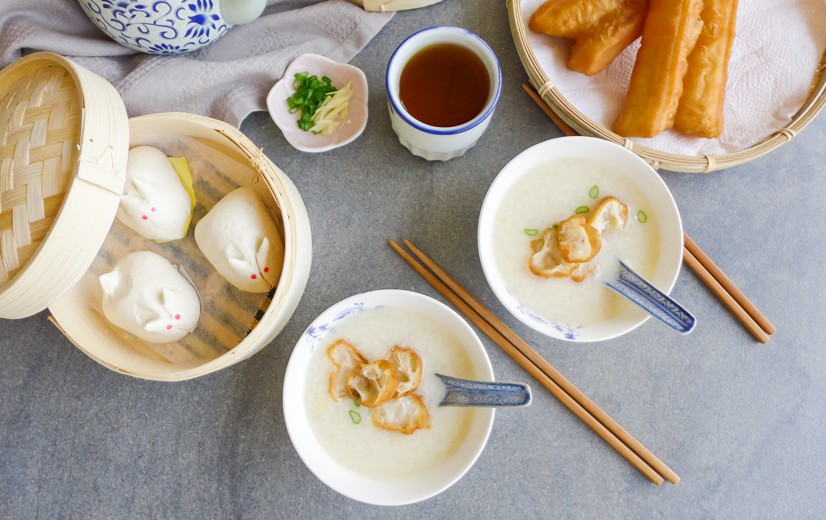
Shajing fresh shrimp refers to tiny, naturally sweet shrimp from the Shajing area, usually prepared simply by steaming or quick stir-frying to preserve their flavor. Guangdong-style congee is a round-the-clock comfort food, often enriched with seafood, pork, or preserved egg. Cantonese roast meats are ubiquitous, with char siu, roast duck, and soy sauce chicken commonly served over rice. Dim sum is not confined to mornings here and is enjoyed throughout the day and late into the night. Claypot rice, cooked with meats and vegetables in a clay vessel that creates a prized crispy base, is another staple. While not native to Shenzhen, the city has become a national leader in milk tea and hotpot culture, with many innovative chains originating here.
Everyday Shenzhen & Migrant City Food
Breakfast is typically quick and portable, consisting of steamed buns, rice rolls, or a simple bowl of noodles. Lunch is fast and economical, often a takeaway lunchbox, hand-pulled noodles, or a solo hotpot meal designed for speed. Dinner offers more variety, ranging from casual group hotpot sessions to formal business banquets.
The city’s food culture revolves around food streets and night markets, 24-hour dim sum halls, specialized restaurant chains, and a delivery-first lifestyle. Ordering via mobile apps and paying digitally are the norm, and eating is efficient, social, and tightly integrated with technology. The sheer range of cuisines makes it possible to eat a different regional Chinese style every day. Service reflects this diversity, from highly automated fast-food operations to attentive hospitality in upscale restaurants, all operating at a pace that mirrors the city itself.
Cultural Fusion: Cantonese Base, National Melting Pot & Hong Kong Influence
Shenzhen’s food story is one of layered migration. The original Bao’an County cuisine forms a small historical core rooted in Cantonese traditions. Early Hong Kong influence in the 1980s and 1990s introduced more refined Cantonese dining and café culture, shaping expectations around freshness and ingredient quality.
The defining feature, however, is mass internal migration from across China. Large communities from Sichuan and Hunan have made spicy, chili-forward food a dominant presence, while northeastern, Shanghai, and Beijing cuisines also maintain strong footholds. Rather than creating a single fused local style, Shenzhen has become a competitive marketplace of authentic regional Chinese cuisines, each adapted subtly to local preferences and standards. The result is one of the most comprehensive representations of China’s culinary diversity in a single city.
Craft Beverage Scene and Local Libations
Shenzhen’s beverage culture is youthful and driven by trends. Milk tea is a major industry, with locally born brands leading national movements such as premium fruit teas and cheese-topped drinks.
Craft beer has developed a strong following, supported by local breweries and taprooms popular with the after-work crowd. Baijiu remains a fixture at business banquets, while traditional Guangdong herbal teas are consumed for balance and wellness. Fresh fruit juices and soy milk are everyday staples. Coffee culture is expanding rapidly, with international chains and independent specialty roasters thriving side by side. Hong Kong–style milk tea and yuan yang, a mix of coffee and tea, are common café orders. What sets Shenzhen apart is its constant pursuit of the next viral drink, often propelled by social media and rapid consumer adoption.
International Dining and Contemporary Scene
As a wealthy and outward-looking city, Shenzhen offers a strong selection of international restaurants, including Japanese, Korean, Italian, French, and Southeast Asian cuisine, particularly in business districts such as Futian and Nanshan.
Modern Chinese and fusion dining is an emerging trend, with chefs experimenting across regional and cultural lines. Even so, the heart of Shenzhen’s food scene remains its extraordinary range of regional Chinese cuisines and its solid Cantonese foundation. The city also serves as a testing ground for restaurant technology, from automated kitchens to robotic servers. For visitors, this creates a unique opportunity to sample the best of China’s diverse culinary traditions in one modern city while encountering some of the most forward-looking dining concepts in the country.
Food Customs and Practical Tips
Dining etiquette is generally relaxed but follows standard Chinese customs. Chopsticks should not be placed upright in rice, the host usually orders and pays, and tipping is not practiced. Bargaining is appropriate in markets but not in restaurants.
For the most rewarding experiences, explore food streets and night markets such as Dongmen Pedestrian Street or the snack alleys around Nantou Ancient City. Mobile apps are essential for discovering restaurants, ordering food, and making payments. Do not hesitate to try Sichuan or Hunan restaurants, which are among the city’s most popular. Seek out traditional Bao’an dishes in older districts such as Bao’an or Shajing. For dim sum, large, busy halls are usually the most reliable.
Different districts offer distinct dining atmospheres. Futian’s central business district is known for upscale Cantonese and international dining, while Nanshan and Shekou have the strongest international food scene and a noticeable expatriate presence. Luohu retains many old-school Cantonese restaurants and Hong Kong–style influences, and Bao’an offers a closer link to the city’s culinary roots. Try both a sleek, modern restaurant in a business district and a loud, bustling Sichuan eatery in an urban village. Expect crowds, noise, and overwhelming choice. Shenzhen offers excellent value, particularly in local Chinese restaurants. Above all, embrace the city’s culinary spirit: fast, diverse, unpretentious, and constantly evolving, much like the city itself.
This guide covers what to eat in Shenzhen, from Bao’an river snails and Sangzhou fried oysters to Cantonese roast meats, dim sum, and regional Chinese classics, helping you plan a culinary exploration of one of China’s most forward-looking cities.
Check monthly weather averages for
Latest Secret Flying deals to Shenzhen
London, UK to Shenzhen, China for only £395 roundtrip
Cheap flights from London, UK to Shenzhen, China for only £395 roundtrip.
View DealSingapore to Shenzhen, China for only $205 USD roundtrip
Cheap flights from Singapore to Shenzhen, China for only $205 USD roundtrip with Malaysia Airlines.
View Deal2 IN 1 TRIP: London, UK to Philippines & China for only £417 roundtrip
2 in 1 trip...Cheap flights from London, UK to Manila, Philippines and Shenzhen for only £417 roundtrip.
View Deal [adblockingdetector id="638efa67113bf"]