


Siem Reap Food Guide
Food in Siem Reap: What to Eat & Drink
Siem Reap’s culinary landscape is a fragrant, vibrant, and deeply historical expression of Khmer cuisine, shaped by ancient Angkorian traditions, French colonial influences, and the realities of modern global tourism. As the gateway to the temples of Angkor and the cultural heart of Cambodia, the city has developed a food culture that highlights the refinement of royal Khmer cooking while remaining grounded in the rustic, ingredient-driven flavors of the countryside. All of this is delivered with the gentle, resilient hospitality that defines Cambodian life.
Proximity to the Tonlé Sap Lake, Southeast Asia’s largest freshwater fishery, plays a defining role in local cooking. Combined with a tropical climate and a history marked by both imperial grandeur and national hardship, Siem Reap’s cuisine celebrates freshwater fish, rice, coconut, lemongrass, kaffir lime, and the essential fermented fish paste prahok. These elements are carefully balanced to achieve harmony between sweet, sour, salty, and bitter. This is a city where food tells the story of an ancient empire and a modern nation, where you can dine in a restored colonial villa or eat noodles on a plastic stool, all within sight of one of the world’s greatest archaeological wonders.
Core ingredients include rice, which in Khmer is synonymous with food itself, freshwater fish from the Tonlé Sap, prahok, kroeung curry paste made from lemongrass, galangal, turmeric, garlic, and shallots, coconut milk, tamarind, palm sugar, and a wide array of fresh herbs. Dishes are known for their layered complexity, a preference for soups and stews, and the skillful use of aromatics to produce dishes that feel vibrant and refreshing rather than heavy. The lake provides an extraordinary abundance of fish and aquatic vegetables, while the city’s identity blends spiritual grandeur with relaxed charm. From a humble stall selling nom banh chok to a refined restaurant reviving royal recipes, eating in Siem Reap is essential to understanding Cambodia.
Local Specialties of Siem Reap
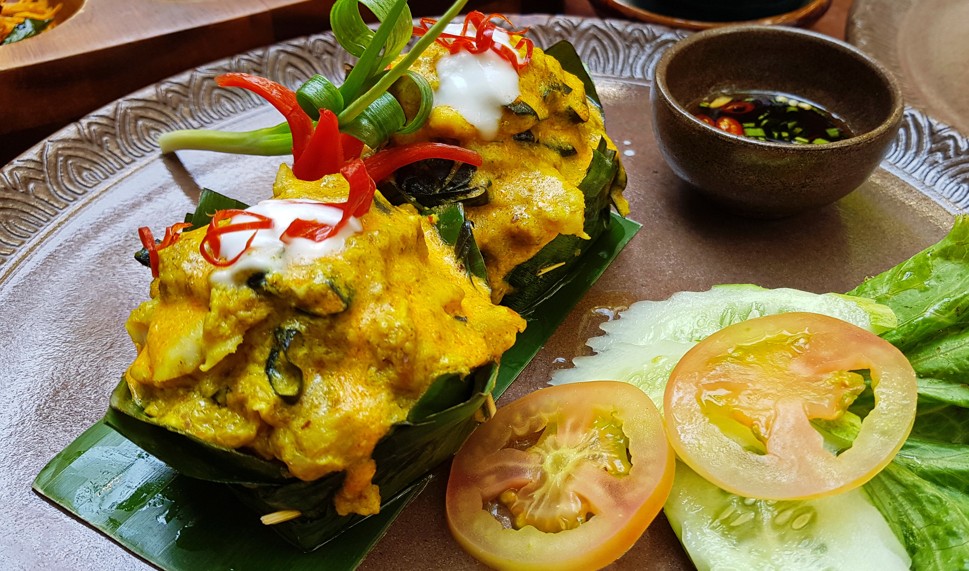
Siem Reap’s signature dishes are pillars of Khmer cuisine, often influenced by the ingredients of the Tonlé Sap region. Amok is Cambodia’s most famous dish, a gently spiced curry of freshwater fish or chicken blended with kroeung and coconut milk, then steamed in a banana leaf until it sets into a soft, custard-like texture.
Samlor machu trey is the quintessential Khmer sour soup, built on tamarind and combined with freshwater fish, tomatoes, pineapple, and herbs for a perfectly balanced flavor. Nom banh chok, often described as Khmer noodles, consists of fresh rice noodles topped with a green fish-based curry and a generous assortment of raw vegetables and herbs, and is commonly eaten for breakfast. Lok lak is a popular stir-fry of marinated beef served over lettuce with a sharp lime, salt, and pepper dipping sauce.
Other important dishes include prahok k’tis, a rich and pungent dip of minced meat cooked with fermented fish paste, coconut milk, and chili, eaten with fresh vegetables; grilled lake fish such as trey riel or snakehead fish served with lime and Kampot pepper; coconut-marinated beef skewers known as sach ko ang; and Khmer red curry, which is milder and less spicy than Thai versions and typically cooked with chicken, potatoes, and peanuts.
Everyday Siem Reap & Khmer Food
Breakfast is often nom banh chok, rice porridge known as bobor, or baguette sandwiches called num pang, a lasting legacy of French colonial rule. Lunch is usually a quick, single-plate meal such as bai sach, rice served with grilled meat and pickled vegetables. Dinner is more substantial and communal, featuring shared dishes of soup, curry, and stir-fries accompanied by generous portions of rice.
Street food stalls, market food courts such as Psar Chas, and family-run restaurants form the backbone of everyday dining. Meals are casual and communal, with several dishes shared at the table. Rice anchors every meal and is accompanied by baskets of fresh herbs, lettuce, and raw vegetables used for wrapping, dipping, and balancing flavors. Service is gentle and unhurried, and eating patterns often adjust to the heat of the day, with lighter meals at midday.
Cultural Fusion: Angkorian Heritage, French Influence & Regional Neighbors
The roots of Siem Reap’s cuisine stretch back to the Angkorian empire, with temple carvings depicting fish, rice, and elaborate feasts. French colonial rule introduced baguettes, pâté, and coffee, all of which were adapted into Khmer food culture and remain everyday staples. The city’s location also places it at a crossroads with Thailand and Vietnam, resulting in shared ingredients and techniques, although Khmer cuisine is typically less spicy than Thai food and more reliant on freshwater fish than Vietnamese cooking.
Tourism has added a modern layer, encouraging both the preservation of traditional recipes and the development of refined, contemporary interpretations. As a result, the Siem Reap table can feature ancient fermentation methods, colonial-era bread traditions, and modern culinary artistry side by side, all within a city devoted to sharing its heritage with visitors.
Craft Beverage Scene and Local Libations
Siem Reap’s beverage culture caters comfortably to both locals and travelers. Angkor Beer is the crisp national lager and a common sight at the end of a hot day. Palm wine, made from fermented palm sap, is a traditional drink still enjoyed in rural areas.
Fresh sugarcane juice and coconut water are widely available, while iced coffee sweetened with condensed milk reflects Cambodia’s French coffee legacy. Fruit shakes made from mango, pineapple, banana, and other tropical fruits are especially popular with visitors. Rice wine, known as sraa sor, is a strong local spirit, and while craft beer remains a niche, it is slowly growing. In more upscale bars, cocktails infused with Kampot pepper or local herbs are increasingly common. What defines Siem Reap is the simple pleasure of an ice-cold beer after temple visits and the daily ritual of strong iced coffee from a street vendor.
International Dining and Contemporary Scene
As one of Southeast Asia’s most visited destinations, Siem Reap offers an impressive range of international dining. Italian, French, American, Thai, Vietnamese, Indian, and Japanese restaurants are easy to find, particularly around Pub Street and the surrounding lanes.
At the same time, modern Khmer cuisine has become one of the city’s most exciting culinary developments. Chefs are researching historic recipes and using premium local ingredients such as Kampot pepper, Kampong Speu palm sugar, and regional herbs to create refined tasting menus that reinterpret traditional flavors. Despite this innovation, the soul of Siem Reap’s food scene remains rooted in local markets and neighborhood eateries. For visitors, the balance is ideal: comforting international options alongside deep, authentic, and often elevated Khmer dining experiences.
Food Customs and Practical Tips
Dining in Siem Reap is informal and welcoming. Tipping is not obligatory but is appreciated in tourist-oriented restaurants, often in small bills. Sharing dishes family-style is common, and questions about what you are eating are usually expressions of friendly curiosity rather than intrusion.
For the most authentic experiences, eat at food stalls in Psar Chas or explore the streets east of the river. Taking a cooking class is one of the best ways to understand Khmer ingredients and techniques. Prahok can be intense for newcomers, so it is often best introduced through milder dishes such as amok. Stick to bottled or filtered water, and while ice is generally safe in tourist areas, caution is advisable in very local spots.
Different neighborhoods offer distinct atmospheres. Pub Street and the Old Market area are lively and tourist-focused, with international food and nightlife. Charles de Gaulle Boulevard, the road to Angkor, offers a mix of local and visitor-oriented restaurants. Wat Bo Road has a more residential feel and excellent Khmer eateries, while the lanes east of the Siem Reap River hide many local gems. Try both a respected fine-dining Khmer restaurant and a simple street-side noodle stall, and consider a food tour of the Old Market. Siem Reap is excellent value, especially for local food. Above all, embrace the city’s culinary spirit: gentle, complex, deeply historical, and reflective of a culture that finds resilience and joy in sharing good food.
This guide covers what to eat in Siem Reap, from amok and nom banh chok to samlor machu trey, lok lak, and classic Khmer dishes. Use it to plan a meaningful culinary journey through the heart of Cambodian culture.
Check monthly weather averages for
Latest Secret Flying deals to Siem Reap
Paris, France to Siem Reap, Cambodia for only €489 roundtrip
Cheap flights from Paris, France to Siem Reap, Cambodia for only €489 roundtrip with Vietnam Airlines.
View DealMEGA POST: Zurich, Switzerland to South-East Asia from only €371 roundtrip
Cheap flights from Zurich, Switzerland to South-East Asia from only €371 roundtrip with Cathay Pacific.
View DealZurich, Switzerland to Siem Reap or Phnom Penh, Cambodia for only €394 roundtrip
Cheap flights from Zurich, Switzerland to Siem Reap or Phnom Penh, Cambodia for only €394 roundtrip with Cathay Pacific.
View Deal [adblockingdetector id="638efa67113bf"]