


Sofia Food Guide
Food in Sofia: What to Eat & Drink
Sofia’s culinary landscape is a hearty, flavourful, and historically layered expression of Balkan and Slavic traditions. Thracian roots, centuries of Ottoman influence, Slavic comfort cooking, and a modern European sensibility come together to create a cuisine defined by robust flavours, seasonal ingredients, and rustic charm. As Bulgaria’s capital at the foot of Vitosha Mountain, Sofia has developed a food culture closely tied to the land, shaped by the rhythms of Orthodox Christian fasting and feasting and delivered with a proud, straightforward hospitality.
Shaped by a continental climate, a long history as a crossroads of empires, and a society that values family and tradition, Sofia’s food celebrates grilled meats, fresh dairy, seasonal vegetables, and beloved savoury pastries. It is a city where Soviet-era canteen culture sits alongside trendy wine bars, where old recipes are preserved in family kitchens, and where meals still feel like a form of connection rather than a transaction. From a bustling mehana in the centre to a modern bistro in a lively residential district, eating in Sofia is an affordable, satisfying journey through Bulgaria’s past and present.
Core ingredients include pork, chicken, yogurt, sirene (a salty white brined cheese), potatoes, peppers, tomatoes, cucumbers, beans, and herbs such as dill and parsley. Dishes often lean savoury, salty, and smoky, with a strong tradition of grilling and slow cooking balanced by generous salads and dairy-rich sides. Sofia benefits from easy access to mountain water, fertile plains, and nearby vineyards, and its culinary identity reflects both faded socialist grandeur and energetic renewal, where Roman ruins sit beneath contemporary cafés and restaurants.
Local Specialties of Sofia
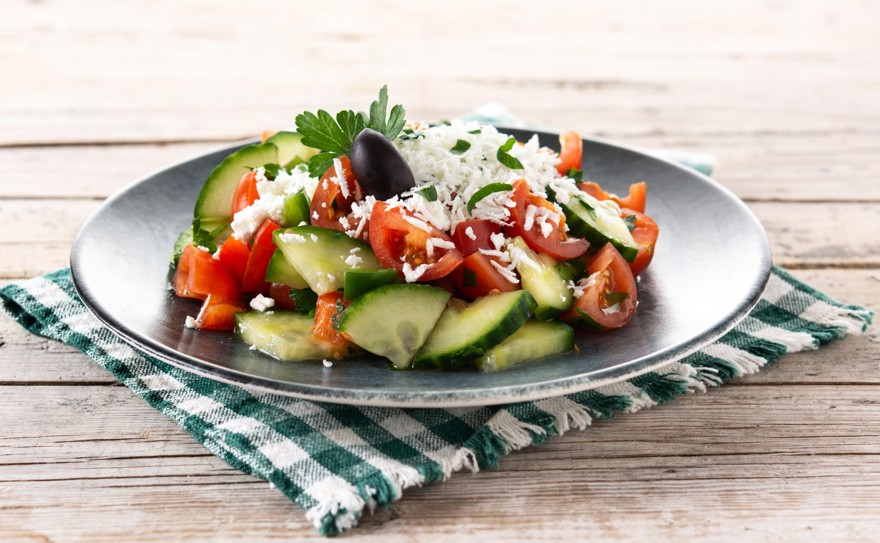
Sofia’s most iconic dishes are pillars of Bulgarian comfort food. Shopska salata is the national salad, a refreshing mix of tomatoes, cucumbers, onion, and peppers topped with a generous mound of grated sirene, often said to echo the colours of the Bulgarian flag. Tarator is the classic cold yogurt soup, combining yogurt, cucumbers, garlic, dill, walnuts, and water into a bright, cooling dish that is especially popular in summer.
Kavarma and gyuvetch are hearty clay-pot stews of meat and vegetables baked until tender and deeply flavoured. Bulgarian moussaka is typically built with potatoes and minced meat, finished with a creamy yogurt-and-egg topping. Kyufte, spiced grilled meatballs, and kebapche, grilled minced-meat rolls, are staples of the mixed grill and are often served together. Banitsa is the beloved flaky pastry filled with sirene, commonly eaten for breakfast and frequently paired with yogurt or ayran. Sarmi, cabbage or vine leaves stuffed with rice and minced meat, are another classic, while patatnik, a potato-based dish from the Rhodope region, appears on many Sofia menus as a comforting, cheese-rich option. Lyutenitsa, a roasted pepper and tomato relish, is commonly spread on bread and served alongside meals. More broadly, grilled meats, known collectively as skara, are central to dining, with ribs and other cuts featuring prominently.
Everyday Sofia & Bulgarian Food
Breakfast is usually simple and satisfying, often banitsa with ayran or coffee. Lunch is traditionally the main meal, frequently beginning with salad or soup before moving to a substantial main dish. Dinner may mirror lunch, especially when eaten with family, although it can also be lighter depending on the season and schedule. The mehana, a traditional tavern often accompanied by folk music, and the skara bar, a grill-focused eatery, remain core institutions of local dining.
Meals are social and unhurried, and rakia, a strong fruit brandy, commonly appears at the start of a meal. Bread is treated with real respect and is present at nearly every table. Seasonal eating still matters, and Orthodox holidays shape the calendar, with distinct foods associated with Christmas, Easter, and fasting periods. Service can range from warm and familial in traditional venues to brisk and modern in contemporary restaurants, but the general pace remains relaxed and built around enjoyment rather than speed.
Cultural Fusion: Thracian Foundations, Ottoman Legacy & Slavic Heartiness
Bulgarian cuisine carries traces of ancient Thracian life, particularly in the long-standing cultivation of grains and grapes. The Ottoman period left a lasting culinary imprint, contributing grilling traditions, stuffed vegetables, and a wide range of pastries. Slavic influences added a strong love of dairy, pickling, and hearty soups, all well suited to a colder climate and agricultural lifestyle.
Over time, these layers were refined in villages and monasteries, producing a Sofia table where Ottoman-inspired kebapche, Slavic-style dairy dishes, and distinctly Bulgarian staples such as shopska salata coexist naturally. The overall character is direct and unpretentious, with food serving as a practical link to place, season, and history.
Craft Beverage Scene and Local Libations
Sofia’s beverage culture is robust, traditional, and increasingly creative. Rakia is the national drink, usually made from grapes, plums, or apricots, and typically served as an aperitif, often alongside salad. Bulgarian wine is widely regarded as an undervalued strength, with indigenous grapes such as Mavrud, Melnik, and Dimiat offering distinctive local character.
For non-alcoholic options, ayran is the classic companion to grilled meats, while boza is a uniquely Bulgarian, lightly fermented grain drink with a sweet-sour profile. Turkish-style coffee remains common and is often enjoyed after meals. Mineral water from local springs is a point of pride, and Sofia has also developed a growing craft beer scene that fits naturally into the city’s contemporary bar culture. What stands out is the ritual: a rakia toast to begin, a local wine with the main course, and a strong coffee to finish.
International Dining and Contemporary Scene
As a European capital, Sofia offers a solid range of international restaurants, including Italian, Middle Eastern, Asian, and Mexican options, serving both residents and visitors. At the same time, a small but notable modern Bulgarian movement is taking shape, with chefs presenting refined versions of traditional dishes and highlighting local produce and wines.
Even so, the city’s culinary soul remains in its mehanas, skara bars, and bakeries. The emphasis is less on novelty and more on time-tested flavours, generous portions, and excellent value. For travellers, this is a major appeal: authentic Balkan comfort food served in convivial settings at prices that remain among the most approachable in Europe.
Food Customs and Practical Tips
Dining in Sofia is relaxed and informal. Tipping of around 10 percent is appreciated. When toasting with rakia, making eye contact is considered polite, and guests are usually encouraged to try a bit of everything. Bread is commonly offered throughout the meal, and refusing it can feel oddly out of step with local habits.
For a classic experience, eat at a traditional mehana for atmosphere and familiar staples, and visit the Central Market Hall (Tsentralni Hali) to browse local produce, cheeses, cured meats, and ready-to-eat foods. Trying house rakia can be rewarding, and Bulgarian yogurt is genuinely worth seeking out for its flavour and texture. For quick, inexpensive food, bakeries and grab-and-go pastry shops are excellent for banitsa and other savoury bites.
Neighbourhoods offer different dining styles. The city centre around Vitosha Boulevard mixes traditional venues with modern cafés and casual restaurants. Student-heavy areas are good for budget-friendly meals, late-night food, and the growing craft beer scene. Districts such as Lozenets and Ivan Vazov tend to have more contemporary, upscale choices, including wine bars that focus on Bulgarian bottles. Expect generous portions, assertive seasoning, and outstanding value. Most importantly, embrace Sofia’s culinary spirit: hearty, welcoming, seasonal, and proudly Bulgarian, offering a direct taste of the Balkans that is as nourishing as it is memorable.
This guide covers what to eat in Sofia, from shopska salata and tarator to kavarma, banitsa, and classic Bulgarian dishes. Use it to plan a rewarding culinary exploration of Bulgaria’s vibrant capital.
Check monthly weather averages for
Latest Secret Flying deals to Sofia
Seoul, South Korea to Sofia, Bulgaria for only $557 USD roundtrip
Cheap flights from Seoul, South Korea to Sofia, Bulgaria for only $557 USD roundtrip with Lufthansa.
View DealNew York to Sofia, Bulgaria for only $351 roundtrip
Cheap flights from New York to Sofia, Bulgaria for only $351 roundtrip with Lufthansa and Austrian Airlines.
View DealBoston to Sofia, Bulgaria for only $352 roundtrip
Cheap flights from Boston to Sofia, Bulgaria for only $352 roundtrip with Lufthansa and Austrian Airlines.
View Deal [adblockingdetector id="638efa67113bf"]