


St. Lucia Food Guide
Food in St. Lucia: What to Eat & Drink
St. Lucia’s culinary landscape is a vibrant, aromatic, and historically rich expression of West Indian Creole culture. African, French, British, and indigenous Carib influences converge with the island’s volcanic soil and surrounding seas to create a cuisine of bold flavours, fresh ingredients, and an unmistakable spirit of celebration. With a colonial history that saw the island change hands repeatedly between France and Britain, St. Lucia developed a food culture that blends European legacies with deeply rooted local traditions from fishing villages and agricultural communities, all delivered with the warm, welcoming energy that locals capture in the idea of “Jwaye” (enjoy).
Shaped by the dramatic Pitons, fertile rainforests, and the Caribbean Sea, St. Lucian cooking celebrates green figs and saltfish, bouyon, fresh seafood, coconut, breadfruit, and ever-present hot pepper sauce. Food here is inseparable from community life, with Fridays and weekends often dedicated to shared meals, music, and street-side grills. From a roadside barbecue in Gros Islet to an elegant restaurant in Soufrière with views of the mountains, eating in St. Lucia is one of the most direct and delicious ways to experience the island’s character.
Core ingredients include fresh fish such as red snapper, mahi-mahi, and tuna; salt cod; green bananas known locally as “figs”; breadfruit; dasheen (taro); pumpkin; coconut; callaloo greens; and an aromatic base of thyme, scallion, garlic, ginger, and Scotch bonnet peppers. Dishes are often hearty, spicy, and coconut-infused, with a strong tradition of slow-simmered stews and one-pot meals built around starchy provisions. Volcanic geography supports abundant tropical fruits and vegetables, and the island’s identity remains closely tied to Creole traditions, French patois, and a resilient culture that celebrates good food as a shared pleasure.
Local Specialties of St. Lucia
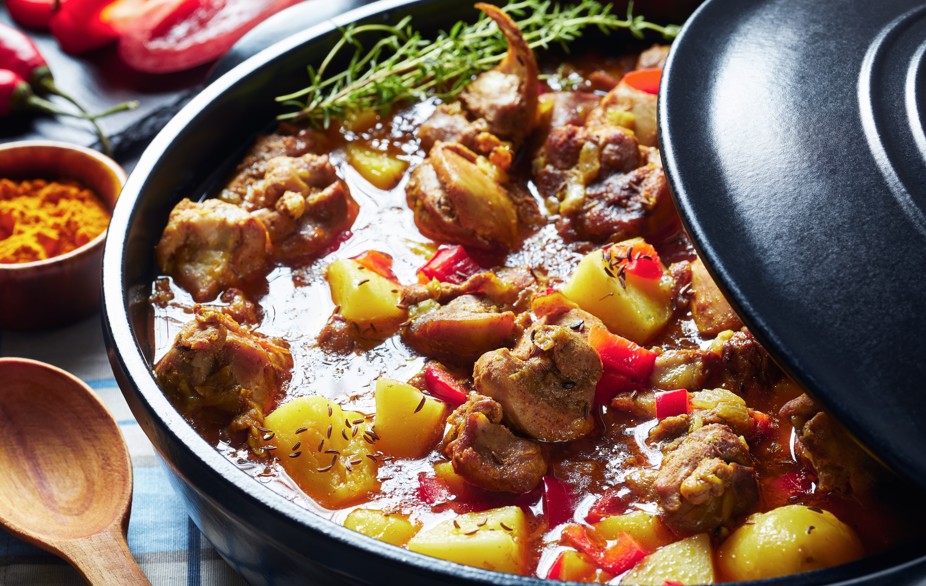
St. Lucia’s signature dishes are central to its culinary identity. Green fig and saltfish is widely considered the national dish: sautéed salt cod cooked with onions, peppers, and herbs, served alongside boiled green bananas for a filling, deeply satisfying meal. Bouyon, sometimes written as bouillon, is a rich one-pot stew made with meat such as chicken or beef, ground provisions like yam and dasheen, dumplings, and vegetables, all simmered until the flavours meld into a hearty, communal dish.
Callaloo soup is another staple, thick and nourishing, made from callaloo greens and often enriched with crab or coconut milk. Accra, crisp saltfish fritters, are popular as snacks and quick breakfasts. Lambi, or conch, is usually tenderised and stewed in a spicy Creole sauce. Roasted breadfruit is a frequent side, served whole or in wedges, and prized for how well it absorbs sauces. Stewed chicken, sometimes referred to as poulet doux, is braised until tender in a sweet, caramelised gravy. Bakes, small fried dough breads, are commonly paired with saltfish. Cassava bread remains an important traditional flatbread, while cowheel soup, made from cow’s feet, is a beloved comfort food known for its rich, gelatinous texture. Freshly grated coconut appears in countless desserts, sweets, and drinks.
Everyday St. Lucian & Creole Food
Breakfast may be bakes with cheese or saltfish, or simply fresh fruit. Lunch is often the main meal of the day, typically a plate of stewed meat or fish served with generous portions of provisions such as green figs, yam, or breadfruit, plus salad or vegetables. Dinner can follow a similar pattern or be lighter depending on the household and the day.
Cookshops, roadside grills, rum shops, and beachside barbecues form the backbone of everyday dining, offering straightforward, flavourful plates built around what is fresh and available. Eating is casual and communal, with a relaxed pace that encourages conversation. The weekly rhythm matters, too, with Fridays and weekends often becoming social occasions centred on shared food, music, and street-side cooking.
Cultural Fusion: African Foundations, French and British Layers & Carib Knowledge
The heart of St. Lucian cuisine is African, reflected in one-pot stews, frying techniques, and the use of greens and vegetables such as callaloo. French influence is especially visible in dish names, culinary vocabulary, and an herb-forward approach to flavour. British colonial influence contributed salted cod and certain baking traditions that have been integrated into everyday food.
Indigenous Carib knowledge shaped how local tubers and fruits, including cassava and yam, were used and cultivated. Over time, these layers formed a distinct Creole, or Kwéyòl, cuisine: African-style stews carrying French names, British preserved fish paired with Carib provisions, all tied together with the island’s signature heat and celebratory approach to eating.
Craft Beverage Scene and Local Libations
St. Lucia’s beverage culture is refreshing, social, and rum-focused. Rum is central to island life, and locally produced bottles are a point of pride. Rum punch is the classic holiday cocktail and appears everywhere from beach bars to street parties.
Piton Beer, named after the island’s iconic mountains, is the crisp national lager and a popular choice in the heat. Fresh coconut water is widely available, as are fruit juices made from local produce. Sea moss, a thick and nourishing drink made from seaweed blended with milk and spices, is common and often treated as a tonic. Cocoa tea, a traditional breakfast drink made from local cocoa sticks and spices, is rich, comforting, and worth seeking out when available. Spiced rum is also popular, and the island’s drinks often reflect the same balance found in its food: bold, aromatic, and deeply tied to place. What stands out is the simple ritual of a cold beer on the beach, rum punch at sunset, and coconut water after a hike.
International Dining and Contemporary Scene
As a premier tourism destination with luxury resorts, St. Lucia offers a broad range of international restaurants, particularly in Rodney Bay and around Soufrière. Italian, French, and various fusion menus are common, often paired with memorable views and polished service.
Modern Caribbean and Creole-fusion cooking appears in upscale restaurants, where chefs elevate local ingredients through contemporary techniques. Still, the island’s culinary soul is found in cookshops, street parties, local markets, and home kitchens. For visitors, the most rewarding experiences often come from these settings: a roadside barbecue, a local lunch at the market, or a Friday night gathering where food and music blend into one.
Food Customs and Practical Tips
Dining is relaxed and informal. Tipping of around 10 to 15 percent is appreciated in restaurants. Eating with your hands is common for certain foods, particularly provisions and breads, and a friendly greeting is always well received.
For a truly local experience, visit the Gros Islet Friday Night Street Party for grilled seafood, music, and lively atmosphere. Explore the Castries Central Market, especially on Saturday morning, to see produce, spices, and prepared snacks at their best. Local hot pepper sauce is a staple on many tables and should be used cautiously if you are not used to high heat. Eating at a cookshop is one of the easiest ways to enjoy a filling, authentic plate lunch at a good price, and cocoa tea is an excellent breakfast option when you find it.
Different areas offer different dining styles. Castries is best for markets and local eateries. Rodney Bay has the densest concentration of tourist restaurants, bars, and international food. Gros Islet is closely associated with fish fries and Friday night festivities, while Soufrière is ideal for dramatic scenery and upscale dining near the Pitons. Try both a local favourite and a resort restaurant for contrast, and consider a market-focused food tour or a rum experience if available. Expect a relaxed pace and occasional cash-only transactions at smaller spots. St. Lucia offers a wide range of prices, from affordable local meals to high-end resort dining. Above all, embrace the island’s culinary spirit: vibrant, communal, and deeply flavourful, reflecting a culture that finds joy in sharing the bounty of land and sea.
This guide covers what to eat in St. Lucia, from green fig and saltfish to bouyon, callaloo soup, and classic St. Lucian dishes. Use it to plan a delicious exploration of this lush Caribbean island.
Check monthly weather averages for
Latest Secret Flying deals to St. Lucia
Non-stop from London, UK to St. Lucia for only £455 roundtrip
Non-stop flights from London, UK to St. Lucia for only £455 roundtrip with British Airways.
View DealSUMMER: Detroit to St. Lucia for only $240 roundtrip
Summer flights from Detroit to St. Lucia for only $240 roundtrip with JetBlue.
View DealSUMMER: Washington DC to St. Lucia for only $240 roundtrip
Summer flights from Washington DC to St. Lucia for only $240 roundtrip with JetBlue.
View Deal [adblockingdetector id="638efa67113bf"]