


Taiwan Food Guide
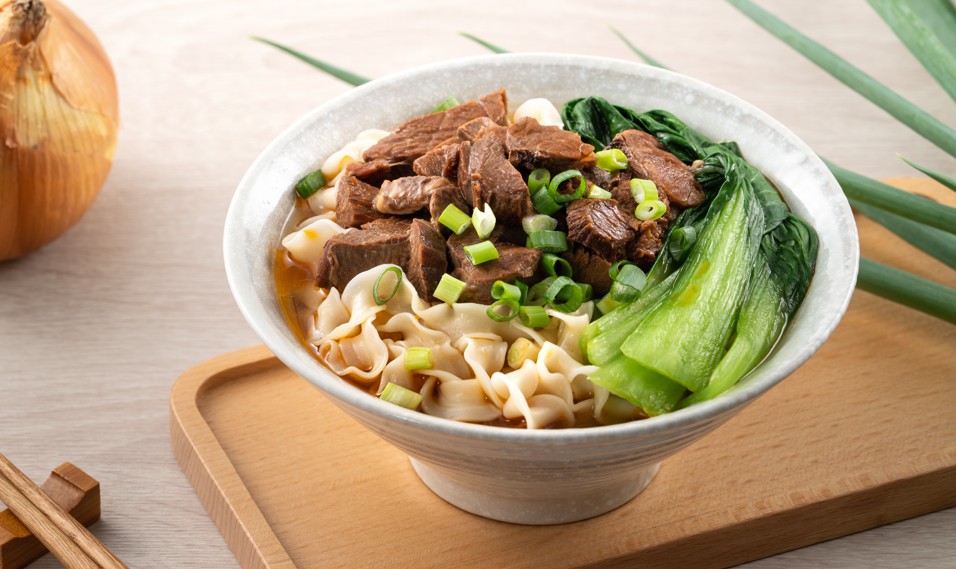
Food in Taiwan: What to Eat & Drink
Taiwan’s culinary landscape is a magnificent, democratic, and deeply expressive reflection of a food-obsessed island, where indigenous Austronesian roots, Hoklo (Minnan) and Hakka Chinese traditions, Japanese colonial influences, and modern global creativity converge to form one of the world’s greatest and most accessible food cultures. As a densely populated island shaped by centuries of migration and exchange, Taiwan developed a cuisine that is fiercely egalitarian, centered on the night market as a social institution, and defined by an almost obsessive pursuit of perfection within individual dishes. Shaped by its subtropical climate, complex history, and a society that values culinary skill as cultural capital, Taiwanese food celebrates beef noodle soup, braised pork rice, oyster omelets, stinky tofu, gua bao, and bubble tea—served with infectious energy and deep respect for craft. This is an island where eating is a national pastime, a form of entertainment, and a shared cultural language.
Core ingredients such as pork, chicken, seafood, rice, noodles, soy sauce, black vinegar, sesame oil, garlic, ginger, and an extraordinary range of pickled vegetables and fresh herbs form the backbone of the cuisine. Dishes are known for bold, umami-rich flavors, frequent touches of sweetness, and a masterful balance of texture achieved through braising, frying, and slow stewing. Taiwan’s geography provides abundant seafood, fertile plains for rice, and misty mountain regions ideal for tea cultivation. From neon-lit night markets to quiet countryside noodle shops and refined modern restaurants, eating in Taiwan is a continuous, exhilarating journey through the island’s history and identity.
Local Specialties of Taiwan
Taiwan’s iconic dishes are legendary for their depth of flavor and emotional resonance. Beef noodle soup (niúròu miàn) is widely considered the national dish: tender beef shank slow-braised in a richly layered broth, served with wheat noodles and often accompanied by pickled mustard greens. Braised pork rice (lǔròu fàn) is the ultimate everyday comfort food—finely chopped pork belly simmered in soy sauce and aromatics, spooned generously over white rice.
Oyster omelet (é-ā-jiān) is a defining night-market staple, combining eggs, small oysters, greens, and a starchy batter, finished with a sweet-savory sauce. Stinky tofu (chòu dòufu), famously pungent but surprisingly mild in flavor, is deep-fried and served with pickled cabbage and chili, a rite of passage for visitors. Gua bao, often called the Taiwanese hamburger, features a steamed bun filled with braised pork belly, pickled mustard greens, peanut powder, and cilantro. Other essentials include flaky scallion pancakes, three-cup chicken braised in soy sauce, rice wine, and sesame oil, lu wei assortments simmered in master stock, and bubble tea, the global phenomenon born in Taichung. Pineapple cakes remain the most iconic edible souvenir.
Everyday Taiwan & Street Food Culture
Breakfast in Taiwan is lively and satisfying, often featuring soy milk with fried dough sticks, scallion pancakes, or dan bing egg crepes. Lunch is quick and affordable, commonly a bento box, noodles, or braised pork rice. Dinner ranges from shared family meals to extended night-market crawls, and late-night eating is deeply ingrained in daily life.
The culture of the night market, corner noodle shops, single-dish specialist restaurants, and ubiquitous tea shops defines Taiwanese dining. Eating is social, fast-paced, and focused squarely on flavor. The idea of xiao chi—small eats meant to be sampled in quantity—encourages grazing rather than formal meals. Service is efficient and informal, prices are remarkably accessible, and excellent food is available around the clock.
Cultural Fusion: Indigenous Roots, Hoklo & Hakka Foundations, Japanese Legacy
Taiwanese cuisine begins with its indigenous Austronesian peoples, who relied on seafood, millet, taro, and foraged ingredients. Hoklo immigrants from Fujian brought braising techniques, soups, and seafood traditions, while Hakka communities contributed preserved foods, salt curing, and robust stir-fries.
The Japanese colonial period introduced bento culture, tempura, meticulous presentation, and an appreciation for seasonality and aesthetics. After World War II, mainland Chinese migrants added influences from Sichuan, Hunan, and beyond. The result is a uniquely Taiwanese culinary identity that synthesizes indigenous ingredients, southern Chinese flavors, Japanese sensibility, and modern creativity into a cuisine that feels both deeply rooted and constantly evolving.
Craft Beverage Scene and Local Libations
Taiwan’s beverage culture is as celebrated as its food. Bubble tea remains the global icon, with endless variations built on tea, milk, and creative toppings. Taiwanese tea culture itself is profound, featuring exceptional high-mountain oolongs from Alishan and Dong Ding, alongside Baozhong and Tieguanyin.
Fresh fruit juices, soy milk, and papaya milk are ubiquitous. Taiwan Beer is the standard local lager, while kaoliang, a powerful sorghum liquor from Kinmen, represents the island’s traditional spirit culture. Craft beer and specialty coffee scenes continue to grow, adding further depth to Taiwan’s already rich drinking culture.
International Dining and Contemporary Scene
As a highly globalized society, Taiwan offers an outstanding range of international dining, particularly Japanese cuisine, which is often executed at an exceptionally high level. Korean, Italian, Southeast Asian, and Western restaurants are also widespread and well regarded.
Modern Taiwanese or New Taiwanese cuisine is an exciting movement, with chefs reimagining classic street foods and home dishes through fine-dining techniques and refined presentation. Despite this innovation, the heart of Taiwanese food culture remains firmly anchored in its night markets, family-run shops, and breakfast stalls. The contrast between tradition and experimentation is one of Taiwan’s greatest culinary strengths.
Food Customs and Practical Tips
Dining etiquette in Taiwan is relaxed. Tipping is not practiced. Chopsticks should not be placed upright in rice, and sharing dishes is common. Slurping noodles is acceptable and often encouraged. Cash is essential for night markets, though EasyCard payments are increasingly accepted in chains and convenience stores.
For the essential experience, visit at least one major night market and try the core trio of beef noodle soup, braised pork rice, and bubble tea. Approach stinky tofu with curiosity rather than fear. Explore beyond Taipei—Tainan is renowned for historical snacks, Taichung for bubble tea culture, and Hualien for indigenous cuisine.
Within Taipei, explore Shilin Night Market for a classic introduction, Yongkang Street for iconic restaurants, Ximending for youthful energy, and Dihua Street for traditional ingredients and old-city atmosphere. Combine legendary institutions with modern Taiwanese restaurants, and consider a guided food tour for deeper context. Taiwan offers some of the best value for high-quality food anywhere in the world. Above all, embrace its culinary spirit: obsessive, generous, endlessly flavorful, and joyfully devoted to the simple pleasure of eating well.
This guide covers what to eat in Taiwan, from beef noodle soup and braised pork rice to oyster omelets, gua bao, and modern Taiwanese classics. Use it to plan your culinary pilgrimage to one of Asia’s most rewarding food destinations.
Check monthly weather averages for
Latest Secret Flying deals to Taiwan
Geneva, Switzerland to Taipei, Taiwan for only €457 roundtrip
Cheap flights from Geneva, Switzerland to Taipei, Taiwan for only €457 roundtrip.
View DealAmsterdam, Netherlands to Taipei, Taiwan for only €463 roundtrip
Cheap flights from Amsterdam, Netherlands to Taipei, Taiwan for only €463 roundtrip with Xiamen Airlines.
View DealBudapest, Hungary to Taipei, Taiwan for only €453 roundtrip
Cheap flights from Budapest, Hungary to Taipei, Taiwan for only €453 roundtrip.
View Deal [adblockingdetector id="638efa67113bf"]