


Tallinn Food Guide
Food in Tallinn: What to Eat & Drink
Tallinn’s culinary landscape is a compelling fusion of medieval Baltic traditions, Nordic restraint, and contemporary innovation, where ancient rye bread, smoked fish, and forest-foraged ingredients meet New Nordic techniques and a confident, tech-driven mindset. As Estonia’s historic capital and one of Europe’s most advanced digital societies, Tallinn has developed a food culture that is deeply shaped by a harsh northern climate and strict seasonal rhythms, yet increasingly forward-looking and experimental. Guided by respect for local ingredients, preservation methods, and a growing cosmopolitan outlook, Estonian cuisine in Tallinn celebrates black bread, pork, potatoes, dairy, wild berries, mushrooms, and Baltic seafood, presented with minimalist elegance and quiet precision.
Centuries of German, Danish, Swedish, and Russian rule, combined with its role as a Hanseatic port and a dramatic post-Soviet rebirth, have left Tallinn with a layered and distinctive culinary identity. This is a city where food bridges a medieval past and a digital future, where you can dine in a candlelit 15th-century cellar or a repurposed factory turned design-forward restaurant, often within minutes of each other. Eating in Tallinn is a journey through resilience, seasonality, and a renewed sense of national pride.
Core ingredients such as rye, barley, potatoes, pork, herring, pike-perch, sour cream, curd cheese, dill, wild berries (lingonberries, cloudberries), and mushrooms form the foundation of Estonian cooking. Dishes are typically earthy, savory, and sometimes sour or smoky, reflecting a long reliance on preservation techniques like smoking, pickling, drying, and fermenting. Tallinn’s coastal location provides access to both freshwater and Baltic seafood, while surrounding forests supply mushrooms, berries, and game. From a rustic kõrts in the Old Town to a modern kitchen in Telliskivi Creative City, eating in Tallinn reveals a cuisine that is both grounded and quietly ambitious.
Local Specialties of Tallinn
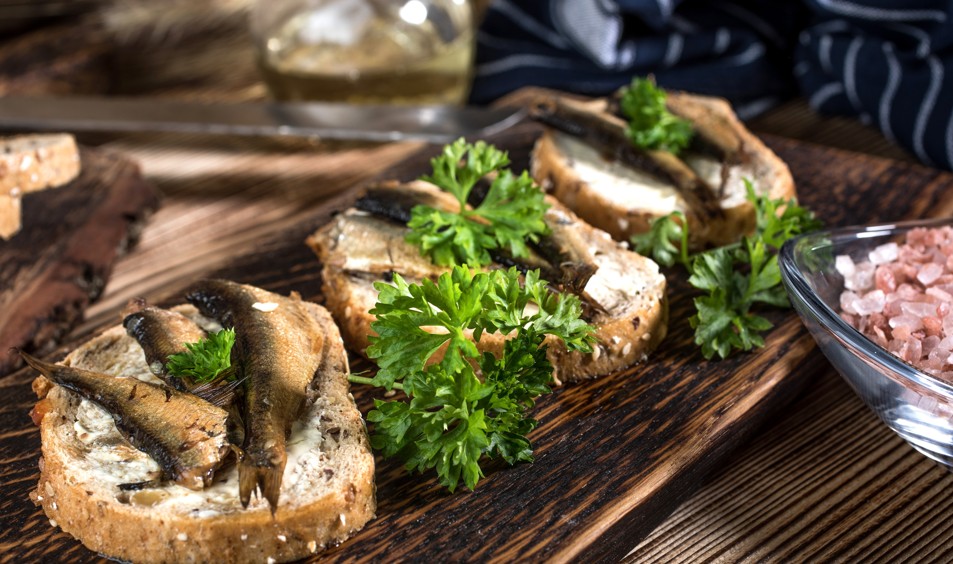
Tallinn’s signature dishes reflect its northern climate and agrarian roots. Kiluvõileib is the quintessential Estonian open-faced sandwich: dense rye bread spread with butter and topped with marinated Baltic herring, often garnished with sliced boiled egg and chives. It appears everywhere from cafes to home kitchens.
Verivorst (blood sausage) served with Mulgikapsad (slow-cooked sauerkraut with pork) is traditionally associated with Christmas but widely available year-round. Seapraad hapukapsaste ja kartulitega (roast pork with sauerkraut and potatoes) is a classic family meal and a staple of traditional restaurants. Rosolje, a striking pink salad made from beetroot, herring, potatoes, apples, and pickles, reflects Russian and Scandinavian influence.
Other notable dishes include marineeritud angerjas (marinated eel), kartulipuder (mashed potatoes, often paired with gravy or smoked fish), and hernesupp (pea soup), traditionally eaten on Thursdays. Kohuke, a chocolate-coated curd cheese snack, is beloved nationwide. Kama, a finely milled blend of roasted grains and peas, is mixed with yogurt or kefir for breakfast or dessert. Leivasupp, a sweet rye bread soup with dried fruit and berries, showcases the Estonian talent for turning humble ingredients into comforting dishes.
Everyday Tallinn & Estonian Food
Breakfast is usually simple and nourishing, featuring porridge, yogurt with muesli, or an open-faced sandwich. Lunch is often the main cooked meal of the day and may consist of soup or a hearty stew served with bread. Dinner can be similar or slightly lighter. The culture of the kohvik (cafe) for coffee and pastries and the kõrts (tavern) for filling, traditional food remains central to daily life.
Eating in Tallinn is closely tied to the seasons: fresh herbs, berries, and light dishes dominate the short summer, while preserved, smoked, and fermented foods define the long winter months. Service in traditional establishments tends to be reserved but polite, while modern restaurants are more relaxed and international in style. Home cooking and the concept of kodu (home) retain strong cultural importance.
Cultural Fusion: Baltic-Finnic Roots, German & Scandinavian Layers, Soviet Legacy & New Nordic
Estonian cuisine is built on ancient Finno-Ugric food traditions centered on fishing, hunting, foraging, and grain cultivation. Centuries of Baltic German rule introduced baking, sausages, roasts, and more structured cooking methods, while Scandinavian influence, particularly Swedish, contributed dishes like rosolje.
The Soviet period left behind canteen-style cooking and pan-regional dishes, but it also reinforced self-sufficiency and seasonal preservation. Today, Tallinn’s modern food scene is strongly influenced by the New Nordic movement, emphasizing foraging, fermentation, locality, and sustainability. The result is a Tallinn table where ancient rye bread, German-influenced roast pork, Scandinavian salads, Soviet-era comfort food, and contemporary foraged plates coexist naturally.
Craft Beverage Scene and Local Libations
Tallinn’s beverage culture is both historic and rapidly evolving. Kali, a lightly fermented rye bread drink similar to kvass, is a traditional non-alcoholic staple. Vana Tallinn, a sweet, spiced rum-based liqueur, is the country’s most iconic spirit, often enjoyed after meals or added to coffee.
Estonia’s craft beer scene has gained international recognition, with breweries such as Põhjala producing bold, high-quality beers. Locally distilled vodka and gin, frequently flavored with juniper and forest botanicals, are highly regarded. Apple cider made from local fruit is popular, while coffee culture is strong and modern, with many excellent specialty cafes. Fermented milk drinks like keefir and berry juices made from sea buckthorn or cranberry remain everyday staples.
International Dining and Contemporary Scene
As a tourist hub and EU capital, Tallinn offers a wide range of international cuisines, including Russian, Georgian, Italian, Asian, and Middle Eastern restaurants, particularly in the city center, Kalamaja, and Rotermann Quarter.
Modern Estonian and New Nordic cuisine drives the high-end dining scene, with chefs crafting seasonal tasting menus rooted in the Estonian landscape. At the same time, everyday dining remains anchored in traditional taverns and cafes serving comforting, familiar dishes. Tallinn’s food scene balances heritage and experimentation with ease, giving visitors access to both deeply traditional Baltic flavors and cutting-edge Nordic-inspired cooking in a compact, walkable city.
Food Customs and Practical Tips
Dining in Tallinn is generally casual. Tipping around 10% is appreciated but not obligatory. It is polite to keep your hands visible on the table and to make eye contact when toasting. Bread is treated with respect and should not be wasted.
For an authentic experience, eat at a traditional kõrts in the Old Town for classic dishes or medieval ambiance, and visit Balti Jaama Turg (Baltic Station Market) for local produce, street food, and a glimpse of everyday life. Try open-faced sandwiches at a local cafe, and explore craft beer bars in Kalamaja and Telliskivi.
Explore different areas: Old Town (Vanalinn) for historic taverns and atmospheric dining; Kalamaja for trendy cafes, restaurants, and wooden-house charm; Telliskivi Creative City for food halls and modern concepts; and Rotermann Quarter for upscale dining in restored industrial buildings. Expect lighter, outdoor-focused dining in summer and cozy, hearty meals in winter. Compared to Nordic capitals, Tallinn offers excellent value. Above all, embrace Tallinn’s culinary spirit: earthy, inventive, deeply seasonal, and proudly Estonian—a genuine taste of the resilient and forward-looking Baltic North.
This guide covers what to eat in Tallinn, from kiluvõileib and verivorst to rosolje, kama, and modern Estonian classics. Use it to plan your culinary exploration of Estonia’s captivating capital.
Check monthly weather averages for
Latest Secret Flying deals to Tallinn
Toronto, Canada to Tallinn, Estonia for only $661 CAD roundtrip
Cheap flights from Toronto, Canada to Tallinn, Estonia for only $661 CAD roundtrip with TAP Air Portugal.
View DealLos Angeles to Tallinn, Estonia for only $465 roundtrip
Cheap flights from Los Angeles to Tallinn, Estonia for only $465 roundtrip with Scandinavian Airlines.
View DealNew York to Tallinn, Estonia for only $374 roundtrip
Cheap flights from New York to Tallinn, Estonia for only $374 roundtrip with Scandinavian Airlines.
View Deal [adblockingdetector id="638efa67113bf"]