


Tashkent Food Guide
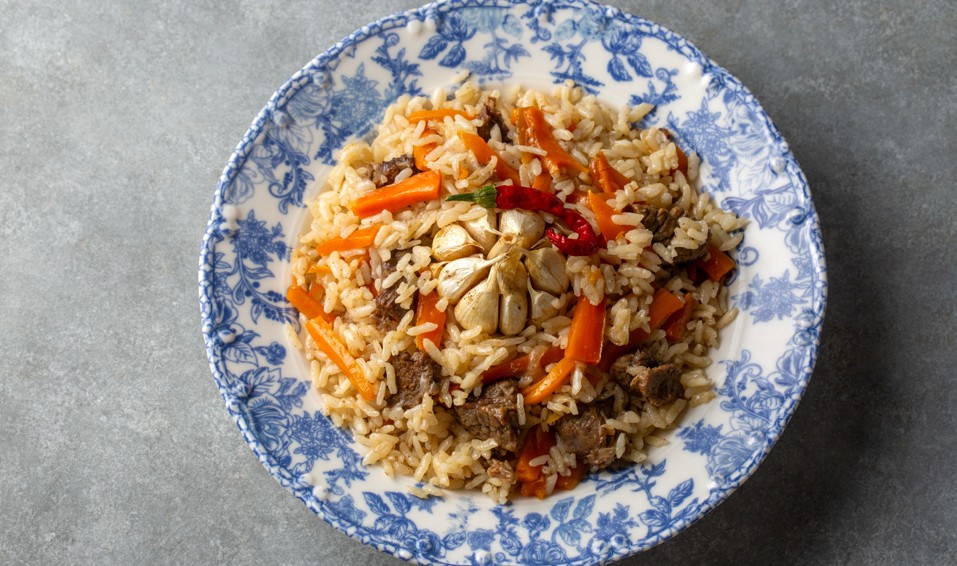
Food in Tashkent: What to Eat & Drink
Tashkent’s culinary landscape is a hearty, aromatic, and historically rich expression of Central Asia’s role as a crossroads of civilizations, where ancient Silk Road trade, Persian refinement, Turkic nomadic traditions, and Soviet-era influences converge into a cuisine defined by generosity, depth of flavor, and ritualized hospitality. As Uzbekistan’s capital and largest city, Tashkent developed a food culture that is deeply traditional yet quietly cosmopolitan, governed by communal dining around the dastarkhan, Islamic customs, and a post-Soviet urban rhythm that blends legacy and modernity. Shaped by its proximity to the fertile Fergana Valley, its centuries-long importance as a trading hub, and its time as a Soviet administrative center, Uzbek cuisine in Tashkent celebrates plov, kebabs, dumplings, flatbreads, and dairy-based accompaniments, all served with warmth and ceremony. This is a city where food is social glue, where recipes are perfected over generations, and where every meal is an invitation to share in Uzbekistan’s legendary hospitality.
Core ingredients such as lamb, beef, carrots, onions, rice (especially the prized Devzira variety), chickpeas, cumin, coriander, dill, and fresh herbs form the backbone of the cuisine. Dishes are rich and savory, often gently sweetened by carrots or onions, and built through slow-cooking, grilling, and careful layering of flavors. Tashkent’s geography provides access to some of Central Asia’s best produce and grains, while its urban fabric blends Soviet-modernist avenues with traditional mahallas, where neighborhood bakeries and tea houses remain essential social spaces. From a bustling plov center (oshxona) near Chorsu Bazaar to refined restaurants in the city center, eating in Tashkent is an essential journey into the living heart of the Silk Road.
Local Specialties of Tashkent
Tashkent’s most iconic dishes are cornerstones of Uzbek cuisine, often prepared for sharing. Plov (Osh) is the undisputed national dish: a monumental rice pilaf cooked in a giant kazan (cauldron) with lamb or beef, carrots, onions, chickpeas, and spices, sometimes topped with whole garlic bulbs or quail eggs. Regional styles vary, and Tashkent’s version is typically lighter and less oily, emphasizing savory balance.
Shashlik consists of skewers of marinated lamb, beef, or chicken grilled over charcoal. Manti are large steamed dumplings filled with minced meat and onions, served with sour cream or yogurt. Lagman is a hearty noodle soup or stir-fry made with hand-pulled noodles, meat, and vegetables. Samsa are flaky pastries filled with meat or pumpkin, baked in a clay tandyr oven. Dimlama is a slow-cooked stew of layered meat and vegetables. Chuchvara are smaller dumplings served in broth or with yogurt.
Non (Uzbek flatbread) is sacred—never placed upside down and always broken by hand—while Shurpa is a rich meat and vegetable soup. Norin, a traditional dish of finely chopped horse meat or beef with thin noodles, is often served cold for special occasions and celebrations.
Everyday Tashkent & Uzbek Food
Breakfast is usually simple: bread with kaymak (clotted cream), honey, or jam, accompanied by tea. Lunch is the main meal of the day and often centers on plov, lagman, or shashlik, with salads and plenty of bread. Dinner can be similar or lighter. The culture of the oshxona (plov-focused restaurant), the chaikhana (tea house), and the market food stall defines daily eating.
Meals are communal and ceremonial. Tea—most often green tea—is served before, during, and after eating. Bread is shared, dishes arrive on large platters, and guests are offered the best portions. Hospitality is paramount, and meals are enjoyed slowly, with conversation taking precedence over speed or formality.
Cultural Fusion: Turkic Nomadic Roots, Persian Refinement & Russian-Soviet Layers
Uzbek cuisine began with Turkic nomadic traditions centered on meat, dairy, and portable grains. Persian influence introduced rice cultivation, refined stews, and the use of fruits and vegetables in savory dishes. The Silk Road added spices and diversity through trade.
Russian and Soviet rule layered in potatoes, salads, vodka, and the culture of public canteens. Today, these influences coexist naturally, creating a Tashkent table where shashlik, plov, Russian-style salads, and Soviet-era practicality blend seamlessly into a distinctly Uzbek culinary identity.
Craft Beverage Scene and Local Libations
Tashkent’s beverage culture is deeply traditional. Green Tea (Kuk Choy) is the national drink, served unsweetened in small bowls and offered as a sign of respect and welcome.
Black Tea is also common. Ayran, a refreshing salted yogurt drink, is popular in summer. Kumis (fermented mare’s milk) exists more on the cultural margins in the city. Vodka appears at celebrations and formal toasts, reflecting Soviet legacy. Local beer, wine, fruit compotes, and fresh juices are widely available, while coffee culture is steadily growing in modern cafés.
International Dining and Contemporary Scene
As Uzbekistan’s capital, Tashkent hosts a growing range of international restaurants, including Russian, Korean (from the Koryo-saram community), Turkish, Italian, and Chinese cuisine, catering to diplomats, expats, and an expanding middle class.
Modern or reinterpreted Uzbek cuisine remains niche, with only a few chefs experimenting with contemporary presentation. The heart of the city’s dining culture, however, remains firmly rooted in traditional oshxonas, chaikhanas, and the vibrant Chorsu Bazaar. Authenticity, scale, and generosity define the experience.
Food Customs and Practical Tips
Etiquette matters. Always accept tea and bread when offered. Eat with your right hand when sharing dishes. Never place bread upside down. A polite initial refusal before accepting food is customary. Tipping is modest and optional but increasingly common in tourist-oriented restaurants.
For the most authentic experience, eat plov at a dedicated oshxona for lunch—the best batches sell out by early afternoon. Visit Chorsu Bazaar to sample dried fruits, nuts, bread, and market food. Spend time in a chaikhana with green tea. Try multiple types of non—each bakery uses its own stamp and recipe.
Explore different areas: Chorsu Bazaar for traditional, high-energy food culture; the city center for a mix of classic restaurants and modern cafés; and residential mahallas for hidden local eateries. Pair a legendary plov center with a relaxed tea house visit. Expect generous portions, abundant meat and bread, and sincere hospitality. Above all, embrace Tashkent’s culinary spirit: ceremonial, deeply flavorful, and rooted in the belief that sharing food is the highest expression of respect and friendship—a true taste of the Silk Road’s enduring legacy.
This guide covers what to eat in Tashkent, from plov and shashlik to manti, lagman, and essential Uzbek classics. Use it to plan your culinary journey to the heart of Central Asia.
Check monthly weather averages for
Latest Secret Flying deals to Tashkent

Riga, Latvia to Tashkent, Uzbekistan for only €269 roundtrip (Feb-Apr dates)
Cheap flights from Riga, Latvia to Tashkent, Uzbekistan for only €269 roundtrip with LOT Polish Airlines.
View Deal [adblockingdetector id="638efa67113bf"]