


Best Things to Do in The Gambia: A Complete Guide
10 Best Things to Do in The Gambia
Looking for what to do in The Gambia? As Africa’s smallest mainland nation, The Gambia offers a remarkably rich and diverse experience packed into a slender strip of land following the mighty Gambia River. Known as the “Smiling Coast of Africa” for the renowned warmth of its people, this peaceful country is a haven of abundant birdlife, lush riverine landscapes, golden Atlantic beaches, and deep cultural heritage. From the bustling markets of Serrekunda to the tranquil mangrove creeks and historic sites tied to the transatlantic slave trade, The Gambia provides an accessible, intimate, and profoundly welcoming introduction to West Africa.
Whether your interest lies in wildlife watching, river adventures, cultural immersion, or simply relaxing on a sunny beach, The Gambia’s compact size makes it easy to experience a wide variety of attractions. To help you discover the very best of this captivating country, here are the 10 best things to do in The Gambia to help you plan the perfect trip.
1. Cruise along the Gambia River
The Gambia River is the lifeblood of the nation, and exploring it by boat is the quintessential Gambian experience. A river cruise unveils the country’s soul, taking you away from the coastal resorts into a world of tranquil waters, dense mangrove forests, and traditional villages clinging to the banks. Options range from short sunset cruises to multi-day expeditions upriver. As you glide along, you’ll spot an incredible array of birdlife—from vibrant kingfishers and soaring fish eagles to colonies of squawking hornbills. Keep an eye out for hippos surfacing, monkeys swinging through the riverside trees, and basking crocodiles.
The river is also a vital corridor of daily life; you’ll see fishermen casting nets from wooden pirogues, women washing clothes on the banks, and children waving from village shores. A river cruise offers both breathtaking natural beauty and a gentle, unhurried insight into the rhythms of Gambian life.
2. Visit Abuko Nature Reserve
Just a short drive from the tourist areas, Abuko Nature Reserve is The Gambia’s oldest and most accessible protected area. This pocket of lush tropical forest and quiet ponds feels worlds away from the bustling coast. Well-marked, shaded trails wind through the reserve, making it an easy and rewarding walk. It’s a premier spot for birdwatching, with over 300 species recorded, but the real thrill for many visitors is the chance to see mammals like the vibrant green vervet monkeys, shy bushbucks, and if you’re very lucky, a spotted genetto.
The reserve also includes a small educational zoo and rehabilitation center for orphaned or injured animals. A visit to Abuko is a perfect half-day excursion that showcases the country’s commitment to conservation and provides a wonderful immersion into a classic West African forest ecosystem.
3. Explore Kachikally Crocodile Pool
Located in the heart of Bakau, the Kachikally Crocodile Pool is one of three sacred crocodile pools in The Gambia, revered for centuries by the local Mandinka people for its association with fertility and healing. While it is a popular tourist site, it remains a deeply spiritual place for Gambians. Visitors can walk around the serene, tree-shaded pool where dozens of West African crocodiles, some impressively large, lounge passively on the banks.
Under the careful supervision of guides, you can even touch one of the calmer crocodiles—an unforgettable photo opportunity. A small on-site museum provides context on the cultural significance of the site and crocodile symbolism in Gambian tradition. It’s a unique experience that blends wildlife, folklore, and living culture.
4. Relax on Kololi Beach & the Atlantic Coast
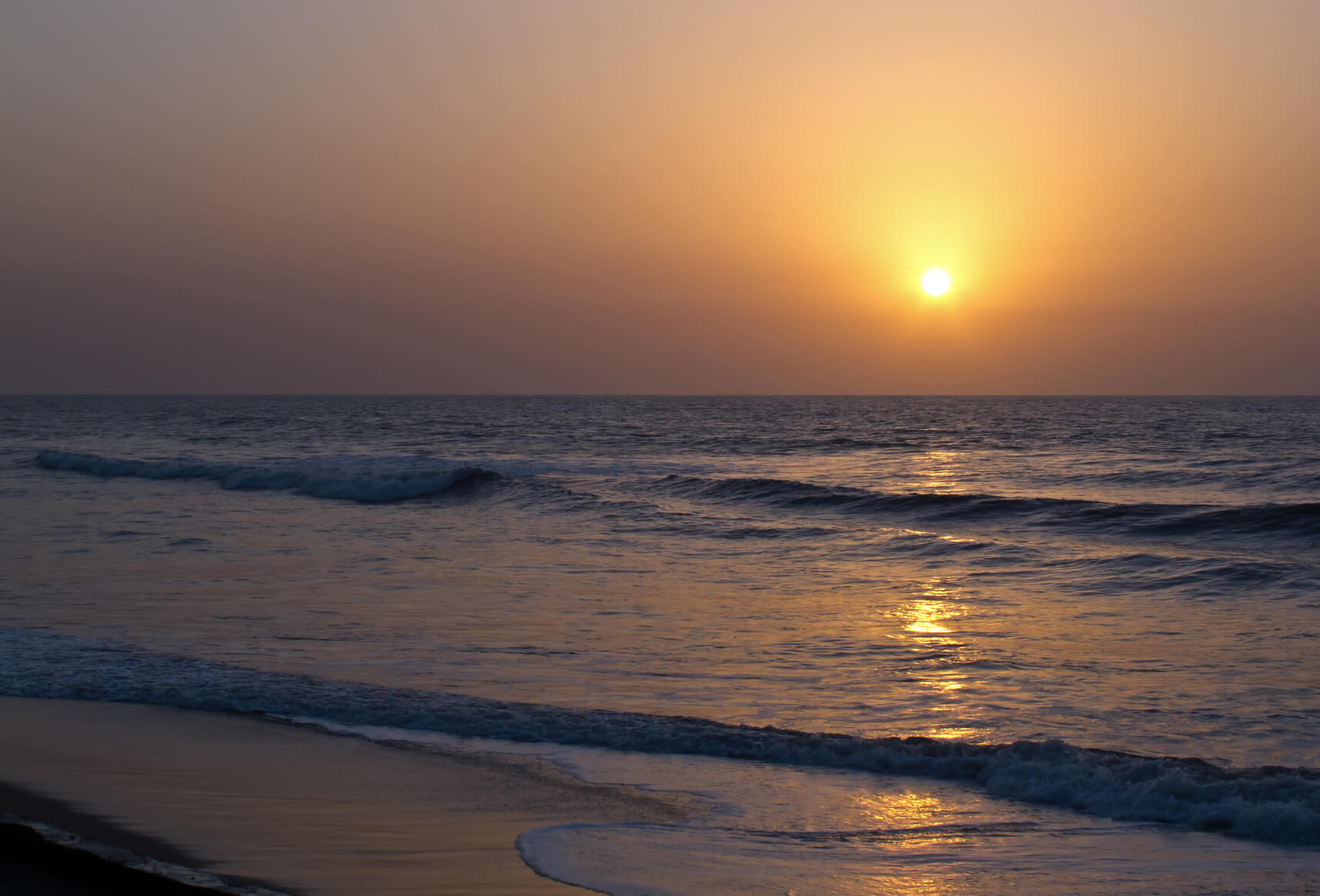
The stretch of coast around Kololi and Cape Point is the center of The Gambia’s beach tourism. Here, wide expanses of golden sand are backed by swaying palms, beach bars, and hotels. The Atlantic waters are warm, though currents can be strong, so swimming is best in designated areas. The beach is a vibrant social hub: you can rent a sun lounger, enjoy a cold drink, get a braid or a massage from a local “beach lady,” or simply watch the colorful parade of life.
As the sun sets, the atmosphere becomes even more lively with drumming performances, impromptu football matches, and the enticing smell of grilled seafood from beachside barbecues. For a more secluded beach experience, head south to quieter areas like Kartong or Gunjur.
5. Visit the Tanji Bird Reserve
A must for any bird enthusiast, the Tanji Bird Reserve (Karinti) protects a crucial area of coastal habitat including beach, dunes, scrubland, and a freshwater lagoon. This diversity makes it one of the best birding sites in West Africa, especially for coastal and migratory species. With a knowledgeable guide, you can spot a stunning variety of birds, from flashy bee-eaters and enormous ospreys to waders like curlews and sandpipers along the shoreline.
The reserve is also home to monkeys and monitor lizards. The adjacent Tanji Fishing Village adds a cultural element to the visit, as the bustle of the fishing industry attracts its own cadre of seabirds. A morning spent here with binoculars is a rewarding immersion into The Gambia’s incredible avian biodiversity.
6. Explore Tanji Fishing Village
Adjacent to the bird reserve, Tanji Fishing Village offers one of The Gambia’s most vivid and photographic cultural experiences. In the late afternoon, the beach becomes a scene of controlled chaos as brightly painted wooden pirogues return through the surf with the day’s catch. The air fills with shouts as fishermen haul in nets, and fish are swiftly sorted, auctioned, smoked, or dried on racks along the sand.
The energy is infectious, and the sights and smells are unforgettable. It’s a powerful glimpse into an industry that sustains countless Gambian families. Remember to be respectful with photography, and consider hiring a local guide from the village who can explain the process and ensure your visit supports the community.
7. Visit James Island (Kunta Kinteh Island)
A journey upriver to James Island (renamed Kunta Kinteh Island) and the associated villages of Albreda and Juffureh is a profound historical pilgrimage. This UNESCO World Heritage Site was a pivotal holding station in the transatlantic slave trade. Standing amid the ruins of the fort on the small, lonely island, with a guide explaining its harrowing past, is a moving and sobering experience.
The trip typically includes visits to the nearby riverbank villages, which are part of the narrative popularized by Alex Haley’s Roots. The Slave House Museum in Albreda and the Freedom Flagpole provide further context. This journey is essential for understanding a central, tragic chapter in world history and its direct connection to The Gambia.
8. Wander through Serrekunda Market
To experience the bustling commercial heart of everyday Gambia, dive into Serrekunda Market, the country’s largest. This sprawling, labyrinthine market is a sensory overload in the best possible way. Narrow alleyways are packed with stalls selling vibrant ankara fabrics, handcrafted leather goods, woven baskets, fresh produce, spices, and household items. The air is filled with the calls of vendors, the scent of herbs and smoked fish, and the vibrant energy of commerce.
It’s an ideal place to practice your bargaining skills and pick up authentic souvenirs. Having a local guide can enhance the experience, helping you navigate and understand the different sections. A visit here is more than shopping; it’s an immersion into the vibrant, resilient spirit of Gambian urban life.
9. Visit Makasutu Culture Forest
Makasutu, meaning “Holy Forest” in Mandinka, is a privately managed ecotourism reserve that has become a model for sustainable tourism in The Gambia. This pristine area of palm forest, mangrove creeks, and savannah woodland is rich in biodiversity and folklore. Visitors can take guided nature walks to spot monkeys and birds, paddle through silent mangrove channels in a dugout canoe, and visit a local village.
The experience often includes demonstrations of traditional skills like palm wine tapping and opportunities to witness captivating cultural performances of drumming and dance. Makasutu successfully balances conservation, community benefit, and visitor experience, offering a peaceful and educational day in a beautiful setting.
10. Experience Gambian cuisine & music
Your trip to The Gambia is incomplete without indulging in its flavorful cuisine and infectious music. The national dish is domoda—a rich, savory peanut stew typically served with rice. Other must-try dishes include benachin (“one pot” jollof rice), yassa (marinated chicken or fish in a tangy onion and lemon sauce), and freshly caught grilled barracuda or bonga fish from the Atlantic.
This culinary journey is best accompanied by The Gambia’s vibrant musical heritage. Seek out live performances featuring the hypnotic sounds of the kora (21-string harp-lute), the dynamic rhythms of djembe drumming, and energetic traditional dance. From beachside barbecues to cultural centers, food and music are the joyful, unifying threads of Gambian society.
Check monthly weather averages for
Latest Secret Flying deals to The Gambia
Barcelona, Spain to Banjul, Gambia for only €259 roundtrip
Cheap flights from Barcelona, Spain to Banjul, Gambia for only €259 roundtrip with TAP Air Portugal.
View DealNon-stop from London or Manchester, UK to Banjul, Gambia from only £222 roundtrip
Non-stop flights from London or Manchester, UK to Banjul, Gambia from only £222 roundtrip.
View DealFrance or Italy to Banjul, Gambia from only €334 roundtrip
Cheap flights from France or Italy to Banjul, Gambia from only €334 roundtrip with TAP Air Portugal.
View Deal [adblockingdetector id="638efa67113bf"]