


Tucson Food Guide
Food in Tucson: What to Eat & Drink
Tucson’s culinary landscape is a sun-baked, deeply historic, and flavor-forward expression of the Sonoran Desert, where ancient Native agriculture, Spanish colonial mission foodways, Mexican ranching traditions, and a modern “desert-to-table” revival converge to create the first UNESCO City of Gastronomy in the United States. As one of North America’s oldest continuously inhabited regions, Tucson developed a food culture rooted in the ingenious use of desert-adapted ingredients, governed by the rhythms of monsoon seasons and harvest cycles, and defined by a proud local commitment to growers, heritage grains, and Indigenous food knowledge. Shaped by its high-desert basin, its history as a crossroads of trade and migration, and a vibrant arts-and-university energy, Tucson’s cuisine is a celebration of Sonoran hot dogs, carne seca, mission-era wheat tortillas, mesquite flour, and Indigenous staples like tepary beans and cholla buds—served with laid-back hospitality and serious culinary pride. This is a city where food is a living link to millennia of agriculture, where ancient flavors meet modern craft, and where every meal tells a story of survival and celebration in a beautiful, harsh landscape.
Core ingredients like heritage wheat (White Sonora), blue corn, tepary beans, chiltepín chiles, prickly pear, mesquite pods, squash, and locally raised beef and pork form the foundation. Dishes are characterized by bold, earthy, often smoky profiles, a mastery of slow-cooking and wood-fire grilling, and a layered interplay of Native, Spanish, and Mexican techniques. Tucson’s Sonoran geography offers a surprising bounty of drought-tolerant foods, while its community of farmers, bakers, and chefs has turned local ingredients into a defining identity. From a legendary Sonoran hot dog cart on South 12th Avenue to a tasting menu built around desert botanicals, eating in Tucson is a delicious journey through one of America’s most distinctive regional food cultures.
Local Specialties of Tucson
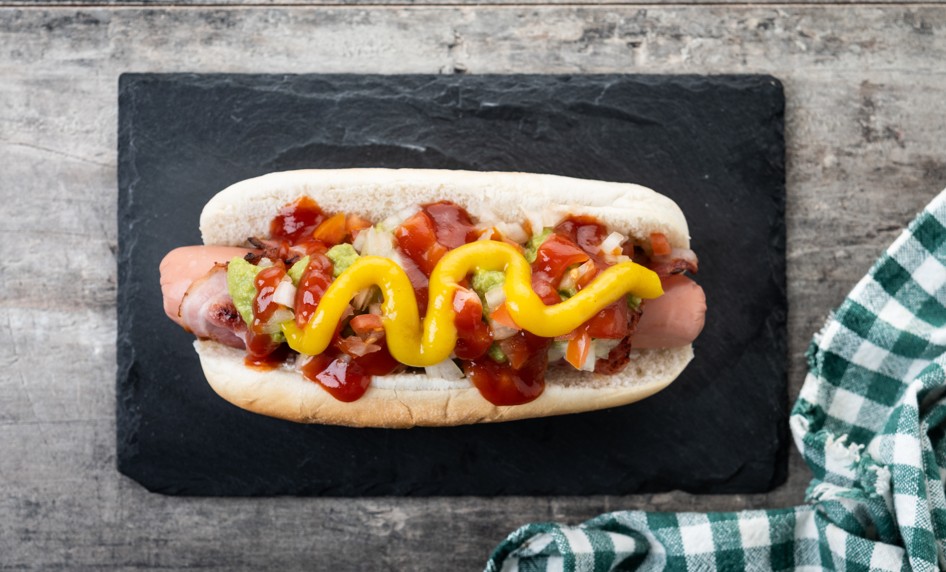
Tucson’s iconic dishes are specific to the Sonoran region and the city’s borderlands history. The Sonoran Hot Dog is Tucson’s most famous street food: a bacon-wrapped hot dog grilled and tucked into a bolillo-style bun, then piled with beans, onions, tomatoes, jalapeño sauce, mayo, and mustard—messy, maximalist, and beloved. Carne Seca is a signature desert preparation: air-dried beef, shredded and often rehydrated in a chile-rich sauce, historically used to preserve meat in arid climates and still central to Tucson plates today.
Mission-era Flour Tortillas—large, thin, and intensely flavorful—are often made with heritage White Sonora wheat, a defining local ingredient. Chimichangas, while disputed in origin, are deeply associated with Tucson, typically a deep-fried burrito filled with carne seca, beef, or chicken. Cheese Crisps are a beloved local bar snack: an open-faced flour tortilla baked or crisped with melted cheese (often with green chiles or other toppings). Calabacitas (squash, corn, chiles, and cheese) is a classic Sonoran comfort dish. Weekend staples include menudo and pozole, hearty stews that anchor family breakfasts and community gatherings.
Tucson’s Indigenous foodways are increasingly visible in the mainstream scene, with dishes featuring tepary beans, cholla buds, saguaro fruit syrup, and mesquite. Fry bread appears in some contexts, though its history is complex and often discussed alongside Indigenous resilience and displacement. Eegee’s is a local institution for frozen fruit slushes that have become a quintessential Tucson refreshment.
Everyday Tucson & Sonoran Eating
Breakfast is a serious affair: huevos rancheros, chorizo and eggs, breakfast burritos, and strong coffee fuel the day. Lunch is often quick and casual—tacos, tortas, a Sonoran hot dog, or a carne asada plate. Dinner ranges from multigenerational family-run Mexican restaurants to modern Southwestern bistros and craft-focused small plates. The culture of the family-owned Mexican restaurant, the food truck and cart, and the farmers’ market is central.
Eating is relaxed, social, and tied to the land’s yield. The city’s rhythm respects the desert heat: long patio seasons in cooler months and late-night eating when the sun drops. Service tends to be warm and unpretentious. The “local first” ethos is not branding here—it is a community project, with diners actively supporting heritage foods, desert agriculture, and regional identity.
Cultural Foundations: O’odham & Yaqui Roots, Spanish Mission Legacy, Mexican Ranching Culture
Tucson’s food story begins with the Tohono O’odham and Yaqui peoples, whose agricultural and foraging practices shaped the region for thousands of years. They cultivated and cooked with desert-adapted staples—beans, corn, squash, and wild foods—building a cuisine designed for scarcity, heat, and seasonal change. Spanish missionaries in the 1700s introduced wheat, cattle, and Old-World crops, creating the distinctive fusion that defines Sonoran cuisine.
Mexican independence and later American influence added new layers, but the foundational borderlands character remained intact. The result is a Tucson table where Indigenous ingredients, mission-era wheat tortillas, ranch-style carne asada, and local Mexican culinary traditions exist side by side—now being actively researched, revived, and elevated by a new generation of bakers, farmers, and chefs.
Craft Beverage Scene and Local Drinks
Tucson’s beverage scene is thriving and built for the climate. Craft beer is a major pillar, with breweries producing crisp lagers, hop-forward ales, and highly drinkable styles suited to the desert. Non-alcoholic staples include horchata, jamaica (hibiscus tea), and the ever-present Mexican Coke in taquerías. Eegee’s slush remains the iconic local refresher, especially in peak heat.
Arizona wine from the Sonoita/Elgin region is increasingly visible on menus, and Tucson’s craft cocktail scene often features desert botanicals and local spirits, including smoky expressions inspired by regional wood and fire cooking. Coffee culture is strong and practical—iced coffee is a daily tool as much as a pleasure. What distinguishes Tucson is the way drinks pair with climate: cold beer with street food, tart fruit drinks to cut spice, and coffee that keeps the city moving year-round.
International Dining and the Contemporary Scene
As a university city with deep cultural ties to the borderlands, Tucson offers a solid range of international restaurants—Thai, Vietnamese, Ethiopian, Middle Eastern, and more—alongside the dominant Sonoran and Mexican landscape. The defining contemporary movement is the city’s celebrated “desert-to-table” cuisine, where chefs incorporate heritage grains, native ingredients, and local proteins into refined, regionally specific dishes.
Still, the soul of Tucson dining remains in its historic Mexican restaurants, bakeries, tortillerías, and street food. The city’s best eating is often informal, affordable, and deeply rooted—yet it coexists with ambitious cooking that treats the desert as a world-class pantry. For visitors, this combination is the magic: iconic borderlands comfort foods and a genuinely unique culinary identity grounded in sustainability and history.
Food Customs and Practical Tips
Dining is extremely casual. Tipping is standard (15–20%). Eating Sonoran hot dogs and tacos with your hands is expected. If you enjoy heat, lean into chiltepín—small but intense. Hydration is not optional, especially in summer, and many locals plan meals around cooler hours.
For an authentic experience, eat a Sonoran hot dog from a street cart and compare styles across vendors. Seek out carne seca in a classic setting and try it in multiple forms (tacos, chimichangas, plates). Visit a tortillería to taste fresh flour tortillas—especially those made with heritage wheat. Explore Mercado-style food hubs and farmers’ markets to see the region’s ingredients (mesquite, prickly pear, seasonal chiles) in context. If you can, time at least part of your visit for patio season (winter and spring) when Tucson’s outdoor dining is at its best.
Explore different areas: South Tucson and South 12th Avenue for iconic carts and taquerías; Downtown and the Mercado District for a mix of historic spots and modern desert cuisine; University-area corridors for international options and casual student favorites; and Foothills/Grant Road for more upscale Southwestern and steakhouse dining. Try both a multigenerational institution and a modern desert-ingredient-focused restaurant for the full picture. Tucson offers excellent value, particularly in its Mexican and Sonoran street food culture. Most importantly, embrace Tucson’s culinary spirit: ancient, resilient, deeply flavorful, and proudly rooted in its desert home—a true taste of the Sonoran borderlands.
This guide covers what to eat in Tucson, from the Sonoran hot dog and carne seca to mission-era tortillas, chimichangas, and Sonoran Desert classics. Use it to plan your culinary exploration of America’s first UNESCO City of Gastronomy.
Check monthly weather averages for
Latest Secret Flying deals to Tucson
SUMMER: Sydney, Australia to Tucson, Arizona for only $1376 AUD roundtrip
Summer flights from Sydney, Australia to Tucson, Arizona for only $1376 AUD roundtrip with American Airlines and Qantas.
View DealMelbourne, Australia to Tucson, Arizona for only $1352 AUD roundtrip
Cheap flights from Melbourne, Australia to Tucson, Arizona for only $1352 AUD roundtrip with United Airlines.
View DealSan Juan, Puerto Rico to Tucson, Arizona for only $266 USD roundtrip
Cheap flights from San Juan, Puerto Rico to Tucson, Arizona for only $266 USD roundtrip with United Airlines.
View Deal [adblockingdetector id="638efa67113bf"]