


Tulsa Food Guide
Food in Tulsa: What to Eat & Drink
Tulsa’s culinary landscape is a hearty, inventive, and historically layered expression of the American Heartland, where Native American foundations, oil-boom prosperity, Route 66 nostalgia, and a modern craft revival converge to create a cuisine defined by comfort food, barbecue prowess, and surprising cosmopolitan flair. As the former “Oil Capital of the World” and a city renowned for its Art Deco architecture, Tulsa developed a food culture that is both deeply traditional and increasingly creative, governed by a friendly, pragmatic ethos and a growing pride in local makers. Shaped by its location in Green Country at the edge of the Great Plains, its cycles of boom and bust, and a diverse population that includes one of the nation’s largest Native American communities, Tulsa’s cuisine is a celebration of chicken-fried steak, Oklahoma-style barbecue, fried onion burgers, cinnamon rolls with chili, and an emerging farm-to-table scene—all served with genuine, unpretentious warmth. This is a city where food tells stories of cattle drives, oil barons, and roadside Americana, where historic diners sit alongside award-winning breweries, and where every meal reflects the resilient spirit of the Plains.
Core ingredients like beef, pork, wheat, corn, beans, and Indigenous staples such as squash and cornmeal form the foundation. Dishes are characterized by their savory, hearty profiles, a love of frying and smoking, and a seamless blend of Southern, Southwestern, and Midwestern influences. Tulsa’s geography in the Arkansas River valley provides access to farmland and cattle ranches, while its revitalized downtown has turned former warehouses into thriving food destinations. From a century-old diner along Route 66 to a sleek gastropub in the Arts District, eating in Tulsa is a flavorful journey through America’s heartland past and its ambitious future.
Local Specialties of Tulsa
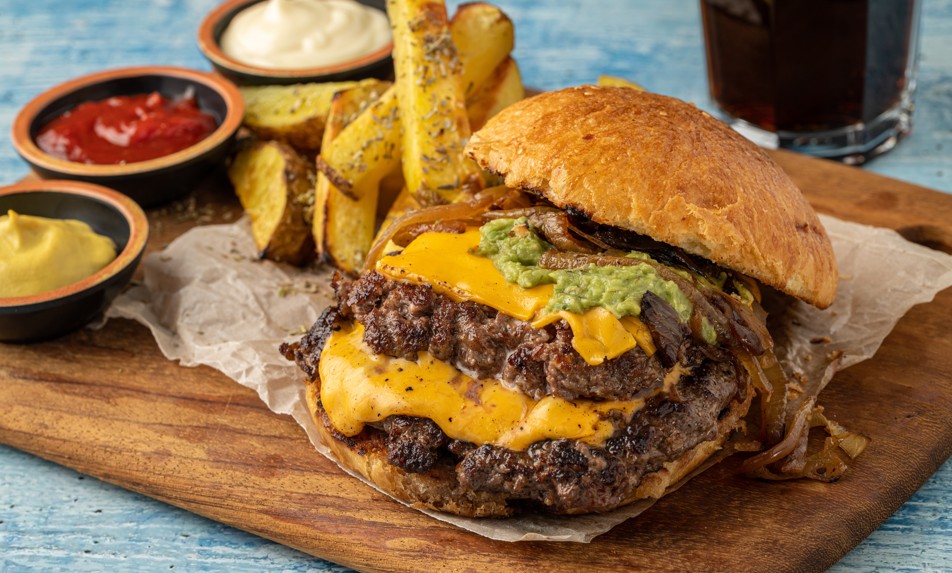
Tulsa’s iconic dishes are classic Oklahoma comfort foods with distinct local character. The Oklahoma Onion Burger is a state legend: a thin beef patty smashed on a griddle beneath a mound of thinly sliced onions, creating a caramelized, intensely savory crust. Born during the Great Depression to stretch scarce meat, it remains one of Oklahoma’s defining foods. Chicken-Fried Steak, breaded and fried like chicken and smothered in creamy peppered gravy, is another cornerstone, especially revered in diners.
Oklahoma-Style Barbecue sets itself apart with a focus on beef and distinctive items like smoked bologna, finished with a sweet, tomato-based sauce. Cinnamon Rolls and Chili is a beloved Oklahoma pairing—sweet, gooey rolls served alongside hearty chili, especially common in diners and school cafeterias. Fried Pies, filled with apple, cherry, or chocolate, are a portable heritage snack. Indian Tacos, made with fry bread instead of tortillas, reflect Tulsa’s strong Native American presence. Other local favorites include oversized burgers like the famous “Mother” at Hank’s Hamburgers, classic cornbread and fried okra, and homestyle desserts such as peach cobbler and pecan pie.
Everyday Tulsa & Oklahoma Food
Breakfast is substantial, featuring biscuits and gravy, pancakes, eggs, or breakfast burritos. Lunch tends to be casual—a burger, barbecue plate, or Tex-Mex lunch special—while dinner ranges from meat-and-three diners to upscale steakhouses. The culture of the historic diner, the neighborhood barbecue joint, the family-run Mexican restaurant, and the classic supper-club-style steakhouse remains central.
Eating is social, family-oriented, and value-conscious. Portions are generous, hospitality is warm, and service is famously friendly. Sporting events, especially college football, shape dining rhythms. In recent years, Tulsa’s food scene has been revitalized by chefs and brewers who emphasize craft, locality, and thoughtful updates to traditional dishes.
Cultural Foundations: Native Roots, Cattle Trails & Route 66 Americana
Tulsa’s foodways begin with the Muscogee (Creek) and Cherokee Nations, whose forced relocation to the region shaped its early culinary traditions, including fry bread, corn-based dishes, and communal meals. The cattle drives and ranching culture that followed reinforced a reliance on beef, beans, and simple, filling foods.
The oil boom of the early 20th century brought wealth, steakhouses, and a taste for indulgence, while Route 66 cemented Tulsa’s love for diners, burgers, and pies. The result is a table where Native American, cowboy, oil-boom, and roadside traditions coexist—forming a distinct Oklahoma culinary identity that balances humility with ambition.
Craft Beverage Scene and Local Drinks
Tulsa’s beverage scene has flourished in recent years. Craft beer is a major draw, with a dense cluster of highly regarded breweries in and around downtown, making the city one of the Midwest’s standout beer destinations. Whiskey also has a strong presence, supported by local distilleries and classic cocktail bars.
Coffee culture continues to grow, with respected local roasters and cafés serving as neighborhood hubs. Sweet tea and lemonade remain Southern staples, while regional sodas—especially Dr Pepper—retain nostalgic appeal. What distinguishes Tulsa is the ease of moving from a brewery taproom to a historic hotel bar, or from an iced tea at lunch to a well-crafted cocktail downtown.
International Dining and the Contemporary Scene
Tulsa’s international dining scene reflects its immigrant and refugee communities, with excellent Vietnamese restaurants, alongside Thai, Lebanese, and authentic Mexican cuisine, particularly in East Tulsa along Garnett Road and nearby corridors.
Modern American and New Southwestern cooking has become a defining force, with chefs sourcing local ingredients and reimagining Oklahoma classics. Still, the soul of Tulsa dining remains in its diners, barbecue joints, and family-run restaurants. The city’s food culture is a compelling mix of time-honored tradition and beer-fueled, chef-driven innovation.
Food Customs and Practical Tips
Dining in Tulsa is casual and welcoming. Tipping is standard (15–20%), and sharing plates or taking leftovers is common due to generous portions. Locals are friendly and eager to recommend their favorite spots.
For an authentic experience, try an Oklahoma onion burger at a classic counter-style joint. Seek out Oklahoma-style barbecue, especially smoked bologna. Sample the cinnamon roll and chili combination for a uniquely local tradition. Explore the Arts District and Kendall-Whittier for craft breweries and modern eateries, and visit Mother Road Market on Route 66 for a curated taste of local food culture.
Explore different neighborhoods: Downtown and the Arts District for breweries, fine dining, and cafés; Brookside and Cherry Street for bistros and bakeries; Route 66 for historic diners; and East Tulsa for standout international food. Tulsa offers excellent value, with high-quality food at approachable prices. Most importantly, embrace Tulsa’s culinary spirit: hearty, inventive, deeply rooted in history, and genuinely friendly—a true taste of Oklahoma’s welcoming heart.
This guide covers what to eat in Tulsa, from Oklahoma onion burgers and chicken-fried steak to local barbecue, cinnamon rolls with chili, and enduring Tulsa classics. Use it to plan your culinary journey through Green Country.
 [adblockingdetector id="638efa67113bf"]