


Best Things to Do in Tulsa: A Complete Guide
10 Best Things to Do in Tulsa
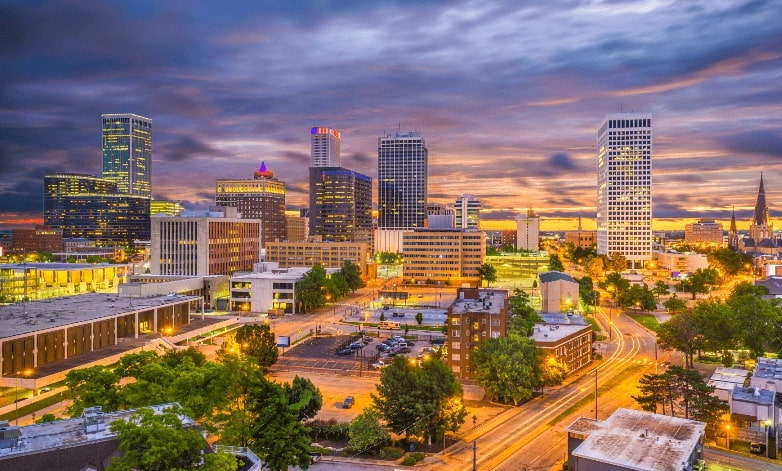
Looking for what to do in Tulsa? Often called the “Oil Capital of the World,” Tulsa is a city where a legacy of sudden wealth and cultural ambition is etched into its very skyline. This isn’t just a pit stop on Route 66; it’s a dynamic destination that seamlessly blends rich oil-boom history, striking Art Deco architecture, profound Native American heritage, Route 66 nostalgia, world-class museums, expansive scenic riverfront parks, and a vibrant, ever-evolving music scene. Through thoughtful revitalization, its neighborhoods and cultural districts hum with a new energy, while its lush green spaces offer serene escapes. The result is a surprising and compelling mix of historical depth, creative vitality, and natural beauty, promising a rich experience for every type of traveler.
From awe-inspiring riverfront highlights and iconic music landmarks to contemplative gardens, insightful museums, historic walking districts, and lively markets, crafting the perfect itinerary requires a bit of local knowledge. To help you delve beneath the surface and truly connect with the heart of the city, here are the 10 best things to do in Tulsa. This expanded guide will provide deeper context, practical tips, and hidden nuances to ensure you plan a trip that is as enriching as it is enjoyable.
1. Explore the Gathering Place: A Landmark for Community and Play
More than just a park, the Gathering Place is a transformative civic project and rightfully celebrated as one of the best public spaces in the entire United States. Stretching over 100 acres along the Arkansas River, this massive riverfront playground represents a $465 million investment in community and joy. It defies simple categorization, offering not only sprawling lawns and serene lakes but also a universe of meticulously designed experiences. The park is divided into distinct areas, each with its own character: the whimsical Chapman Adventure Playground, with its towers, slides, and sensory zones; the tranquil Peggy’s Pond, where paddle boats glide under a picturesque bridge; and the Great Lawn, an ideal spot for concerts and picnics with stunning skyline views.
Families could spend multiple days here, discovering something new each time, from the hidden water features in the Children’s Garden to the interactive musical instruments scattered along the paths. However, its appeal is universal. Walkers and cyclists revel in the five miles of beautifully maintained trails that connect to the larger River Parks system, offering ever-changing perspectives of the water and city. Architectural enthusiasts will appreciate the park’s striking structures, like the ONEOK Boathouse and the Williams Lodge, which provide shelter, dining, and rest in beautifully designed environments. The park’s seasonal programming—from outdoor yoga and fitness classes to cultural festivals and winter holiday markets—ensures it’s a living, breathing heart of the city year-round. Arrive early to park easily, and consider renting a bike or surrey to cover more ground in comfort.
2. Visit the Philbrook Museum of Art: Where Art and Nature Intertwine
The Philbrook Museum of Art offers a rare dual delight: an exceptional art collection housed within an exquisite historic home, set amidst 25 acres of formal Renaissance-inspired gardens. The core of the museum is the former 1920s Italian Renaissance-style villa of oil magnate Waite Phillips, who gifted the property to the city in 1938. Wandering its grand rooms, with their original marble fireplaces, carved woodwork, and intricate ceilings, is an experience in itself. The collection is thoughtfully curated, featuring significant holdings in Renaissance and Baroque art, 19th-century European painting, and a particularly strong collection of Native American art, including baskets, pottery, and paintings that tell a complex story of creativity and resilience.
The true magic, however, unfolds as you step out onto the terrace. The gardens are a masterpiece of landscape design, descending in a series of elegant terraces from the museum down to a reflective pond. A stroll along the winding paths reveals secluded grottos, classical fountains, shimmering pools, and an impressive collection of outdoor sculpture that changes with the seasons. The newly added south lawn and community garden spaces blend the formal with the natural. For a unique experience, visit during their seasonal “Philbrook After Hours” events, where the museum and gardens come alive with music, cocktails, and special exhibitions. Allow at least half a day to fully appreciate both the interior galleries and the expansive, photogenic grounds.
3. Explore the Woody Guthrie Center: The Heart of Social Conscience
Located in the thriving Tulsa Arts District, the Woody Guthrie Center is far more than a tribute to a folk musician; it is a dynamic cultural archive and an active engagement with the idea of art as a tool for social justice. Woody Guthrie, born in Okemah, Oklahoma, left a legacy defined by his timeless anthem “This Land Is Your Land” and his unwavering advocacy for the common person. The center immerses visitors in his life, music, and enduring influence through deeply personal artifacts: the original, handwritten lyrics to his songs, covered in edits and doodles; his weathered Martin guitar; intimate family photographs; and personal journals that reveal his thoughts on equality, hardship, and hope.
The exhibits are modern and interactive. You can listen to rare recordings, watch archival film footage of Dust Bowl Oklahoma, and even try your hand at writing a protest song in a sound booth. A powerful section is dedicated to Guthrie’s iconic “This Machine Kills Fascists” guitar slogan, exploring its historical context and continuing relevance. The center also serves as the official archive for the folk singer Phil Ochs and connects Guthrie’s work to contemporary issues and artists, ensuring his message remains a living conversation. It’s a profoundly moving visit that contextualizes American history through the lens of its most empathetic chronicler, making it essential for music lovers and students of social history alike.
4. Visit the Bob Dylan Center: An Immersive Journey into a Creative Mind
Adjacent to the Guthrie Center, the Bob Dylan Center forms a one-two punch of American musical genius. As the primary public venue for the Bob Dylan Archive, this world-class museum offers an unprecedented, immersive journey through the Nobel laureate’s six-decade career. Unlike a traditional hall-of-fame museum, the center focuses on the artistic process itself. Its crown jewel is a mesmerizing, multi-channel “Jukebox” that allows visitors to dive into alternate takes, live performances, and studio chatter, revealing how songs like “Tangled Up in Blue” evolved over time.
The carefully curated exhibits display over 100,000 items, including never-before-seen manuscript drafts, revealing letters, iconic stage wardrobe, filmed interviews, and rare concert footage. One of the most captivating installations is a recreation of the control room from the recording studio where Dylan created his groundbreaking album “Blood on the Tracks,” letting you hear studio outtakes while viewing the original tape boxes. The center doesn’t canonize Dylan but instead explores his constant reinvention, his cultural impact, and the mysteries of his songwriting. It is less a shrine and more a vibrant research center and experiential gallery, designed to inspire curiosity and appreciation for the depth of his work. For any fan, it’s a pilgrimage site that requires several hours to absorb fully.
5. Walk through Tulsa’s Art Deco District: An Architectural Time Capsule
Downtown Tulsa is an open-air museum of Art Deco architecture, a direct result of the massive wealth generated by the 1920s oil boom. As the city rebuilt its commercial heart, it embraced the sleek, modern, and exuberant styles of the era, creating one of the finest concentrations of Deco design in the nation. A walking tour through the district is a journey back to the Jazz Age. Start with the awe-inspiring Boston Avenue Methodist Church, a masterpiece of terra-cotta Gothic Deco, whose soaring tower and intricate carvings set the tone. Then, admire the stunning lobbies of the Philcade and Atlas Life buildings, where geometric patterns, rich marbles, ornate metalwork, and brilliantly colored ceilings showcase the opulence of the period.
To truly appreciate the details—the zigzag motifs, the sunrise patterns, the stylized eagles and oil derricks carved into the stone—consider joining a guided tour offered by the Tulsa Preservation Commission. A knowledgeable guide will point out hidden gems and share stories of the tycoons and architects who shaped the city’s silhouette. The Walkway of Stars, embedded in the sidewalks, celebrates Tulsa’s entertainment legends. The district is also home to the iconic “Praying Hands” statue at Oral Roberts University and the elegant Union Depot. This architectural walk is best enjoyed on a weekday daytime when building lobbies are accessible and the sunlight highlights the facades’ intricate details.
6. Explore Route 66 Attractions: Cruising the Mother Road
Tulsa’s stretch of historic Route 66, which runs right through the city along 11th Street and Admiral Boulevard, is a vibrant artery of nostalgia, quirky Americana, and revitalized urban energy. Driving or strolling this section offers a tangible connection to the mid-20th century era of road trips and adventure. Must-see icons include the legendary Meadow Gold Sign, a vintage neon landmark that has been meticulously restored, and the futuristic Buck Atom’s Cosmic Curios, a giant space cowboy mascot marking a funky souvenir shop. The Blue Dome District, named for its distinctive 1920s blue-domed service station, is now a hub of local restaurants, bars, and live music venues housed in historic buildings.
For a taste of local flavor under one roof, stop at the Mother Road Market, Tulsa’s first food hall. It features over a dozen local eateries, from authentic ramen and artisanal pizza to Oklahoma barbecue and gourmet donuts, providing a perfect culinary snapshot of the city. Further east, the East Village and Kendall Whittier districts offer more offbeat galleries, vintage shops, and cafes. Don’t miss a photo op at the Cyrus Avery Centennial Plaza, which features a large bronze sculpture depicting Avery, the “Father of Route 66,” and his family in a classic car, celebrating the route’s genesis. Exploring Route 66 in Tulsa is about embracing the eclectic, the historic, and the deliciously nostalgic.
7. Visit the Tulsa Botanic Garden: A Living Canvas of Color and Calm
Located on the city’s northwest side, the Tulsa Botanic Garden is a 170-acre oasis of cultivated beauty and peaceful exploration. While still expanding, its existing gardens are breathtaking. The centerpiece is the stunning Lakeside Promenade and the A.R. and Marylouise Tandy Floral Terraces, a series of cascading garden “rooms” that burst with seasonal color, from thousands of tulips in spring to vibrant chrysanthemums in fall. The walk down to the lake is framed by perennial borders, water features, and sculptural elements, offering panoramic views at every turn.
The Children’s Discovery Garden is an attraction in its own right, designed not just for play but for engagement with nature, featuring a treehouse, sensory plants, and interactive water features. For a more wild and natural experience, miles of hiking trails wind through the Cross Timbers landscape and around the 15-acre lake, perfect for birdwatching and quiet reflection. Special seasonal events, like the wintertime “Garden of Lights” display, transform the space into a magical wonderland. The garden provides a quieter, more contemplative counterpoint to the bustling Gathering Place and is an essential visit for garden enthusiasts, photographers, and anyone seeking a serene retreat into nature’s artistry.
8. Experience the Gilcrease Museum: America’s Story Through Western Art (Note: Reopening Schedule May Vary)
Currently undergoing a transformative $185 million renovation and expansion, the Gilcrease Museum has long been home to one of the world’s most comprehensive collections of American Western art and Native American artifacts. Founded by oilman Thomas Gilcrease, the museum’s holdings are unparalleled, featuring seminal works by artists like Frederic Remington, Charles M. Russell, Albert Bierstadt, and Thomas Moran, whose grand landscapes defined the visual mythos of the American frontier. Its collection of Native American art and cultural materials—from ancient pottery and woven textiles to intricate beadwork and contemporary paintings—is equally profound, telling the story of America’s Indigenous peoples with depth and respect.
While the main museum building is closed for construction, the essence of Gilcrease is not entirely inaccessible. The museum has launched “Gilcrease on the Go” programming, popping up at community venues across Tulsa with curated exhibitions and educational programs. Furthermore, the museum’s 460-acre grounds, including the beautiful Thomas Gilcrease Garden and the historic Helmerich Center for American Research, remain a destination for scenic walks. Visitors should absolutely check the museum’s official website for the latest updates on reopening timelines and interim programming. When it fully reopens, the enhanced facility will be a state-of-the-art cultural cornerstone, making it imperative for anyone interested in the complex tapestry of American history and art.
9. Stroll along the River Parks Trail System: Tulsa’s Urban Outdoor Lifeline
The River Parks Trail System is the vital green ribbon that connects much of Tulsa’s outdoor and recreational life. Following both banks of the Arkansas River for approximately 10 miles, this extensive network of paved, accessible trails is the city’s favorite venue for walking, running, cycling, rollerblading, and bird-watching. The trails offer diverse scenery, from the dramatic skyline views near the 71st Street pedestrian bridge to the more natural, wooded areas further south. Key access points include the popular Turkey Mountain Urban Wilderness area at the southern end, which offers dirt trails for hiking and mountain biking, and the Gathering Place, which is seamlessly integrated into the system.
Along the way, you’ll encounter inviting resting spots with benches, intriguing public art installations like the whimsical “Artificial Cloud” sculpture, picnic pavilions, and seasonal concession stands. The river itself is a constant companion, with great blue herons often stalking the shallows and rowing teams skimming the surface at dawn. The sunset views, particularly from the mid-river islands or the west bank looking back toward downtown, are spectacular, painting the sky and the city’s towers in brilliant hues. Whether you’re seeking vigorous exercise or a leisurely evening stroll, the River Parks provide a scenic, safe, and beloved escape right in the heart of the city.
10. Enjoy Tulsa’s Food and Brewery Scene: A Feast of Flavors and Craft
Tulsa’s culinary landscape has exploded in recent years, maturing from a meat-and-potatoes town into a dynamic dining destination that honors its roots while embracing innovation. The foundation is still classic Oklahoma comfort: don’t miss the chance to savor slow-smoked barbecue (places like Burn Co. or Albert G’s are institutions), hearty chicken-fried steak, or a proper onion burger. Yet, layered onto this are sophisticated farm-to-table restaurants, creative global cuisine, and modern bistros. Distinctive districts each offer their own flavor: Cherry Street (15th Street) is known for its charming, eclectic cafes and upscale eateries; the Brookside area blends casual pubs with fine dining; the Greenwood District is rich in history and home to exceptional soul food; and the Arts District buzzes with hip new restaurants and bars.
Complementing this food renaissance is a thriving craft beer scene. Tulsa’s breweries are destinations in themselves, often with expansive taprooms and community events. American Solera is renowned for its innovative sour and wild ales in a sleek, modern space. Cabin Boys Brewery brings a cozy, pub-like atmosphere and stellar classic styles. Marshall Brewing, the city’s oldest craft outfit, offers consistently excellent traditional German and American beers. Many feature large outdoor patios, making them perfect for relaxing after a day of exploration. This combination of deep culinary heritage and bold new craft creates a deliciously satisfying way to experience Tulsa’s contemporary vitality, one plate and pint at a time.
 [adblockingdetector id="638efa67113bf"]