


Tunis Food Guide
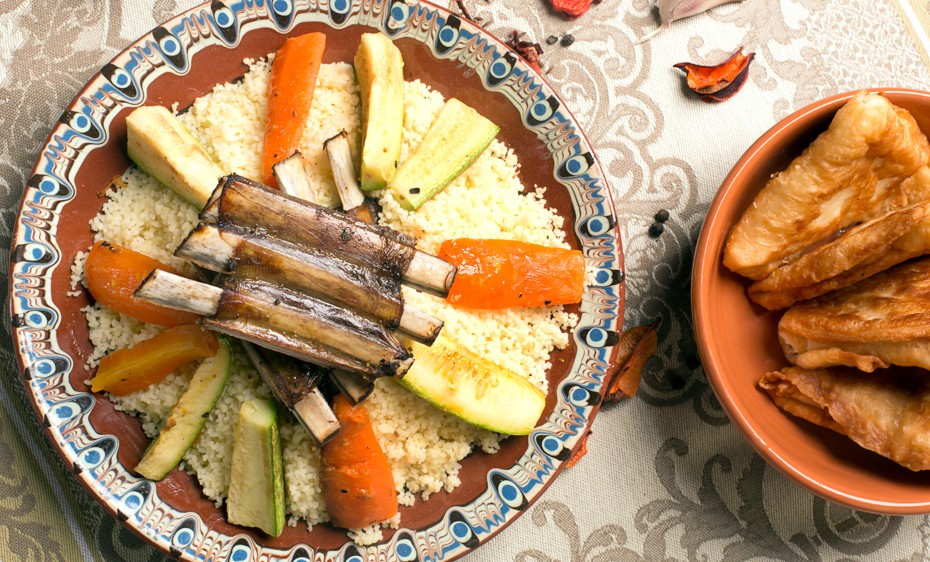
Food in Tunis: What to Eat & Drink
Tunis’s culinary landscape is a vibrant, aromatic, and historically rich expression of North Africa’s crossroads culture, where ancient Berber foundations, refined Arab-Andalusian traditions, Ottoman influences, and Mediterranean flavors converge to create a cuisine defined by bold spices, exceptional seafood, and masterful use of grains and legumes. As Tunisia’s coastal capital and cultural heart of the Maghreb, Tunis developed a food culture that is both deeply traditional and quietly cosmopolitan, shaped by the rhythms of the Mediterranean and the Sahara and expressed through generous, convivial hospitality. From the Gulf of Tunis to the city’s labyrinthine medina, Tunisian cuisine celebrates couscous, tajine, brik, harissa, and fresh-caught fish, balancing fiery heat with savory depth and fragrant subtlety. This is a city where food is everyday artistry, where ancient alleyways hide masterful pastry shops, and where every meal is an invitation to share in Tunisia’s legendary warmth.
Core ingredients such as semolina (for couscous and bread), olive oil, tomatoes, peppers, tuna, lamb, chickpeas, eggs, and spices—especially cumin, coriander, caraway, and harissa paste—form the foundation. Dishes are marked by complex, often spicy profiles, slow-cooked sauces, and contrasting textures, from fluffy couscous to shatteringly crisp fried pastries. Tunis’s geography provides access to rich fishing grounds and fertile plains, while its urban fabric blends whitewashed medina walls with French-colonial boulevards. From a tiny brik counter in the old city to a refined seafood restaurant in La Goulette, eating in Tunis is an immersion into the living soul of the Maghreb.
Local Specialties of Tunis
Tunis’s iconic dishes reflect its role as Tunisia’s culinary capital. Couscous is the national dish, traditionally served on Fridays and for celebrations. The Tunisian version is distinguished by a spicy, harissa-infused red broth (marka) and vegetables, chickpeas, and meat—often lamb, chicken, or fish.
Brik (or brick) is the city’s signature street food: paper-thin malsouka pastry folded around a whole egg, tuna, parsley, and capers, then fried until crisp, with a gloriously runny yolk. Tajine in Tunisia bears little resemblance to the Moroccan stew; it is a baked egg-and-meat custard, closer to a frittata or quiche. Lablabi is a beloved chickpea soup, often eaten for breakfast or late at night, flavored with cumin, garlic, and harissa, and topped with bread and a poached egg. Mechouia Salad is a smoky mix of grilled peppers and tomatoes dressed with olive oil, typically finished with tuna and eggs. Octopus Salad is a simple yet elegant seafood staple.
Sweet specialties are equally important. Makroudh are diamond-shaped semolina pastries filled with date paste or nuts, fried and soaked in honey. Kaak Warka and other intricate pastries, delicately scented with rose or orange blossom water, are medina treasures. Fricassé, a small fried bun stuffed with tuna, harissa, olives, and egg, is a popular everyday snack.
Everyday Tunis & Tunisian Food
Breakfast may be French-style with coffee and pastries, or distinctly local with a steaming bowl of lablabi. Lunch is the main meal of the day, often beginning with salads like mechouia or octopus, followed by couscous or tajine. Dinner is lighter, perhaps a sandwich or leftovers. The culture of the small neighborhood eatery, the street stall, and the pastry shop is central to daily life.
Meals are communal and unhurried. Bread replaces cutlery for scooping sauces, and harissa is always within reach. Service in local spots is friendly and informal, and sharing dishes is part of the experience. Eating in Tunis follows a Mediterranean rhythm—unrushed, social, and deeply rooted in tradition.
Cultural Layers: Berber Roots, Arab-Andalusian Refinement, Ottoman & French Influence
Tunisian cuisine rests on Berber foundations of grains, legumes, and olive oil. Arab and Andalusian influences introduced refined spice blends, sweet-savory contrasts, and elaborate pastries. Ottoman rule added kebabs, coffee culture, and new dessert traditions.
The French Protectorate left a lasting mark through café culture, baguettes, and patisserie techniques. The result is a Tunis table where Berber couscous, Arab stews, Ottoman grills, and French-style pastries coexist, unified by Tunisia’s distinctive love for olive oil and harissa.
Beverages and Local Drinks
Tunis has a strong café and tea culture. Café Turc (Turkish coffee) is thick, intense, and sometimes scented with orange blossom water. Mint tea is sweet, refreshing, and omnipresent.
Boukha, a fig-based brandy, is the traditional spirit. Tunisian wine, with ancient roots dating back to Carthage, is surprisingly good, particularly from nearby regions such as Grombalia. Celtia is the local light lager. Fresh juices—especially orange and pomegranate—are excellent. What defines Tunis is the ritual of strong coffee in a medina café, mint tea after a meal, and a glass of local rosé enjoyed with seafood by the sea.
International Dining and the Modern Scene
As Tunisia’s capital, Tunis offers a range of international dining, including French, Italian, Lebanese, and Asian restaurants, particularly in modern districts like Berges du Lac and upscale hotels.
Modern Tunisian or fusion cuisine remains a small but emerging niche. The heart of the city’s food culture, however, lies firmly in its medina eateries, street food counters, and family-run restaurants. For visitors, this provides a rare opportunity to experience one of the Mediterranean’s most distinctive cuisines in an authentic, living context.
Food Customs and Practical Tips
Dining etiquette is relaxed but respectful. Use your right hand when eating with bread, and try a bit of everything offered. Accept mint tea when it is offered. Tipping is appreciated but not required; rounding up is customary. Modest dress is recommended in the medina.
For an authentic experience, eat in the medina at busy local spots. Try brik à l’œuf from a specialist vendor. Have couscous on a Friday if possible. Visit the Central Market (Marché Central) to see seafood and produce at their freshest. Be cautious with harissa—it can be intensely spicy. Sample the pastries from renowned medina shops such as M’rabet or Ben Yedder.
Explore different areas: the Medina for traditional food and sweets; La Goulette for excellent seafood; Berges du Lac for upscale and international dining; and Avenue Habib Bourguiba for grand cafés. Try both a refined institution and a humble street stall. Tunis offers exceptional value and unforgettable flavor. Above all, embrace its culinary spirit: aromatic, spicy, deeply historical, and generously shared—a true taste of the Mediterranean’s southern shore.
This guide covers what to eat in Tunis, from couscous and brik to lablabi, mechouia, and classic Tunisian pastries. Use it to plan your culinary exploration of Tunisia’s captivating capital.
Check monthly weather averages for
Latest Secret Flying deals to Tunis
Non-stop from Geneva, Switzerland to Tunis, Tunisia for only €123 roundtrip
Non-stop flights from Geneva, Switzerland to Tunis, Tunisia for only €123 roundtrip with Tunisair.
View DealNew York to Tunis, Tunisia for only $567 roundtrip
Cheap flights from New York to Tunis, Tunisia for only $567 roundtrip with Royal Air Maroc.
View DealBucharest, Romania to Tunis, Tunisia for only €166 roundtrip
Cheap flights from Bucharest, Romania to Tunis, Tunisia for only €166 roundtrip with Lufthansa.
View Deal [adblockingdetector id="638efa67113bf"]