


Vancouver Food Guide
Food in Vancouver: What to Eat & Drink
Vancouver’s culinary landscape is a pristine, Pacific Rim fusion of extraordinary natural bounty and global immigration, where Indigenous Coast Salish foodways, world-class local seafood, and deep Asian influences combine to create a cuisine defined by freshness, diversity, and spectacular settings. As a young coastal city framed by mountains and ocean, Vancouver developed a food culture that is health-conscious, ingredient-driven, and fiercely proud of local producers, shaped by a sustainability-minded ethos and a cosmopolitan appetite for new ideas. Influenced by its coastal rainforest geography, its long history as a gateway for Asian immigration, and a lifestyle oriented around the outdoors, Vancouver’s cuisine celebrates wild salmon, spot prawns, sushi, dim sum, farm-to-table produce, and craft beer, delivered with a casual sophistication that matches the city’s stunning yet relaxed character. This is a place where food reflects the environment, where refined dining coexists with exceptional everyday ethnic eats, and where many meals come with a view of sea, skyline, or forested peaks.
Core ingredients like Pacific seafood (salmon, halibut, spot prawns, Dungeness crab), local organic produce, Asian staples (rice, noodles, soy, sesame), high-quality beef, and foraged mushrooms and berries form the foundation. Dishes are characterized by clean, vibrant flavors, a preference for raw or simply prepared seafood, and creative West Coast–Asian fusion that feels natural rather than forced. Vancouver’s geography offers an exceptional larder drawn from ocean, river, farm, and forest. Its identity is one of glass-and-steel modernity set against wild nature, where a downtown sushi bar can be minutes from rainforest trails. From a no-frills dim sum palace in Richmond to a coastal shack serving fish and chips on the waterfront, eating in Vancouver is a delicious tour through land, sea, and a remarkable concentration of culinary talent.
Local Specialties of Vancouver
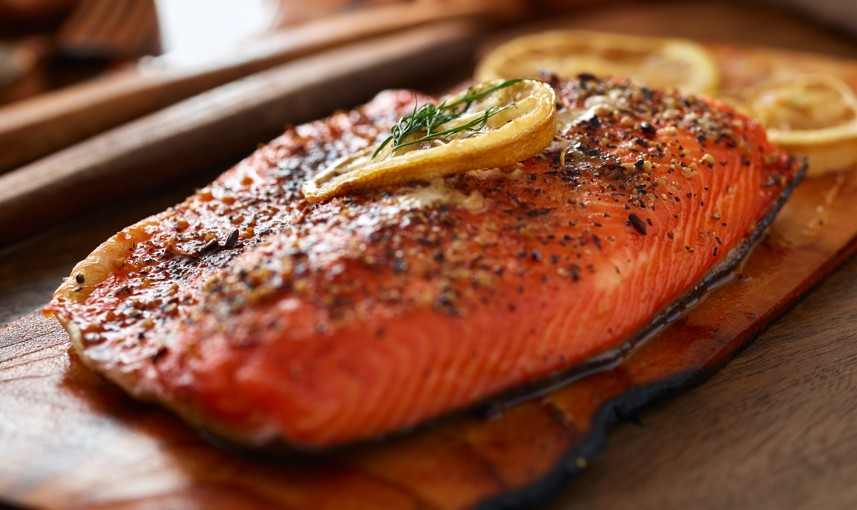
Vancouver’s signature foods highlight its coastal resources and multicultural confidence. Pacific Northwest seafood is the city’s crown jewel: wild British Columbia salmon (especially sockeye), simply grilled or cedar-planked; sweet Dungeness crab; and the short, celebrated spring season of spot prawns, treated with near-reverence by chefs and home cooks alike. Japadog is the city’s well-known fusion street food: a hot dog topped with Japanese ingredients such as teriyaki sauce, nori, and Japanese mayo—an edible symbol of Vancouver’s East-meets-West spirit.
BC Roll is a Vancouver-origin sushi roll featuring barbecued salmon skin and cucumber, sometimes finished with roe. West Coast oysters from regional beds are often served pristine on the half-shell. Authentic Chinese cuisine, especially dim sum and Hong Kong–style cafés, reaches a level of quality that can feel startling for visitors, particularly in Richmond. Nanaimo bars (originally from Vancouver Island) are a beloved layered, no-bake Canadian dessert that is omnipresent in cafés and bakeries. Increasingly, Indigenous-inspired menus and dishes highlight regional ingredients such as salmon, game, berries, and bannock, reflecting a broader shift toward visibility and respect for local food heritage.
Everyday Vancouver & West Coast Food
Breakfast might be a carefully made espresso and pastry from an independent café, avocado toast, or congee from a neighborhood Chinese spot. Lunch is often quick and fresh—sushi, ramen, pho, poke, or a salad built around seasonal produce. Dinner ranges from casual noodle houses and izakayas to celebratory seafood feasts. The culture of the food truck, the neighborhood sushi joint, the bustling Asian food court, and the farmers’ market is central to daily eating.
Dining is generally casual, active, and closely tied to outdoor rhythms. The idea of “local first” matters: seasonal produce, sustainable seafood, and transparent sourcing carry real weight. Service is friendly, sometimes reserved in a distinctly West Coast way. Summer brings patios and waterfront dining; winter emphasizes cozy rooms, wood-fired cooking, and comfort. Coffee culture is serious, with third-wave roasters and cafés that function as community hubs and workspaces.
Cultural Fusion: Coast Salish Stewardship, Asian Immigration & West Coast Innovation
Vancouver’s food story begins with Coast Salish peoples, whose sophisticated stewardship of salmon, shellfish, and regional plants shaped the area’s edible landscape for millennia. European settlement introduced dairy and farming traditions, but the defining transformation came through immigration—particularly from China, Hong Kong, Japan, Vietnam, India, Korea, and beyond—making Asian cuisines foundational rather than peripheral in the city’s everyday diet.
Filtered through Vancouver’s sustainability and health orientation, this produced a recognizable West Coast cuisine: a flexible, modern style that prioritizes local, seasonal ingredients and often incorporates Asian flavors and techniques. The result is a Vancouver table where ancient smoked salmon traditions, excellent Cantonese dim sum, inventive Japanese fusion, and contemporary farm-to-table plates coexist with remarkable ease.
Craft Beverage Scene and Local Libations
Vancouver’s beverage scene is broad, polished, and deeply local. Craft beer is central, with a high density of breweries—particularly in East Vancouver—and an easy day-trip culture to nearby clusters like Port Moody’s “Brewery Row.”
Craft cider built on British Columbia apples is booming. BC wine, especially from the Okanagan Valley, plays a major role on restaurant lists, with strong showings in Pinot Noir, Chardonnay, and aromatic whites. Craft cocktails thrive in sleek bars, often using local spirits and seasonal ingredients. Coffee is almost a civic obsession, and bubble tea and matcha are mainstream staples rather than niche trends. What defines Vancouver is the ease of pairing a pristine local white wine with salmon, spending an afternoon moving between breweries, and treating coffee with the seriousness other cities reserve for wine.
International Dining and the Contemporary Scene
International dining effectively is Vancouver’s dining scene. The city is widely celebrated for exceptional Asian food—Chinese (Cantonese and regional specialties), Japanese (sushi, ramen, izakaya), Vietnamese, Indian, Korean, and more—spread across Vancouver proper and especially concentrated in Richmond.
At the high end, modern West Coast or “New Canadian” cuisine dominates, with chefs producing seasonal, visually refined menus that showcase Pacific ingredients and sustainability. Yet the soul of everyday eating remains in the city’s outstanding neighborhood restaurants, casual sushi counters, and food markets such as Granville Island Public Market. For visitors, Vancouver’s appeal is the rare combination of Pacific Northwest terroir and a depth of authentic global cuisine that rewards exploration well beyond the downtown core.
Food Customs and Practical Tips
Dining is relaxed; even fine dining rarely requires formal attire. Tipping is standard (typically 15–20%). Reservations are strongly recommended for popular restaurants, especially on weekends and in peak summer. Sharing plates is common, particularly at Asian restaurants and izakayas. The city’s polite reserve can read as quietness rather than warmth, but service is generally professional and respectful.
For the quintessential experience, prioritize sushi—the quality-to-price ratio can be exceptional. Go for dim sum in Richmond, ideally on a weekend morning for peak atmosphere. Visit Granville Island Public Market for local goods and prepared foods. Eat seafood by the water along False Creek or the seawall, and carve out time to explore craft breweries in East Vancouver or nearby Port Moody. Do not limit yourself to downtown; some of the city’s most compelling food is found in neighborhoods and suburban pockets.
Explore by area: Downtown & Yaletown for upscale dining and polished rooms; Gastown for cocktails and heritage spaces; Main Street & Mount Pleasant for cafés, breweries, and trend-forward cooking; Richmond for an unmatched Chinese food scene; and Commercial Drive for eclectic, community-driven dining. Try both a well-known institution and a smaller neighborhood favorite. Expect higher prices in central districts and for premium seafood, but strong value in ethnic enclaves and casual spots. Above all, embrace Vancouver’s culinary spirit: fresh, diverse, and deeply tied to the Pacific—an energetic celebration of place and immigration on one beautiful plate.
This guide covers what to eat in Vancouver, from wild salmon and spot prawns to Japadog, dim sum, and West Coast classics. Use it to plan your culinary exploration of Canada’s Pacific jewel.
Check monthly weather averages for
Latest Secret Flying deals to Vancouver
London, UK to Vancouver, Canada for only £408 roundtrip
Cheap flights from London, UK to Vancouver, Canada for only £408 roundtrip.
View DealNon-stop from Tokyo, Japan to Vancouver, Canada for only $478 USD roundtrip
Non-stop flights from Tokyo, Japan to Vancouver, Canada for only $478 USD roundtrip.
View DealNon-stop from Phoenix, Arizona to Vancouver, Canada for only $249 roundtrip
Non-stop flights from Phoenix, Arizona to Vancouver, Canada for only $249 roundtrip with Air Canada.
View Deal [adblockingdetector id="638efa67113bf"]