


Vanuatu Food Guide
Food in Vanuatu: What to Eat & Drink
Vanuatu’s culinary landscape is a vibrant, earthy, and deeply communal expression of Melanesian culture, where ancient subsistence traditions, the bounty of volcanic soil and rich surrounding seas, and later colonial and modern influences converge to create a cuisine defined by fresh, natural flavors, mastery of earth-oven cooking, and a profound connection to kastom (custom) and community. As an archipelago of 83 islands spanning diverse ecosystems, Vanuatu developed a food culture that is both remarkably self-sufficient and celebratory, governed by planting and harvest cycles, the rhythms of the ocean, and a strong ethic of sharing. Shaped by millennia of Lapita heritage, followed by European and Asian introductions, Ni-Vanuatu cuisine celebrates root crops, tropical fruits, fresh seafood, coconut, and wild greens, prepared with time-honored techniques that prioritize nourishment and togetherness. This is a nation where food is inseparable from social life and ceremony, where laplap is a national treasure, and where every meal offers an unfiltered taste of the South Pacific.
Core ingredients include root crops such as yam, taro, cassava (manioc), and kumala (sweet potato); coconut in all its forms (milk, cream, grated flesh, oil); fresh seafood (reef fish, lobster, crab, mangrove shellfish); tropical fruits like papaya, banana, pineapple, coconut, and grapefruit; leafy greens including island cabbage and bele; peanuts; and free-range pork and chicken. Dishes tend to be earthy, gently sweet, and umami-rich, with a reliance on slow-cooking in earth ovens (lovo or four) and a simplicity that allows the quality of local produce to shine. Vanuatu’s volcanic islands and surrounding coral reefs provide an exceptional natural larder. From a village nakamal serving kava at sunset to a waterfront grill preparing the day’s catch, eating in Vanuatu is a direct immersion into Melanesian life.
Local Specialties of Vanuatu
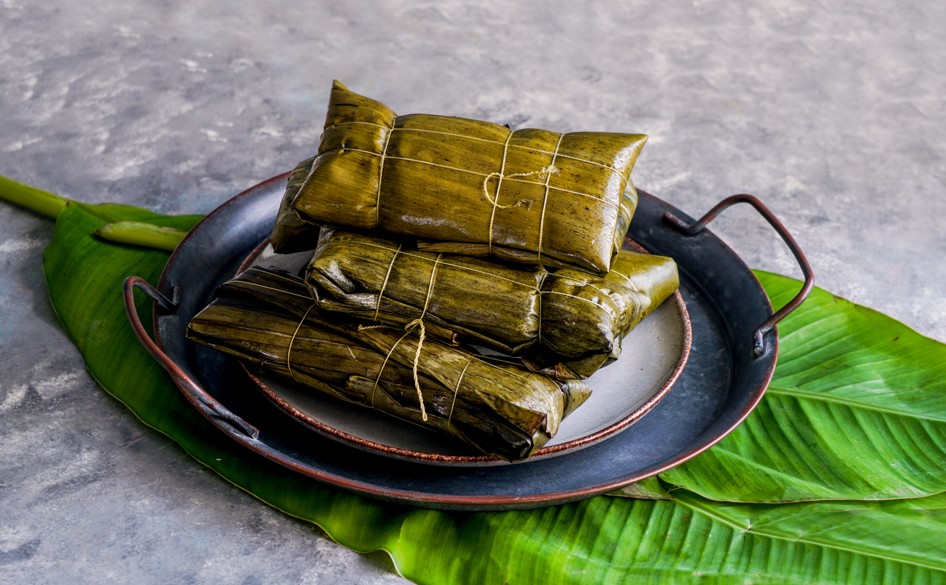
Vanuatu’s most iconic dishes revolve around the earth oven and the sea. Laplap is the national dish: a dense, savory pudding made from grated root vegetables (yam, taro, or cassava) mixed with coconut milk, sometimes enriched with pork, chicken, fish, or leafy greens, wrapped in banana leaves, and slow-cooked for hours in an earth oven. Tuluk is a prized variation of laplap with a meat filling at its center, often reserved for special occasions.
Fresh fish, grilled over coconut husks or simmered in coconut milk with greens, is a daily staple. Simboro (or palusami) consists of grated root crops wrapped around a filling—often fish or corned beef—then steamed with coconut milk and greens. Poulet Fish is a beloved local dish of fish (commonly garfish) cooked in a fragrant sauce of tomatoes, onions, garlic, and soy sauce.
Bele (fern) salad features tender edible fern leaves cooked simply, often with coconut milk. Namasu is a refreshing preparation of raw fish or seafood marinated in lime juice and coconut milk. Kava is the essential ceremonial and social drink, made from the ground root of the kava plant (Piper methysticum), valued for its calming, mildly sedative effects. Drinking kava in a nakamal is a central cultural experience. Tusker Beer is the popular local lager, while fresh tropical fruit and coconut water are everyday refreshments.
Everyday Vanuatu & Melanesian Food
Daily meals are simple and dictated by availability: boiled or roasted root crops, fish, and green vegetables cooked with coconut. Breakfast may consist of fruit, bread, or leftover laplap. Lunch and dinner are the main meals, with the largest often eaten around midday.
The culture of the market (notably in Port Vila and Luganville), the nakamal (kava bar), the local kai bar (simple eatery), and the communal lovo feast is central. Eating is family-oriented and shared, often from common plates. Life moves slowly, and meals are unhurried. The phrase “fres blong aelan” (fresh from the island) signals quality, pride, and authenticity.
Cultural Foundations and Culinary Exchange
Vanuatu’s cuisine is rooted in ancient Melanesian foodways introduced by the Lapita people, centered on root crops and earth-oven cooking that dates back thousands of years. European contact—particularly under British and French colonial rule—introduced cattle, citrus, tomatoes, and preserved foods such as corned beef.
Asian influence added rice, soy sauce, and new flavor profiles, resulting in hybrid dishes like Poulet Fish. The result is a cuisine where ancient laplap, colonial-era simboro, and modern soy-inflected stews coexist seamlessly, reflecting adaptation without loss of identity.
Drinks and Local Libations
Two drinks define Vanuatu’s beverage culture. Kava is the non-alcoholic cultural cornerstone, consumed at dusk in village nakamals and town-based kava bars, emphasizing calm conversation and reflection.
Tusker Beer is the national lager and the most popular alcoholic drink. Kava Cola is a unique local soft drink with subtle kava notes. Fresh coconut water is ubiquitous. Coffee grown on islands such as Tanna can be excellent, and fresh island fruit juices—especially citrus—are outstanding. What sets Vanuatu apart is the daily ritual of sharing a shell of kava as the sun sets, followed by a cold beer among friends.
International Dining and the Contemporary Scene
In Port Vila, and to a lesser extent Luganville, visitors will find a solid range of international restaurants, including French, Italian, Chinese, Japanese, and Australian-style cafés, particularly along the waterfront and in resort areas.
Modern presentations of local cuisine appear mainly in resorts, where chefs may reinterpret laplap or showcase Ni-Vanuatu ingredients in European formats. However, the heart of Vanuatu’s food culture remains in village kitchens, market stalls, and communal feasts. Dining here is less about refinement and more about authenticity, locality, and shared experience.
Food Customs and Practical Tips
Dining is informal and communal. Tipping is not traditional but appreciated in tourist-oriented restaurants. When invited to a village meal, it is polite to sample a little of everything. Always ask permission before photographing food or people in village settings.
For an authentic experience, attend a traditional lovo feast, often organized by hotels or cultural tours. Visit the Port Vila Market early in the morning to see the extraordinary range of local produce and seafood. Go to a local nakamal to drink kava respectfully. Try laplap from a market stall or local eatery—it is the definitive taste of Vanuatu. Do not expect spicy food; traditional Ni-Vanuatu cooking is mild, with chili usually offered separately.
Explore different areas: Port Vila for markets, international dining, and waterfront restaurants; outer islands such as Tanna, Espiritu Santo, and Pentecost for the most traditional village food; and local kai bars for inexpensive plates of rice, fish, and stew. Balance a resort lovo night with simple market meals. Be prepared for starchy, straightforward food in rural areas. Vanuatu offers good value at local eateries, while tourist restaurants are pricier. Above all, embrace Vanuatu’s culinary spirit: communal, grounded in land and sea, respectful of kastom, and proudly self-reliant—a true expression of Melanesian hospitality.
This guide covers what to eat in Vanuatu, from laplap and tuluk to kava, poulet fish, and Ni-Vanuatu classics. Use it to plan your culinary journey to the heart of the South Pacific.
Check monthly weather averages for
Latest Secret Flying deals to Vanuatu
Non-stop from Brisbane, Australia to Vanuatu for only $488 AUD roundtrip
Non-stop flights from Brisbane, Australia to Vanuatu for only $488 AUD roundtrip with Virgin Australia.
View DealMelbourne, Australia to Vanuatu for only $591 AUD roundtrip (Jan-Mar dates)
Cheap flights from Melbourne, Australia to Vanuatu for only $591 AUD roundtrip with Fiji Airways.
View DealNon-stop from Auckland, New Zealand to Vanuatu for only $578 NZD roundtrip (Aug-Dec dates)
Non-stop flights from Auckland, New Zealand to Vanuatu for only $578 NZD roundtrip.
View Deal [adblockingdetector id="638efa67113bf"]