


Venice Food Guide
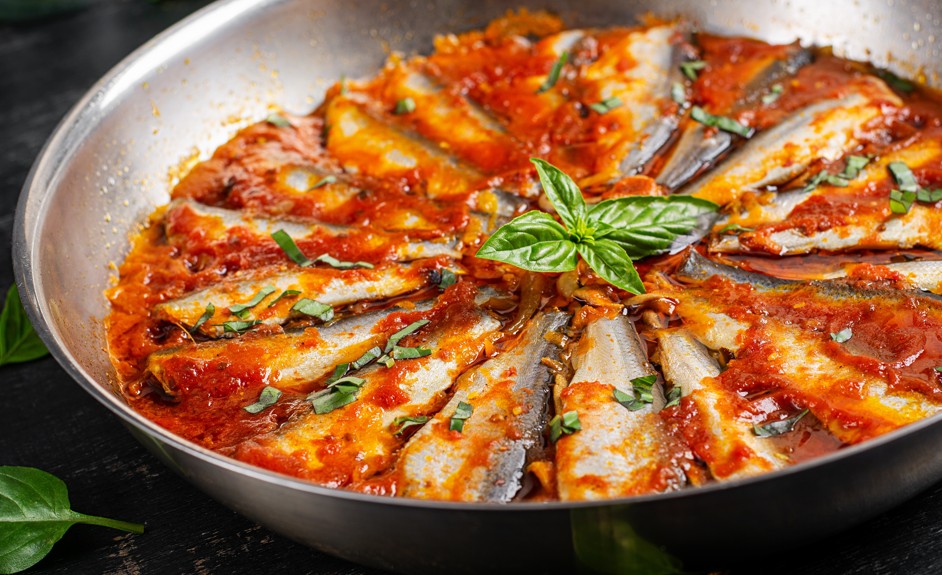
Food in Venice: What to Eat & Drink
Venice’s culinary landscape is a delicate, lagoon-born expression of a city built on water, where maritime ingenuity, centuries of trade, and a fiercely local identity converge to create a cuisine defined by subtle flavors, seasonal seafood, and a deep connection to its unique brackish environment. As the Serenissima Republic for more than a millennium, Venice developed a food culture that is both cosmopolitan and resolutely traditional, shaped by the rhythms of the lagoon, the daily offerings of the Rialto Market, and a social life centered around wine bars and canals. Influenced by its role as a global trading power that introduced spices, sugar, and exotic ingredients to Europe, Venetian cuisine celebrates fish, mollusks, rice, polenta, and winter vegetables, prepared with restraint and precision. This is a city where food tells a story of trade and survival, where cicchetti are a way of life, and where every meal reflects the delicate balance between sea and mainland.
Core ingredients include lagoon seafood such as soft-shell crabs (moeche), goby (ghiozzo), cuttlefish (seppia), and sardines (sarde); rice from the Veneto plain; polenta (yellow cornmeal); beans; seasonal vegetables like radicchio, pumpkin, and artichokes; onions, garlic, olive oil, parsley, raisins, pine nuts, and warm spices such as cinnamon and cloves, a legacy of the spice trade. Dishes are often defined by gentle sweet-and-sour (agrodolce) notes, careful handling of seafood, and an emphasis on freshness over richness. Venice’s saltwater lagoon created a cuisine distinct from the meat-heavy mainland, resulting in food that is lighter, nuanced, and unmistakably Venetian. From a standing-only bacaro hidden in a back alley to a refined canal-side restaurant, eating in Venice is a subtle immersion into the soul of a maritime republic.
Local Specialties of Venice
Venice’s signature dishes are deeply tied to the lagoon and the Rialto Market. Sarde in Saor is the quintessential Venetian preparation: fried sardines marinated in a sweet-and-sour mixture of onions, vinegar, raisins, and pine nuts, originally designed to preserve fish and infused with flavors of the spice trade. Risi e Bisi is a creamy rice-and-pea dish, halfway between soup and risotto, traditionally served on St. Mark’s Day.
Risotto al Nero di Seppia is a striking black risotto flavored with cuttlefish ink. Bigoli in Salsa features thick whole-wheat pasta dressed with a slow-cooked sauce of anchovies and onions. Fegato alla Veneziana, calf’s liver gently sautéed with sweet onions, reflects centuries of Austrian influence. Moeche, prized soft-shell crabs available only briefly each year, are typically fried and served whole. Baccalà Mantecato is a silky whipped salt cod spread, served on polenta or bread as a classic cicchetto. Polenta e Schie pairs creamy polenta with tiny gray lagoon shrimp.
Cicchetti are the backbone of Venetian social life: small bites such as baccalà mantecato, fried olives, or meatballs, eaten with a glass of wine at a bacaro. Spritz (made with Aperol, Campari, or the local Venetian bitter Select) is the iconic aperitivo. Prosecco from nearby hills is the everyday sparkling wine. An ombra is a small glass of wine, traditionally enjoyed standing at the bar. Baicoli are dry, twice-baked biscuits for dipping, while fritole are sweet fried doughnuts eaten during Carnival.
Everyday Venice & Veneto Food
Breakfast is typically a quick espresso and pastry at a bar. Lunch may be a light plate of cicchetti or a simple seated meal, while the aperitivo from early evening is a near-sacred ritual centered on spritz and small bites. Dinner is usually served later, from around 7:30 or 8 p.m.
The culture of the bacaro (traditional wine bar), osteria (simple tavern), trattoria, and the Rialto Market defines daily eating. Meals often follow what is di giornata, based on the day’s catch. Eating is social and mobile, with locals moving from one bacaro to the next in a giro di ombre. Service is efficient and informal, especially at bars. Local white wines from Veneto and Friuli, light reds such as Bardolino, and prosecco accompany most meals.
Cultural Layers and Culinary Heritage
Venetian cuisine is rooted in the simple fare of lagoon fishermen, but centuries of mercantile wealth transformed it through access to spices, dried fruits, and sugar, creating the signature agrodolce balance of sweet and sour. Later Austrian rule left its mark on dishes such as liver and onions and on café culture.
The result is a layered culinary identity where humble lagoon seafood, opulent merchant flavors, and hearty tavern fare coexist. Venetian food remains deeply tied to place, reflecting a city that adapted its cuisine to water, trade, and survival.
Drinks and Local Libations
Venice’s beverage culture is social and wine-focused. The spritz, particularly with Select, dominates the aperitivo hour. Prosecco is consumed throughout the day, while crisp whites from Veneto and Friuli and light reds like Valpolicella are common at meals.
An ombra remains a beloved tradition, while grappa is the classic digestivo. Espresso is drunk standing at the bar. The Bellini, a blend of prosecco and white peach purée, was invented in Venice. What defines Venice is the ritual of moving from bacaro to bacaro, glass in hand, sampling cicchetti as the city shifts from day to night.
International Dining and the Contemporary Scene
As one of the world’s most visited cities, Venice has many restaurants aimed at tourists, often with disappointing quality. Finding authentic Venetian food requires venturing away from the main sightseeing routes.
A small but notable modern Venetian movement exists, with chefs reinterpreting lagoon ingredients. Still, the soul of the city’s dining lies in historic bacari, family-run trattorias in neighborhoods like Cannaregio and Castello, and market-driven osterias. Dining in Venice is less about innovation than preservation, offering a rare opportunity to experience a fragile, place-specific cuisine.
Food Customs and Practical Tips
Dress is smart-casual for most restaurants. Tipping is not obligatory, though rounding up for good service is appreciated. Avoid places with “tourist menus” or aggressive hawkers. Cicchetti are meant to be eaten standing at the bar; sitting incurs higher prices.
For an authentic experience, do a cicchetti crawl in Cannaregio or Dorsoduro in the late morning or early evening. Visit the Rialto Market in the morning (closed Sundays) to see the lagoon’s catch. Try sarde in saor and baccalà mantecato as essential classics. Avoid ordering fish on Mondays, when the market is closed.
Explore different areas: Cannaregio for local bacari and traditional eateries; Dorsoduro and San Polo for authentic trattorias near the Rialto; Castello for quieter, residential dining. Avoid eating near St. Mark’s Square. Expect higher prices and a coperto at seated restaurants. Venice rewards those who explore beyond the obvious. Above all, embrace its culinary spirit: maritime, social, historically layered, and fiercely local, offering an unforgettable taste of a city built on water.
This guide covers what to eat in Venice, from sarde in saor and cicchetti to risotto al nero di seppia and baccalà mantecato. Use it to plan your culinary journey through the Venetian lagoon.
Check monthly weather averages for
Latest Secret Flying deals to Venice
Seoul, South Korea to Venice, Italy for only $417 USD roundtrip
Cheap flights from Seoul, South Korea to Venice, Italy for only $417 USD roundtrip.
View DealVancouver, Canada to European cities from only $661 CAD roundtrip
Cheap flights from Vancouver, Canada to European cities from only $661 CAD roundtrip.
View DealBangkok, Thailand to Venice, Italy for only $511 USD roundtrip
Cheap flights from Bangkok, Thailand to Venice, Italy for only $511 USD roundtrip.
View Deal [adblockingdetector id="638efa67113bf"]